




SAN FRANCISCO — As inflation has risen, some businesses have flourished by selling more for less. But with its newest iPhone, Apple is taking the opposite approach and offering less for more.
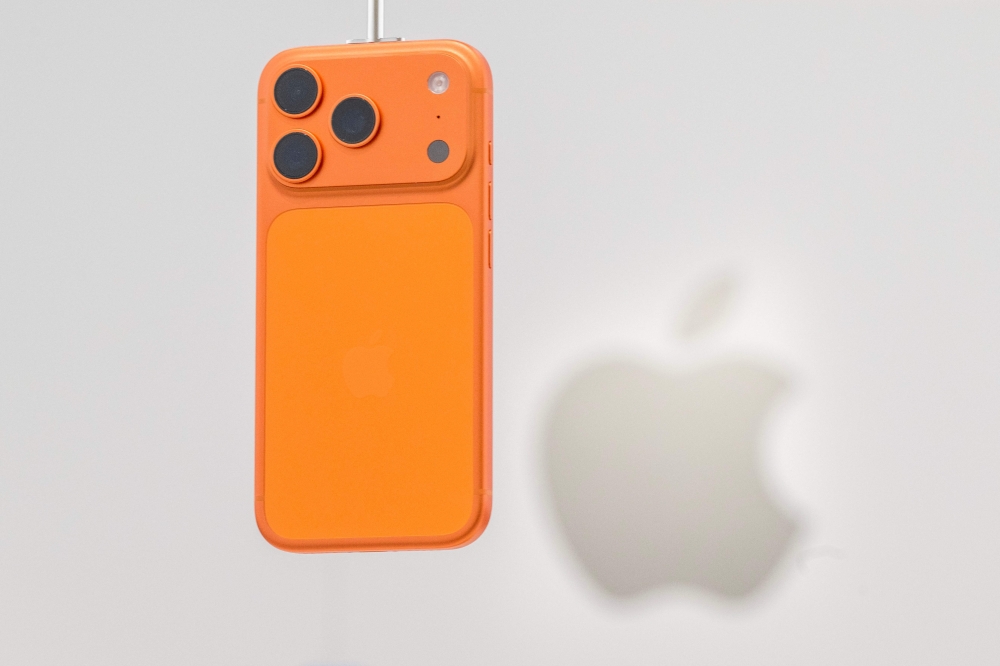
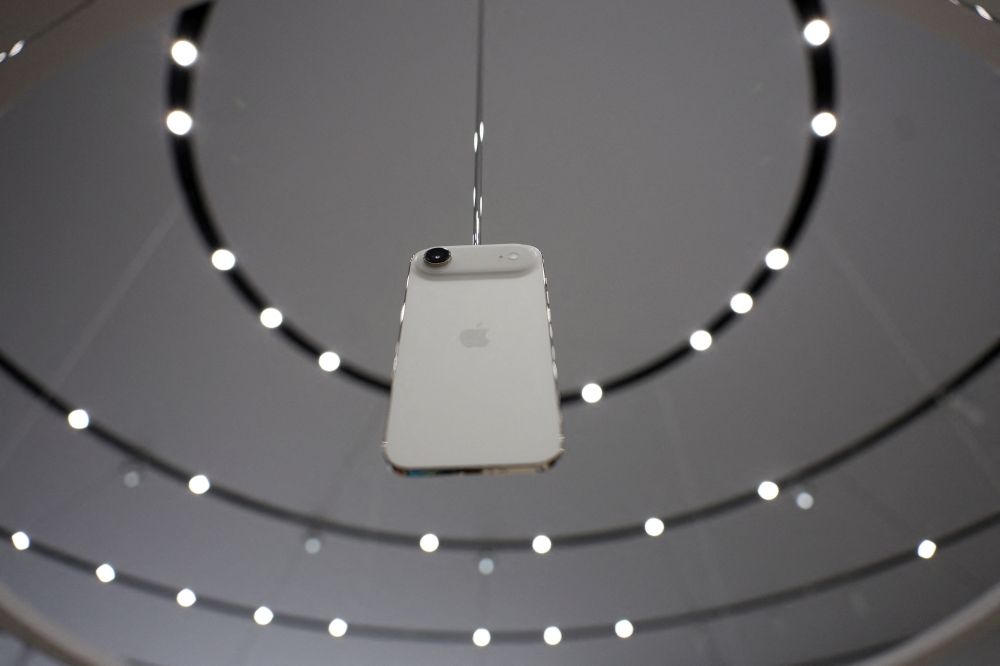
On Tuesday, the company unveiled a new iPhone that is thinner and smaller than previous models. The titanium-encased smartphone is 30% thinner than previous models, but it has fewer cameras and shorter battery life than its predecessors. It is called the iPhone Air and costs $999.
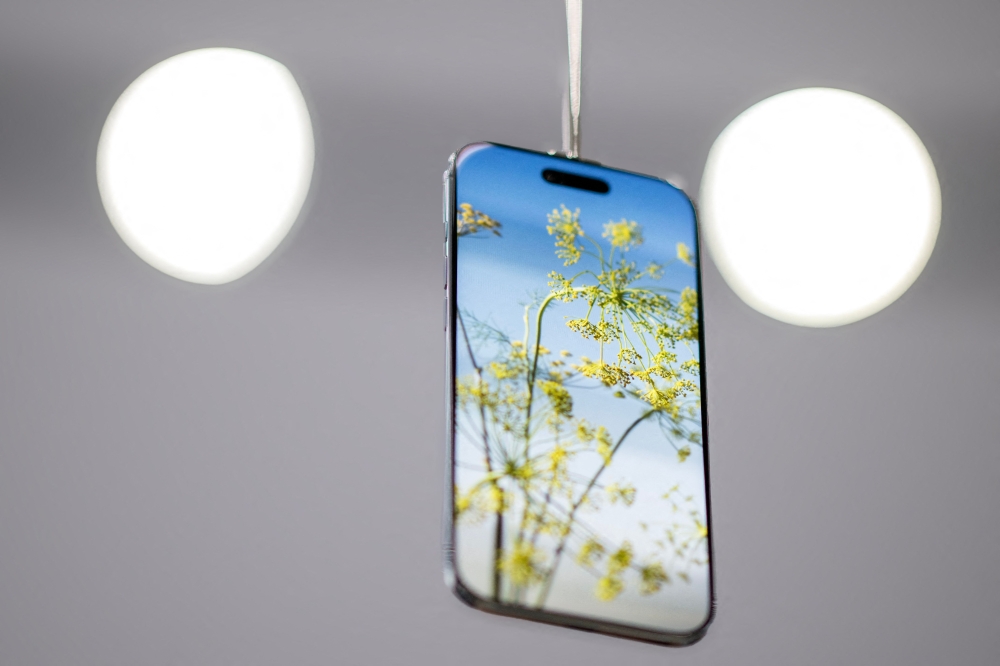
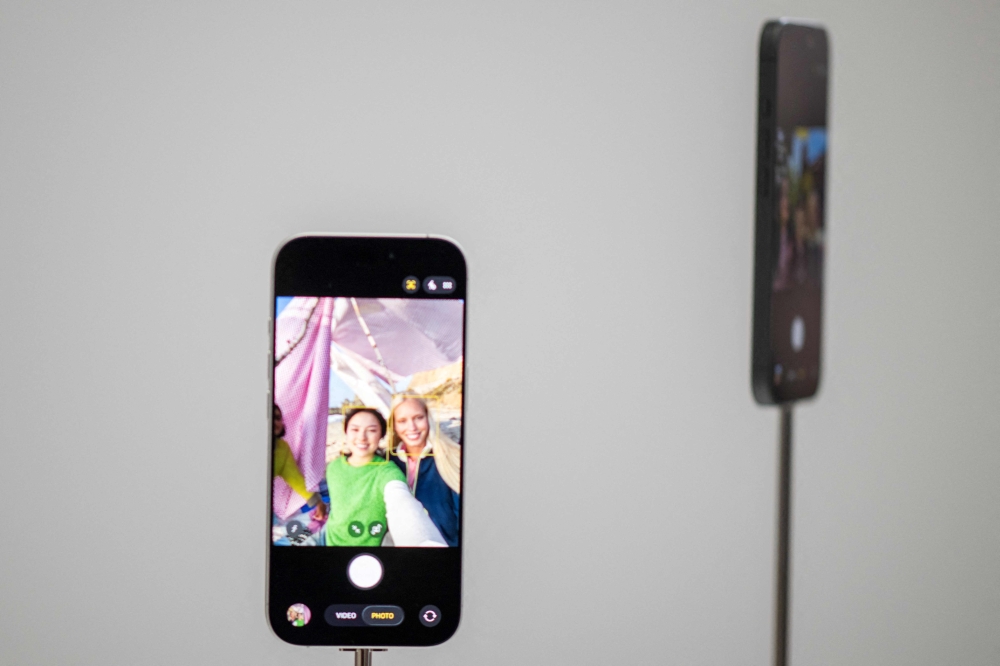
The single camera has a second telephoto lens and uses artificial intelligence to sharpen images, allowing it to offer the same photography features as previous models, Apple said. It also has software to conserve battery, so that it can offer all-day battery life.
“It’s a paradox you have to hold to believe,” said Abidur Chowdhury, an industrial designer who introduced the device during an hourlong product event from the company’s headquarters in Cupertino, California.
The device headlined an event that was punctuated by announcements of price increases for some of its most popular iPhones, with the cost of the Pro and Pro Max models rising by $100, to $1,099 and $1,199.
And in a move that increases profit margins with the iPhone 17 Pro for Apple, the company replaced the titanium material found on previous Pro phones with aluminum, a cheaper material. In a marketing video, Apple said it had to revert to aluminum because it redesigned the phone’s hardware.
Richard Kramer, a financial analyst with Arete Research, said Apple had begun increasing prices on its bestselling product to boost its total sales at a time when the number of iPhones it sells has plateaued. The company, which sells about 200 million iPhones annually, last did a major price increase on iPhones in 2017 and boosted sales by 18% the following year, even as it sold the same number of phones.
“These are like Manolo Blahnik shoes,” Kramer said of the new iPhone Air, likening it to the luxury footwear brand. He added: “It’s been a long time since people could whip out the phone at a party and people would say, ‘Wow. Cool.’ At least for a little while, the iPhone Air will be like that.”
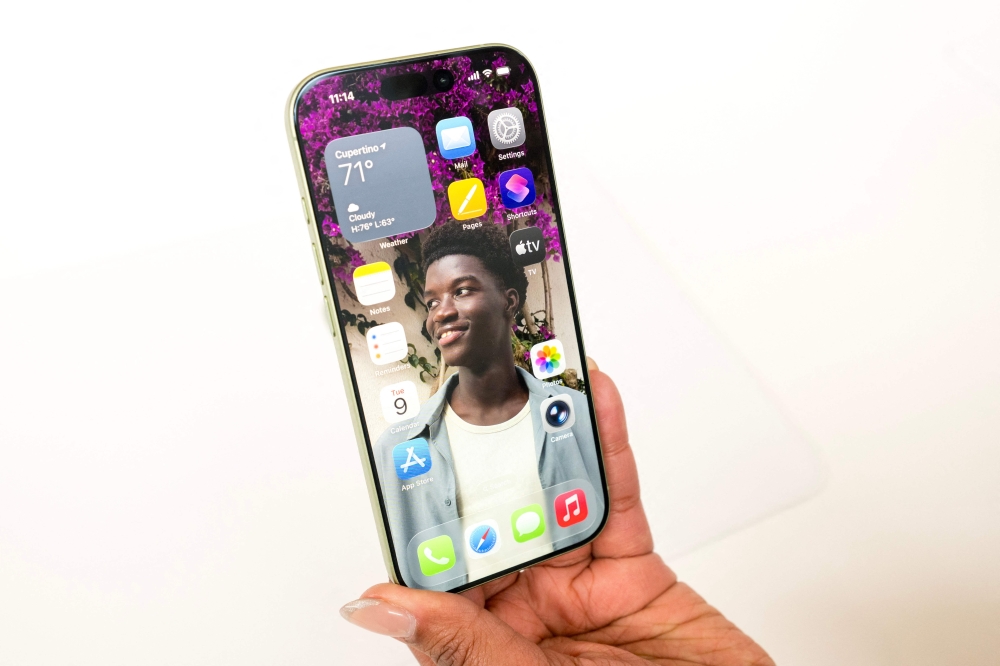
Making the iPhone thinner is Apple’s latest attempt to persuade consumers to upgrade to a new device. But the price increases could challenge those efforts. About 60% of Americans said in a survey conducted by WalletHub, a personal finance site, that higher phone prices driven by tariffs and inflation would make them hold on to their current devices for longer.
In the past few years, Apple has improved the design of its iPhones to make repairs and battery replacements simpler, which could drive some people toward maintaining their devices like they do with cars.
The product updates came during a turbulent year for Apple. In March, the company said it was postponing the promised release of some of its signature AI features because efforts to upgrade its Siri virtual assistant didn’t work as well as the company had expected. Its business was later upended by President Donald Trump’s tariffs on China, where it makes many of its products.
Tim Cook, Apple’s CEO, has responded to Trump’s tariffs by promising to increase the company’s investments in the United States. In August, he appeared alongside Trump at the White House and promised to spend $600 billion to bring more of the company’s supply chain to the country. He also presented Trump with a 24-karat gold gift and lavished him with praise.
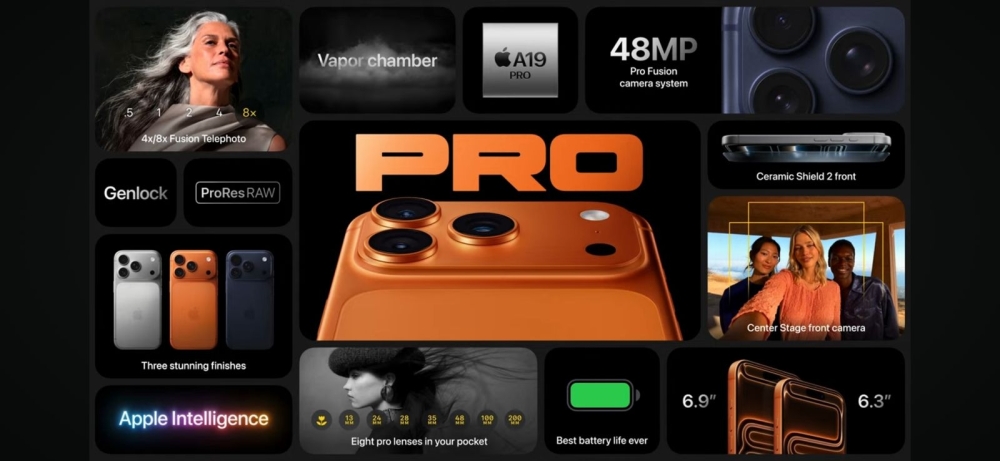
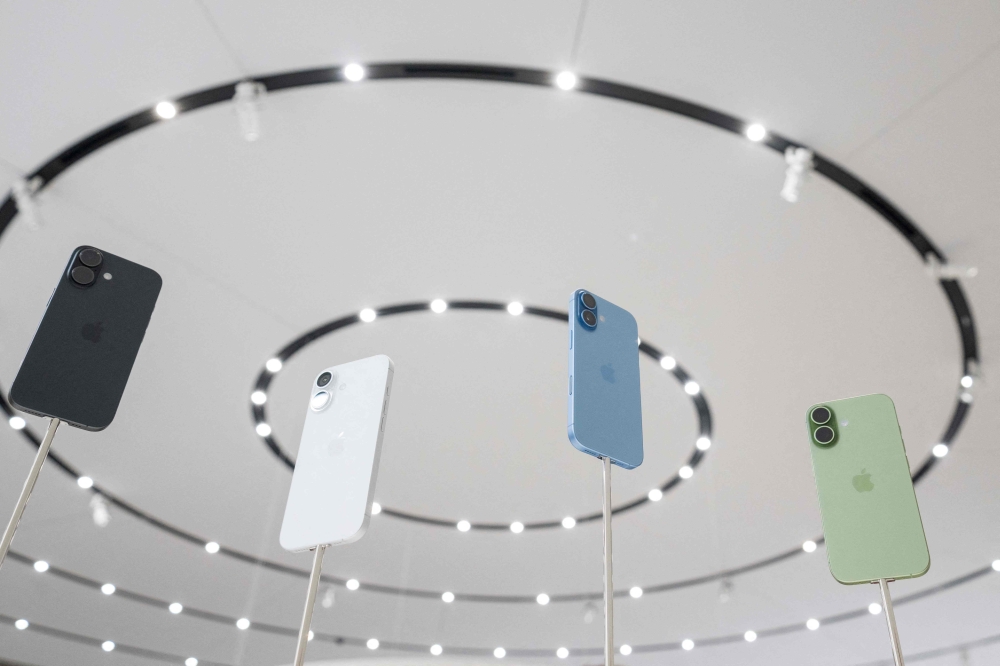
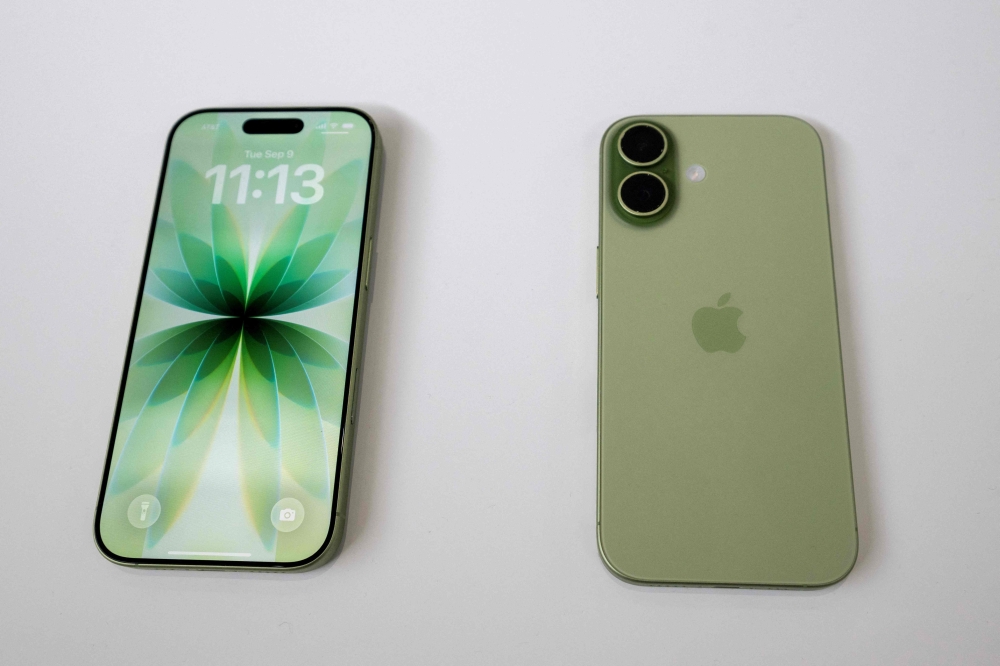
The company also unveiled updates to its traditional iPhone models. The iPhone 17 will feature an improved camera, better battery life and faster charging, while the iPhone 17 Pro, its high-end model, will feature a new design with a rectangular bump that holds the camera covering the width of the product.
Thomas Husson, a technology analyst at Forrester, a research firm, said Apple’s modest updates to iPhones underscored the urgent need for the company to catch up in AI after postponing its release of Siri.
“I am afraid that Apple’s incremental innovation approach with the iPhone 17 will start reaching its limits — especially for those who are hungry for more innovation,” Husson said in an emailed statement.
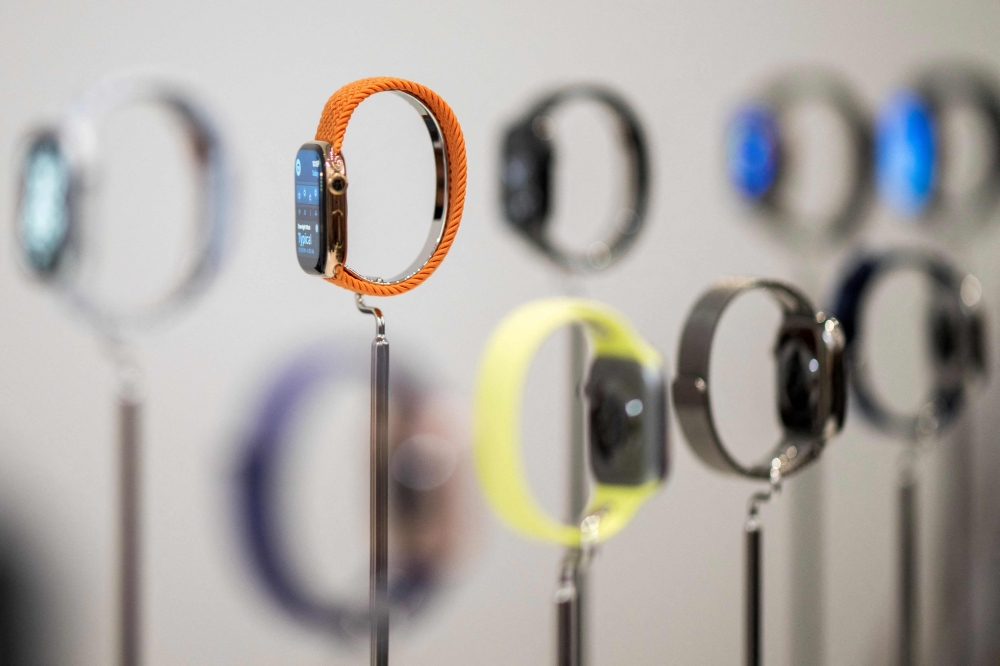
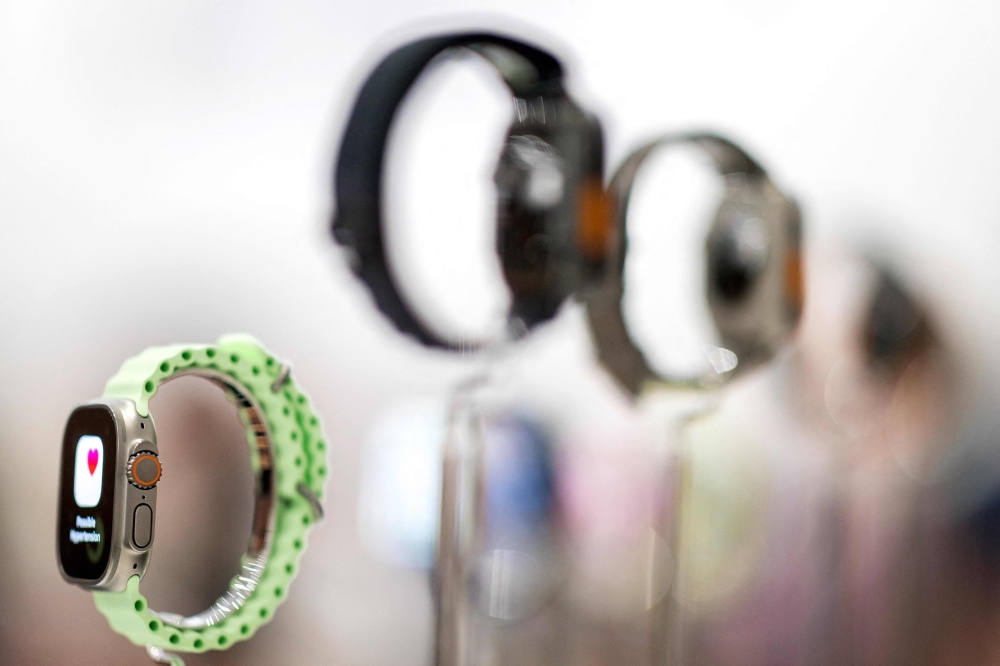
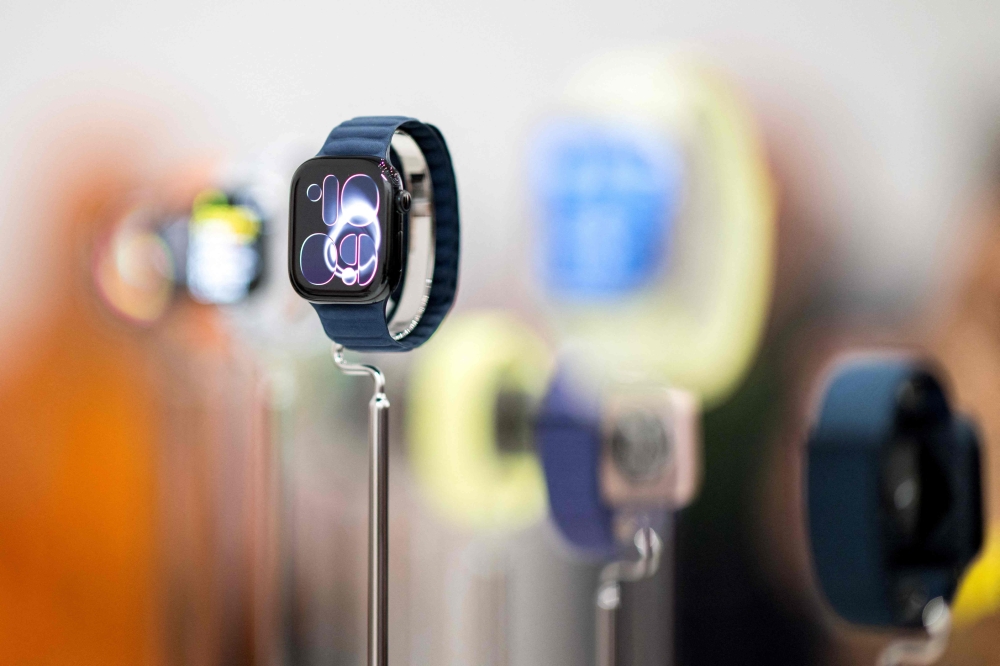
Apple also unveiled updates to its line of smartwatches. Its new Apple Watch Ultra, a model designed for endurance athletes and adventure sports enthusiasts, will feature a larger display, satellite connectivity and 42 hours of battery life. It costs $799.
The company said its Apple Watch Series 11 and SE 3 offer improved battery life and new software, including a software feature to help track sleep and provide users with a so-called sleep score based on their restfulness overnight.
One of Apple’s bestselling products over the past decades has been its AirPods. On Tuesday, the company sought to breathe new life into the product by updating the AirPods Pro with a new case design, AI and health features.
The company said the AirPods Pro would be able to do live translation of foreign languages in real time, turning the product into something similar to the earpieces worn during United Nations meetings. It also added a heart rate sensor to the device that will allow people to track their workouts, much as they would have in the past with an Apple Watch.
The company said it has improved the product’s audio performance and doubled its noise-canceling ability. It has also increased the number of earpieces to help improve the fit. The product will cost $249, the same price as previous models.
AirPods account for about $14 billion of Apple’s nearly $400 billion in annual sales. But most of the company’s sales volume comes from the lower-priced model rather than the AirPods Pro.
This article originally appeared in The New York Times.
Oman Observer is now on the WhatsApp channel. Click here