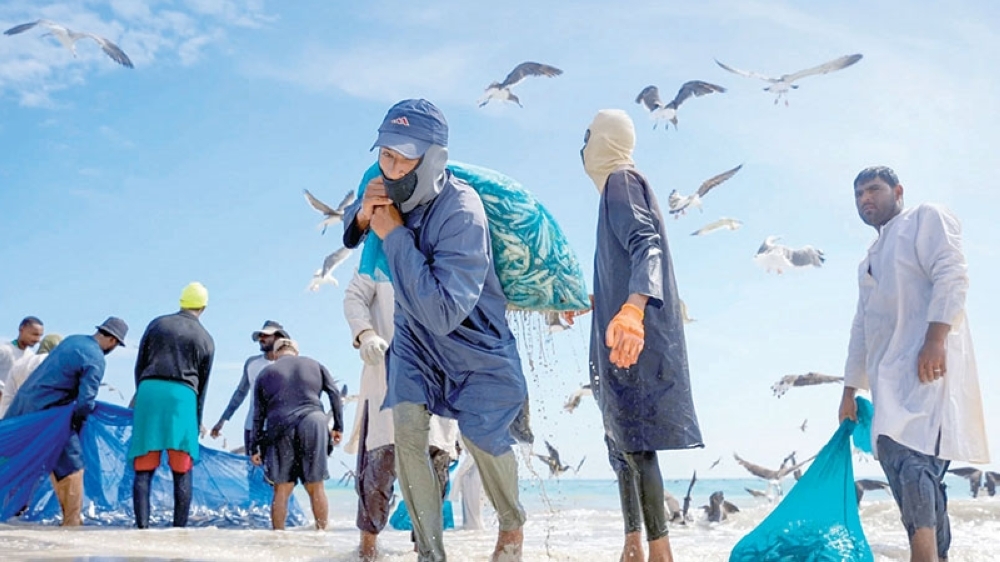





Every October in Dhofar, the sands and waves come alive with a centuries-old maritime tradition—the start of the Dhawaghi season, a celebrated period dedicated to sardine fishing. This annual event, rooted deep in local history, sees fishermen harnessing age-old techniques alongside modern innovations in pursuit of one of the region’s most vital resources.
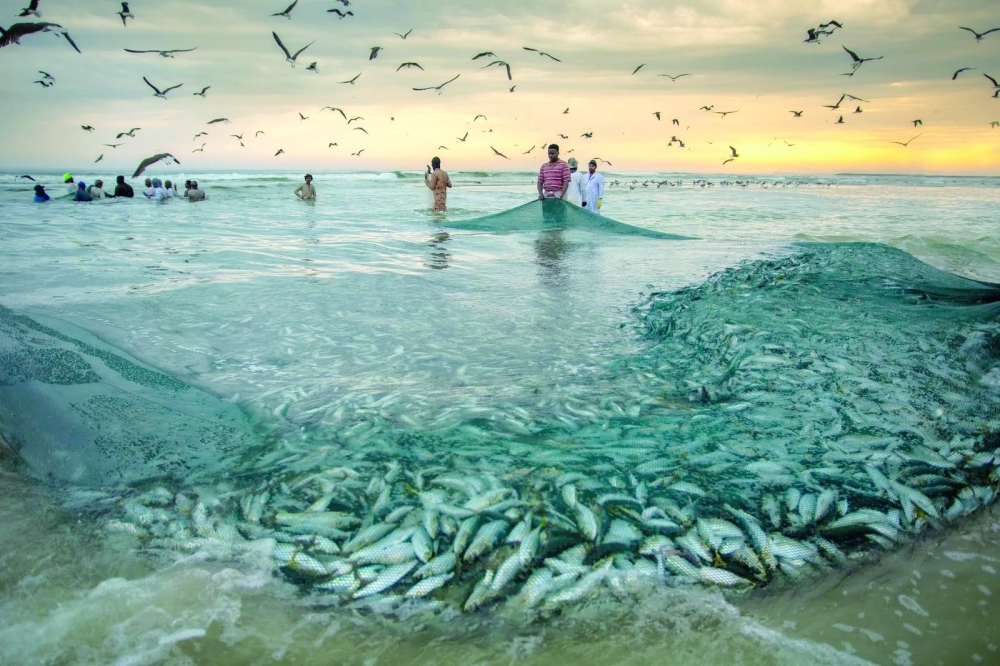
For generations, the Dhawaghi season has been a communal endeavour, with fishermen working in tightly knit groups led by a seasoned captain. These crews, often comprising 20 to 30 men, embark on a physically demanding journey that requires unwavering skill, patience, and calm precision. It’s a rhythm that has persisted since ancient times: locating sardine shoals, casting specialised nets called Jarif, hauling in the bounteous catch, and transporting it to drying sites where it’s either sold as animal feed or exported for oil extraction.
Captain Madin Bashir Al Barakah, in a local report, describes the process as both an art and a science. “Before the season begins, fishermen dedicate time to preparing their gear—mending nets, gathering tools, and organising everything needed. When the day arrives, at dawn, everyone gathers on the beach, waiting for my signal. From our boat, I track the sardine shoals and direct the crew to guide the fish into carefully prepared traps, ensuring a successful catch,” he explains.
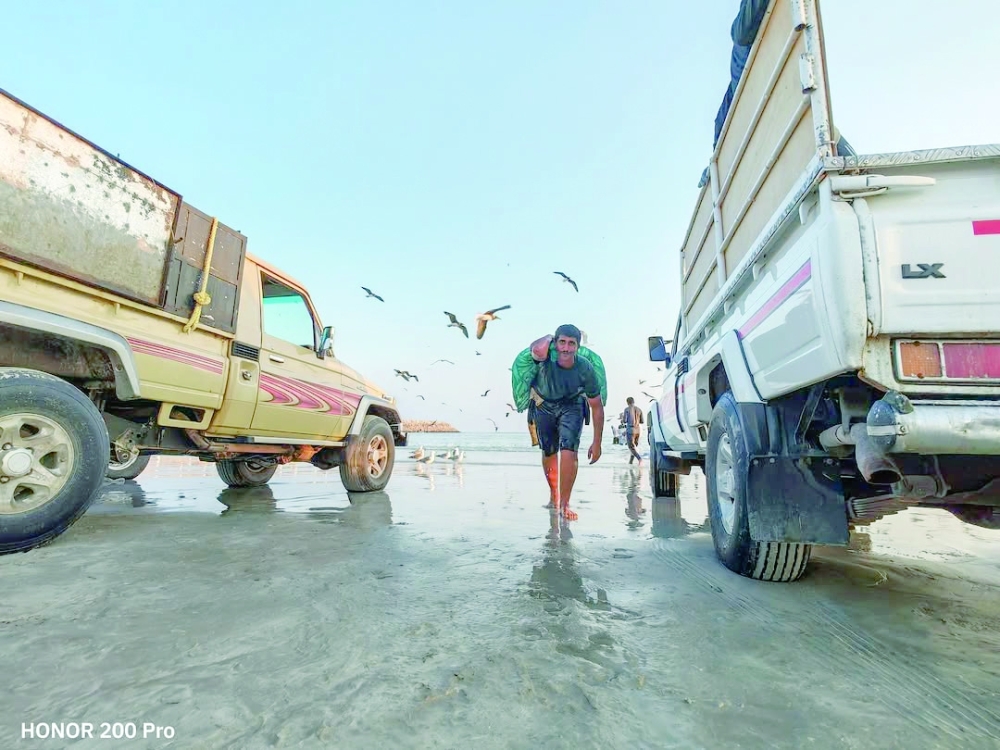
While the essence remains traditional, the methods have evolved remarkably over the years. Once, primitive boats with no engines, hand-rows, and simple ropes sufficed. Camels transported the freshly caught sardines ashore, showcasing labour-intensive methods that tested every ounce of strength. Today, sleek engine-powered boats and vehicles such as 4x4s have taken their place, making the process more efficient but still grounded in the community’s collective expertise.
Fisherman Waleed Al Balushi reflects on this transformation. “In the past, we used ropes called Saifiya to encircle the sardines—known as Awma—and boats called Sambuq, which we rowed ourselves. Nets were hauled ashore by camels. Now, cars and trucks pull the nets out of the water. Despite these changes, sardine yields can vary depending on the climate and environmental conditions,” he notes. “Last year was better, but this season remains beautiful and rewarding thanks to the hard work of everyone involved.” He emphasises that patience and perseverance are key, with hopes for richer catches in the seasons ahead.
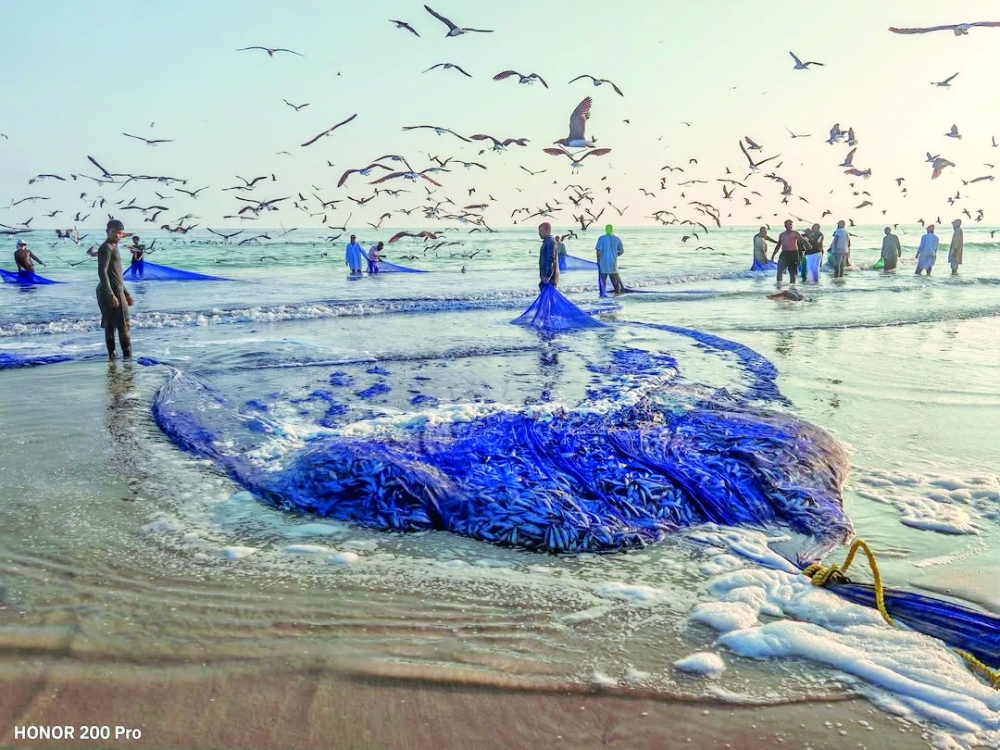
For the people of Dhofar, sardines are more than just a livelihood; they are a cornerstone of identity and community resilience. The season, stretching from October to April, is celebrated with pride, as fishermen’s efforts translate into vital economic stability for many families. The sea forms an enduring bond, a shared heritage that sustains generations.
Abdullah Ghuwas, head of fisheries resources at Dhofar’s Fisheries Department, highlights the importance of sustainable practices. “The fishing activities support not only local fishermen but also a host of related industries—transport, livestock feed, and export markets. Dhofar’s sardines are a key export commodity, strengthening the region’s position as a major fishing hub,” he explains.
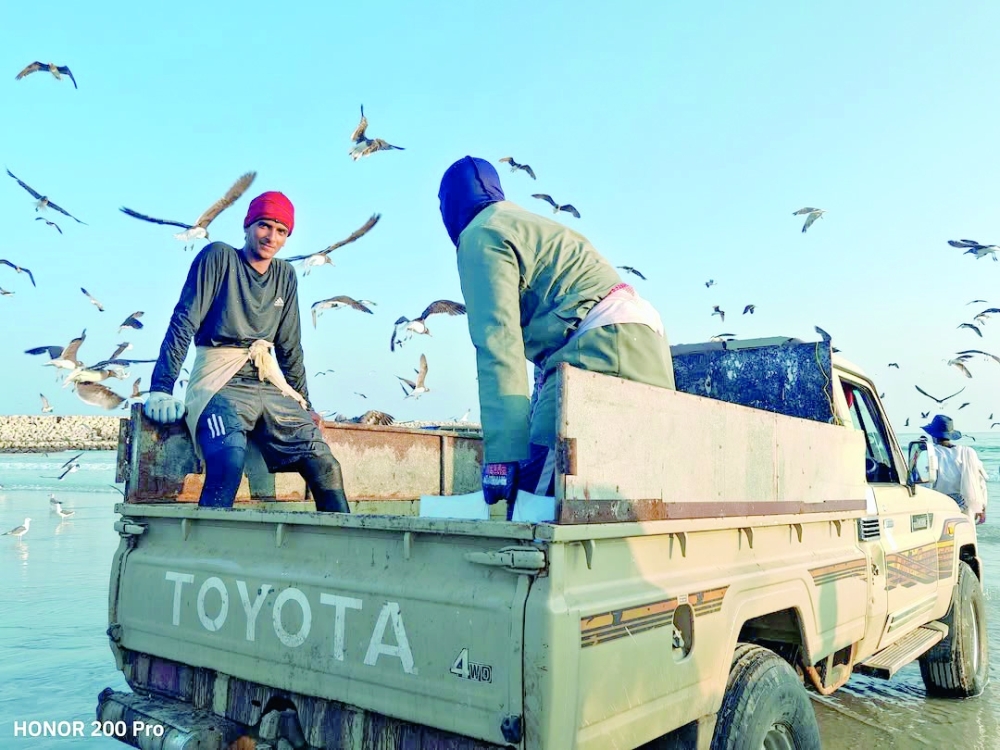
Captain Madin Al Barakah adds, “Sardines aren’t just food—they’re an economic pillar. Dried sardines provide protein for animal feed, act as natural fertilisers, and are processed into oils at Raysut’s industrial facilities. Our local factories rely on sardines for packaging and canning, which helps diversify the economy.”
Ensuring that this tradition endures sustainably is the responsibility of the Ministry of Agriculture, Fisheries, and Water Resources. Through regulation and education, it aims to protect this precious resource for future generations. Sardine net licences, known locally as Dhawaghi nets, are issued with careful oversight, respecting traditional norms and modern regulatory standards. By 2025, fishermen will be able to apply and renew their licences online via the Ministry’s Tharwat platform.
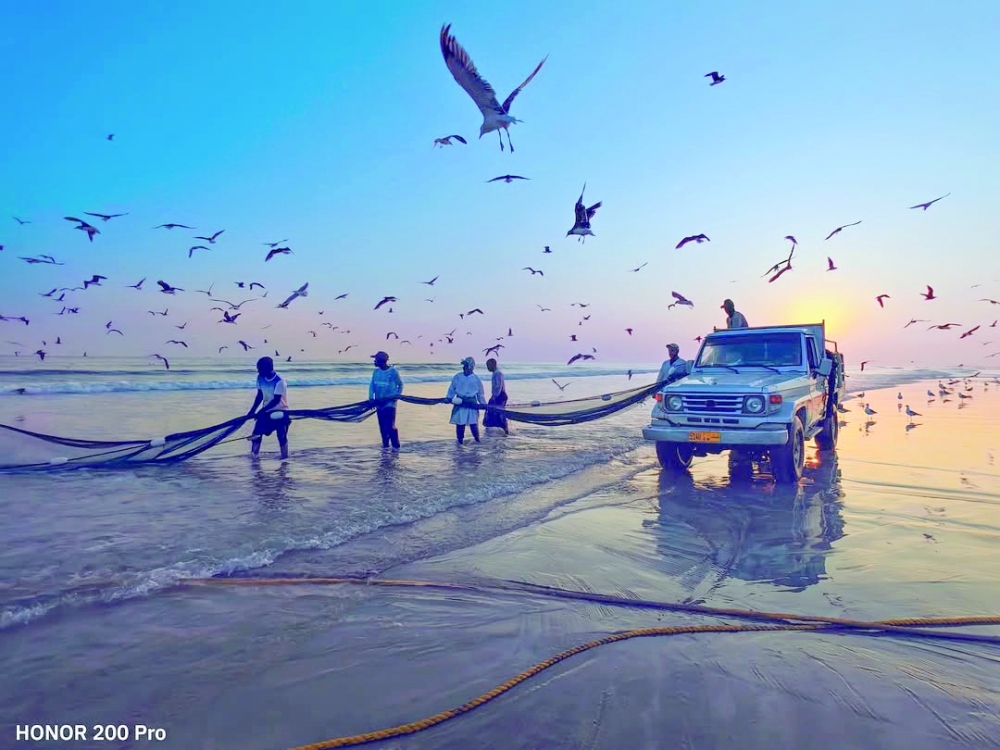
Amidst the hard work and challenging conditions, the season is also a vibrant cultural festival. Fishermen gather in song, their chants echoing the faith and unity that have sustained this practice through the ages. Songs like “Allah Kareem, Allah” lift spirits and foster a sense of belonging, connecting the community’s past to its present.
As the Dhawaghi season unfolds each year, it becomes all the more clear—it’s about much more than catching fish. It’s a living symbol of heritage, resilience, and community spirit—an unbreakable link between Dhofar’s people and the sea that sustains them.
Oman Observer is now on the WhatsApp channel. Click here