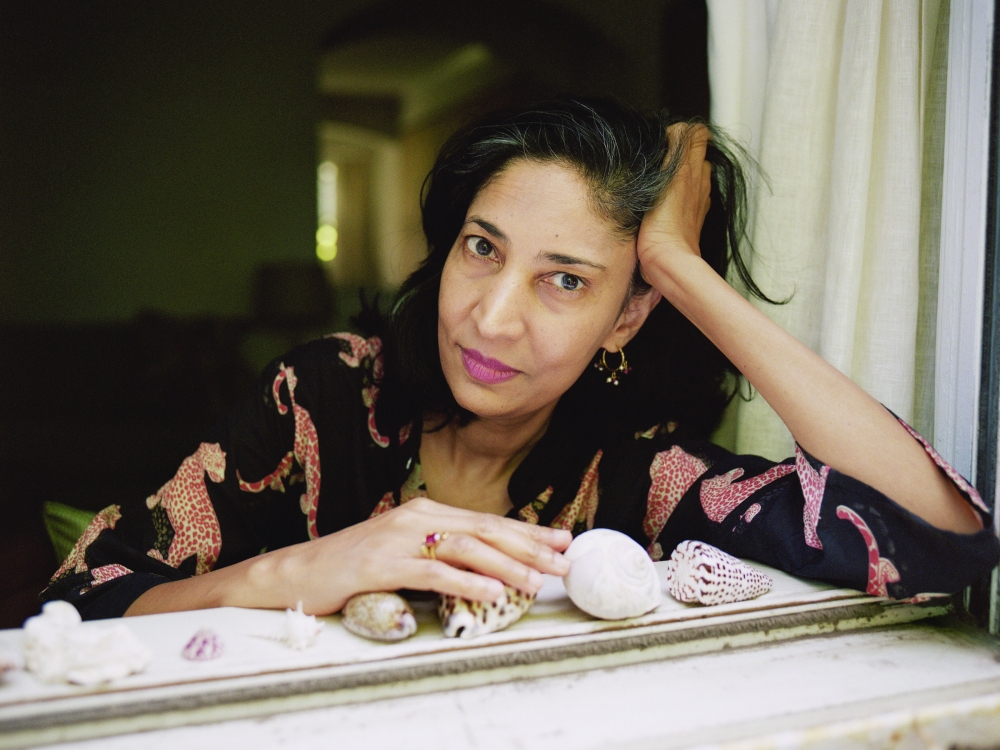





NEW YORK: On a sweltering summer evening in Jackson Heights, a neighbourhood in Queens, novelist Kiran Desai was approached on a busy corner by someone promising a glimpse of the future.
Desai politely declined. But she couldn’t resist taking a business card, which advertised the services of a fortuneteller whose reputed skills included prophecy, eradicating black magic, bad luck and evil spirits; and curing more mundane problems like divorce, money troubles and reuniting with a lost love.
As she studied the card, a puzzled look crossed her face. “Now I’m curious”, she said.
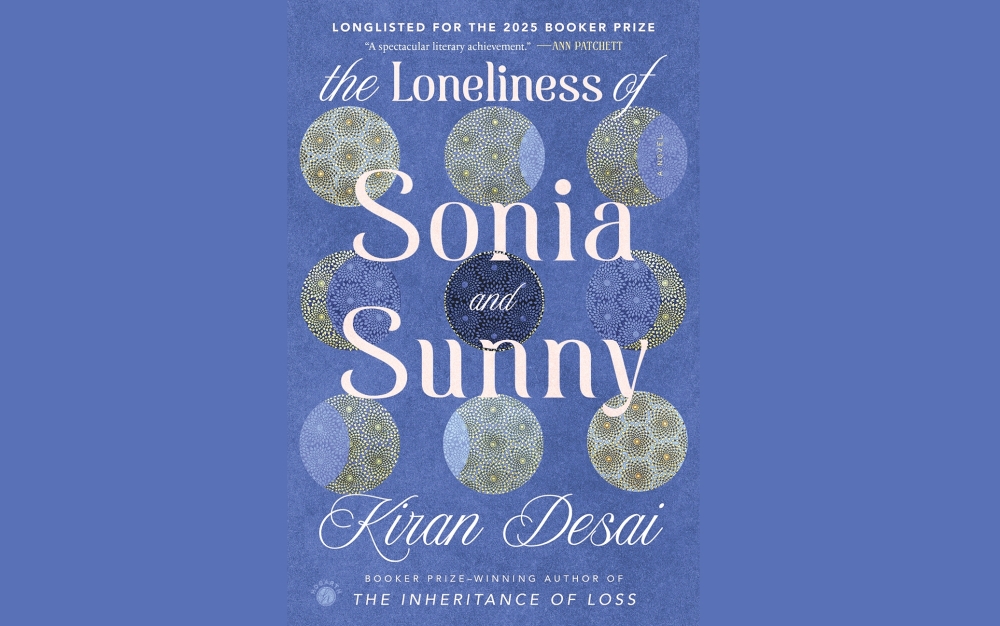
“The Loneliness of Sonia and Sunny”, which Hogarth will release on September 23, follows the intersecting lives of two young Indians who are far from home and struggling with displacement and loneliness.
Sonia is an aspiring novelist attending college in Vermont; Sunny, a budding journalist in New York City. As they separately pursue writing careers and independence from their families and homeland, Sonia and Sunny’s paths keep colliding — first, when Sonia’s family proposes an arranged marriage, an offer Sunny rejects as ridiculously old-fashioned and later, when they notice each other on a train to Allahabad, then reunite in Goa and Venice and gradually fall in love.
It’s far and away Desai’s most ambitious novel and her first since she won the Booker Prize in 2006 for “The Inheritance of Loss”. Nearly 700 pages long, it spans continents and unearths decades of family history, exploring the effects of globalisation, the legacy of colonialism and partition in India; and the slippery, transmutable nature of identity.
When she first had the idea for the novel, Desai didn’t realise how thoroughly the story would swallow her life. At times over the years, she feared that she might never finish it. Now that the book is done and due out this month, she’s feeling a bit lonely without it, she said.
Desai’s long absence from the literary scene has only added to the anticipation for her new novel. On the day we met, Desai learned that she’s a contender for this year’s Booker Prize.
“After all these years, I feel she’s found her own full voice as a writer”, Salman Rushdie, a family friend who has known Desai since she was little, said of her new novel. “It’s been a very hard book for her to write and I hope it doesn’t take her another 20 years to write the next book”. During those difficult moments when Desai feared the novel would fall apart, she turned to a trusted writer and mentor: her mother, novelist Anita Desai.
“I don’t show my early work to anyone except for her”, Desai said. “She understands what I am trying to say, because she understands the landscapes that I am writing from”. Anita Desai, 88, recalled marvelling at the story’s scope when she first read a draft, which then topped 1,000 pages.
“It was a world in itself”, she said.
Desai wrote for stretches at her mother’s home in Cold Spring, New York, where mother and daughter worked in parallel on their manuscripts and came together to discuss their work over dinner.
Over the years, they’ve developed a bond that’s as writerly as it is maternal and filial. They speak every day; Desai fielded a quick call from her mother as we were walking through Jackson Heights, as she nimbly dodged pedestrians on crowded sidewalks. When she won the Booker in 2006, Desai said in an acceptance speech that she felt the novel was her mother’s as much as her own. Anita Desai, who’s been shortlisted for the Booker three times, told interviewers that she felt as ecstatic about her daughter’s achievement as she would have had she won herself.
Soon after finishing “The Inheritance of Loss”, Kiran Desai had the idea for “an Indian love story out in the modern world”, which would explore love and loneliness and the ways that romantic ties, which were once dictated by social class, religion and community, have become more a matter of chance.
She began writing Sonia’s and Sunny’s stories in parallel, unsure how they would intersect. She gave Sonia a background much like her own, including a boisterous Delhi family with a beloved household cook who excels at making kebabs. Like Desai, Sonia discovers her love of literature while working in a college library and has the idea for a fictional work about a boy who lives in a tree and is mistaken for a holy hermit — a plot that echoes Desai’s debut novel.
While writing the book, Desai bounced between writing residencies in Europe and the United States and travelled to India, Italy and Mexico, keeping journals that shaped the narrative. She moved around from Manhattan to the Brooklyn neighbourhood of Dumbo and eventually landed in Jackson Heights, which became part of her novel, the place where Sunny finds some semblance of home in the neighbourhood’s immigrant communities.
As the years slipped by, Desai was so immersed in the story that she barely noticed time passing except on her birthday and New Year’s, she said. Desai lives alone and has never married; she’s also kept her distance from the competitive pressures of the literary world.
“She’s not in the thick of the literary scene so to speak and that has really served her and the book and allowed her to do the deep thinking and the deep living with these characters”, said David Ebershoff, Desai’s editor.
Leading a solitary life — supported by fellowships and grants and a substantial publishing advance in 2010 — allowed Desai to spend nearly two decades of uninterrupted work on the novel. “Artistic loneliness”, she said, “can be exquisite”. Still, at times, she worried she might never finish the novel and that she was exhausting her publisher’s patience.
Oman Observer is now on the WhatsApp channel. Click here