




Balqees Aloraimi
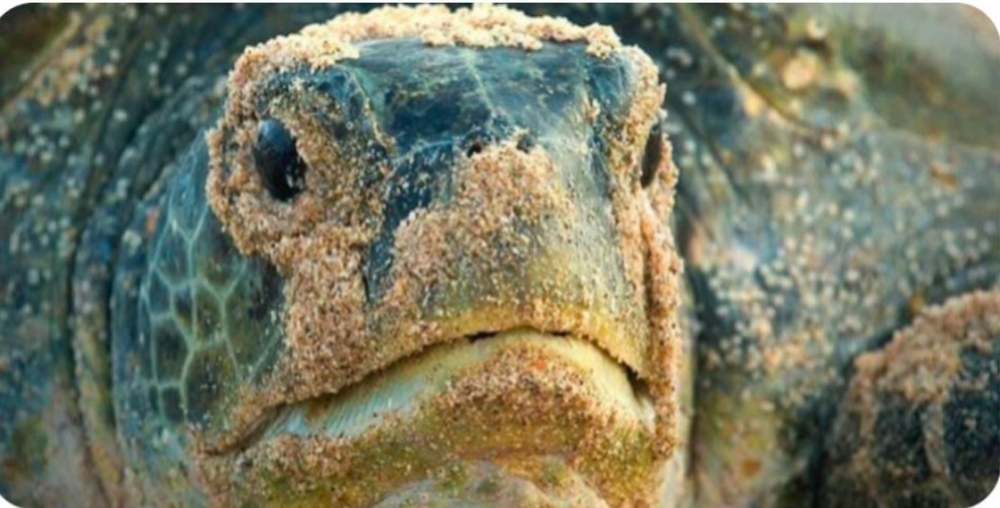
After more than a decade of traveling around the vast waters of the Indian Ocean, Rymani the turtle has found her way back to the shores of Oman. Tagged over ten years ago as part of a nationwide conservation programme, her return is not only a remarkable natural event but also a powerful symbol of the success of Oman’s long-standing efforts to protect marine life.
Rymani’s story began when she was first tagged by the Environment Authority during a turtle
monitoring campaign. Since then, she has traveled thousands of kilometres across open seas, navigating through regional and international waters, before returning to the beach where her journey started.
Scientists emphasise that this behaviour is not uncommon among sea turtles, which are known for their ability to return to their natal nesting grounds even after years away. For Oman, Rymani’s homecoming provides valuable data that reaffirms the effectiveness of its turtle protection initiatives.
Oman is globally recognised as one of the most important habitats for sea turtles, hosting five of the
seven known species. Among them, the green turtle finds one of its largest nesting sites in the world on Masirah Island. Other species, such as the loggerhead, olive ridley, and hawksbill turtles, also frequent Omani shores for nesting.
The Environment Authority, together with local and international partners, continues to implement
robust conservation strategies. These include tagging and tracking turtles, safeguarding nesting beaches, raising public awareness, and engaging communities in conservation practices. Such efforts have
positioned Oman as a key player in global marine conservation.
Rymani’s return is not only a scientific milestone but also a reminder of the interconnectedness of
marine ecosystems. Sea turtles traverse international waters, making their protection a shared
responsibility. Oman’s success in preserving these species demonstrates the broader impact of local
conservation initiatives on global biodiversity.
Her journey underscores the long-term rewards of environmental stewardship. What began as a tagging effort years ago has now become a story of resilience and return—proof that sustained policies and careful management can yield lasting results.
The story of turtles in Oman extends beyond ecology; it also plays a vital role in sustainable tourism.
Beaches such as Ras Al Jinz and Ras Al Hadd attract thousands of visitors annually who come to witness the awe-inspiring spectacle of turtles nesting or hatchlings making their way to the sea.
This form of eco-tourism not only boosts local economies but also strengthens awareness about
conservation. Visitors are encouraged to respect strict guidelines—avoiding artificial light, refraining
from disturbing turtles, and leaving nesting sites untouched. Such responsible behaviour ensures that
the delicate balance of these habitats is preserved for future generations.
Rymani’s return is a powerful endorsement of Oman’s environmental policies. It is a story that blends
science, resilience, and symbolism: a turtle that has crossed oceans yet remains tied to her birthplace.
For the nation, it is a reminder that its commitment to biodiversity conservation is yielding tangible
outcomes.
As Oman continues to position itself as a regional leader in environmental protection, Rymani’s journey serves as both a symbol of trust and a call to action. It reaffirms the importance of sustaining efforts that ensure these ancient creatures remain part of the marine landscape for decades to come.
In the end, Rymani’s story is more than a natural event. It is a message of hope, a reflection of Oman’s
global role in conservation, and an invitation for all to share the responsibility of safeguarding the
planet’s most treasured species.
Oman Observer is now on the WhatsApp channel. Click here