The last beach towel is packed away, the ice cream cones are just a memory and suddenly alarm clocks are ringing again. For many children, the transition from summer vacation to school days brings what psychologists often call “post-vacation blues”.
While adults might joke about wanting “just one more week off”, kids can feel the shift even more deeply.
Imagine this: after weeks of late bedtimes, lazy mornings and endless play, children suddenly have to swap swimsuits for uniforms and playgrounds for classrooms. It is a jolt. Some kids may become quiet, irritable, or even complain of stomach aches. Others might just seem “off” — a little less enthusiastic about the new school year than parents would hope.
Why does this happen? Vacation offers children a sense of freedom and control over their days. They can play when they want, eat when they are hungry and spend long stretches with family or friends. School, on the other hand, demands structure sitting still, following rules and meeting academic expectations. The sudden contrast can feel overwhelming, like stepping into a cold pool after basking in the sun.
But here is the good news, just as we guide our kids through first bike rides and swimming lessons, we can guide them through the return to school. The key is empathy mixed with gentle encouragement.
Start by naming the feeling. When a child sighs and says, “I miss summer”, resist the urge to brush it off with “School is fun!” Instead, let them know it is normal to feel that way. A simple, “I get it. You had such a good time this summer and now it feels hard to go back” tells them their emotions are valid. Kids, just like adults, often feel better when someone simply acknowledges what they are going through.
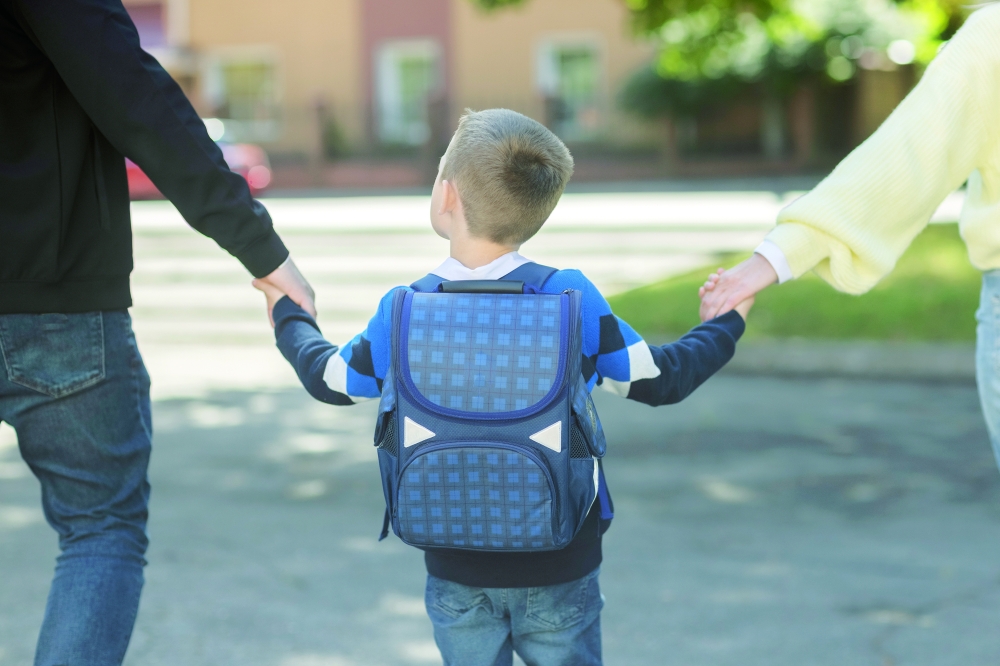
Next, shift the focus to what they can look forward to. Maybe it’s seeing their best friend every day again, discovering new subjects, or joining a favourite school activity. Framing school as a place where good things happen, not just responsibilities pile up, can ease that mental tug-of-war.
Small routines at home also make a big difference. Having a cozy after-school ritual, like sharing a snack together, walking the dog, or reading a funny story before homework, creates anchors that make the day feel less heavy. These little oases remind kids that school may be busy, but home is still their safe, relaxing space.
It also helps to bring a touch of vacation into the school year. If a child loved drawing in the sand, perhaps keep a sketchpad by their backpack for doodles after school. If family dinners stretched long on summer nights, try to recreate that atmosphere at least once or twice a week during the school term. Familiar joys soften the sense of loss.
And finally, patience is vital. Most children bounce back within a couple of weeks. The blues are usually temporary, a natural adjustment period. Still, by walking beside them with understanding, parents can shorten the shadow and bring back the spark more quickly.
So, as backpacks zip and buses roll, remember post-vacation blues are part of the back-to-school story for many kids. With listening ears, warm routines and a sprinkle of summer magic, children can move from “I miss vacation” to “I can handle this”. And who knows? The very things they dread today, new teachers, new friends, new adventures may be the stories they treasure most when next summer finally comes around.
Oman Observer is now on the WhatsApp channel. Click here