Oman is urbanising at an unprecedented pace. From the expansion of Muscat to the transformation of cities like Suhar, Nizwa, Salalah, Sur and Ibri, urban growth is no longer a demographic by-product — it is a strategic driver of diversification, job creation, and quality of life. Yet amid this transformation, one critical element remains underdeveloped: urban governance.
Urban governance goes beyond roads, masterplans, and zoning maps. It refers to the institutions, frameworks, and processes that determine how cities are planned, managed, and held accountable to their residents. It asks fundamental questions: Who decides? How are decisions made? Whose voices count? How are resources allocated? It is about connecting land use, housing, transport, heritage, environment, and economic development under one coherent vision.
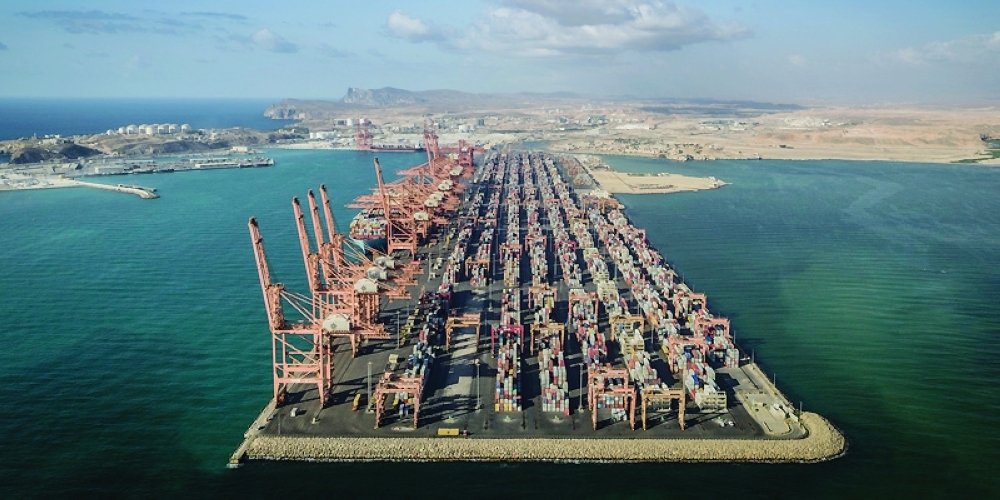
Oman has invested heavily in infrastructure — ports, roads, industrial zones, and utilities — but less in the institutional systems that ensure cities are liveable, resilient, and inclusive. Municipalities have traditionally been tasked with service delivery but often lack the authority, fiscal power, and data needed to shape long-term urban futures. Critical decisions remain centralised, fragmented across ministries, and driven by sectoral priorities that often overlook the spatial and cultural logic of cities.
Why does this matter now? I hasten to ask.
First, Oman Vision 2040 depends on cities. Goals around economic diversification, SME growth, cultural tourism, and innovation hubs will succeed only if our cities are attractive to investors, responsive to residents, and designed for competitiveness. Without empowered governance, cities risk becoming disconnected service zones — efficient but uninspired, functional but not vibrant.
Second, resilience starts in cities. Oman faces intensifying pressures from water scarcity, extreme heat, and coastal erosion. Local authorities will be on the frontlines of climate adaptation but currently lack the mandates and tools to coordinate risk strategies, enforce sustainable zoning, or incentivise green innovation.
Third, identity and social cohesion are urban matters. Unchecked sprawl, traffic congestion, housing exclusion, and heritage loss can weaken the social contract. Good urban governance protects cultural identity, fosters belonging, and strengthens the civic pride deeply rooted in Oman’s relationship with place.
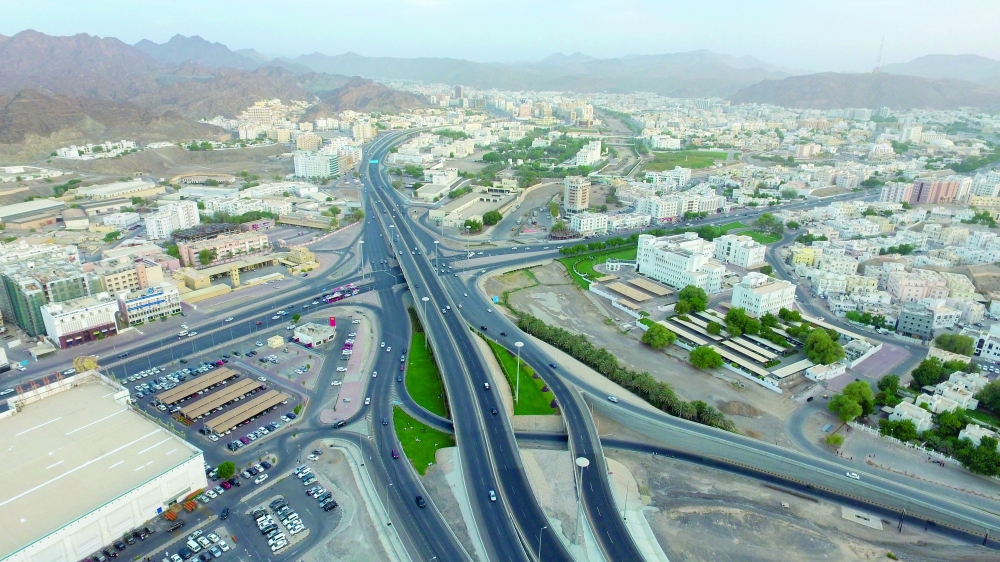
Oman must shift from technocratic planning to participatory governance — from static blueprints to adaptive, place-sensitive institutions. This means giving municipal councils real authority, not just administrative tasks. It requires local urban observatories to track performance and citizen feedback, embedding heritage and inclusivity into city design, and cultivating leadership at every level — governors, council members, planners, and community organisers — capable of navigating the complexities of urban life.
Across the globe, cities have pioneered governance reforms that Oman can learn from. Kigali has built a smart city model integrating technology and inclusivity. Copenhagen aligns city policies with national priorities to maintain global competitiveness. Medellín transformed itself by fostering strong public-private partnerships that drive economic growth and social innovation. Singapore offers perhaps the clearest lesson: robust institutions, pragmatic policymaking, and partnerships have turned limited land into a platform for prosperity.
Oman need not copy these models but should adapt their principles. Our governance must remain rooted in Oman’s historical traditions of decentralised civic leadership while embracing the realities of 21st century urban complexity.
Urban governance is also central to creating the urban economies of the future and quality jobs for young Omanis. With nearly half the population under 30, urban planning must integrate workforce development directly into city design.
This means developing specialised economic clusters: Muttrah as a cultural and creative hub; Al Rustaq as a centre for green-tech industries; Suhar as a logistics powerhouse; and Muscat as a knowledge-driven economy. These ecosystems must align city-level strengths with the national ambitions of Oman Vision 2040.
Institutional innovation is essential: municipal development agencies, urban economic units, and partnerships between local authorities, private firms, and vocational institutes. Apprenticeship pipelines, innovation hubs, and incentives for youth-led enterprises can ensure that cities become active job creators, not passive bystanders to demographic pressures.
Cities thrive by deliberate governance, not by accident. Oman has an opportunity to turn its rapid urbanisation into a platform for sustainable prosperity — but it requires embedding governance, accountability, and inclusivity at the heart of urban development.
Urban governance is not a luxury. It is the framework that transforms cities from settlements into systems where people, businesses, and cultures flourish — the driving force behind realising Oman Vision 2040.
Oman Observer is now on the WhatsApp channel. Click here