




MUSCAT, AUG 27
Localisation — spanning In-Country Value (ICV) development, strengthening local supply chains, SME participation, skills enhancement and community engagement — sits at the core of Oman’s ambition to maximise value creation from its green hydrogen sector, an industry expected to attract investments worth tens of billions of dollars.
According to a senior executive at Hydrom, the state-backed orchestrator of Oman’s green hydrogen sector, success will not be measured by export volumes of green molecules alone, but by the wider socioeconomic dividends they generate for the Sultanate of Oman.
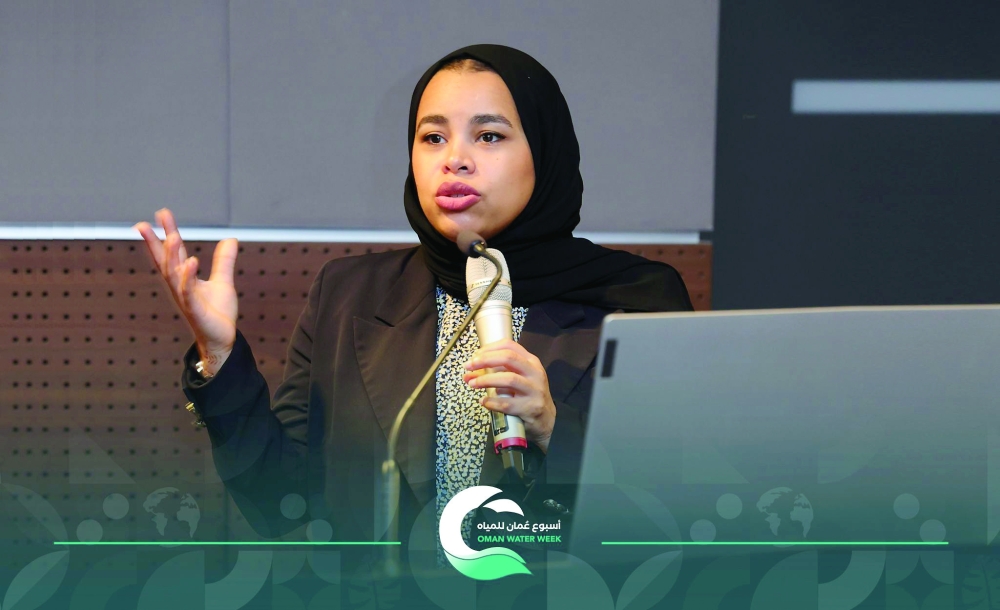
“Beyond exports, the true measure of success lies in the ripple effects: deeper private sector participation, workforce development and greater local content”, said Rumaitha al Busaidy, Business and ICV Development Manager at Hydrom. “Ultimately, our north star remains maximising value creation for Oman. That principle will guide every effort we undertake between now and 2030”. She made the remarks in an interview with The Energy Talks, a platform promoting the upcoming Green Hydrogen Summit Oman 2025.
Currently, nine large-scale green hydrogen and green ammonia projects are in early development across Oman’s Al Wusta and Dhofar governorates. Together, they are expected to produce around 1.5 million tonnes of green hydrogen annually from 2030 onwards, with combined investments estimated at around $50 billion.
Al Busaidy stressed that Hydrom is uncompromising in its commitment to ICV. “For every project under development — including those in our ongoing third auction round — developers must present clear ICV and community engagement strategies. They need to demonstrate how their supply chains will directly benefit Omanis”.
To ensure small and medium-sized enterprises (SMEs) gain a foothold in this emerging sector, several initiatives have been introduced. The SME Development Authority (Riyada), for example, has launched dedicated programmes for renewable energy and hydrogen. Hydrom itself provides information packs covering hydrogen fundamentals, active projects and business opportunities to help SMEs align their capabilities with sector needs.
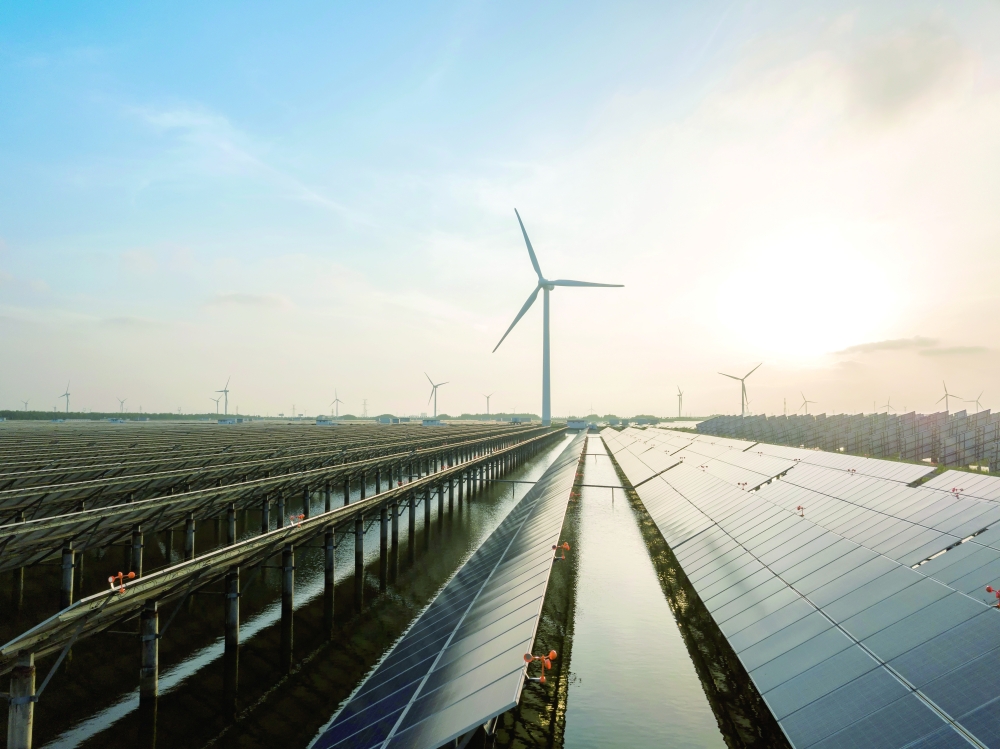
Since hydrogen is a new industry, the entire value chain remains open as opportunity space for SMEs, Al Busaidy noted. This includes everything from renewables — solar panels and wind turbines — to components for electrolysers, e-fuels, derivatives and infrastructure such as pipelines. “These are all areas where Omani SMEs can play a role”, she said.
Launched last year, Riyada’s hydrogen-focused programme helps SMEs develop their capabilities by providing training, market insights and opportunities to scale. At a broader level, Hydrom is also working to map local content opportunities, prepare them for the market and channel them to Omani businesses or potential investors.
“For example, by 2050 Oman will require around 5,200 electrolysers, creating enormous demand for raw materials such as aluminium, silica and cement. These supply needs translate into very tangible opportunities for local industries”, Al Busaidy explained. Hydrom has already published data packs on its website highlighting such opportunities, including raw material requirements through 2030 and 2050, giving entrepreneurs a road map for meaningful participation.
Community engagement is another pillar of Hydrom’s strategy. The organisation is actively collaborating with governors’ offices, community leaders and local representatives to ensure buy-in from the outset. It also takes part in regional events and forums — including those held during Khareef Dhofar Season — as platforms to engage directly with communities.
Oman Observer is now on the WhatsApp channel. Click here