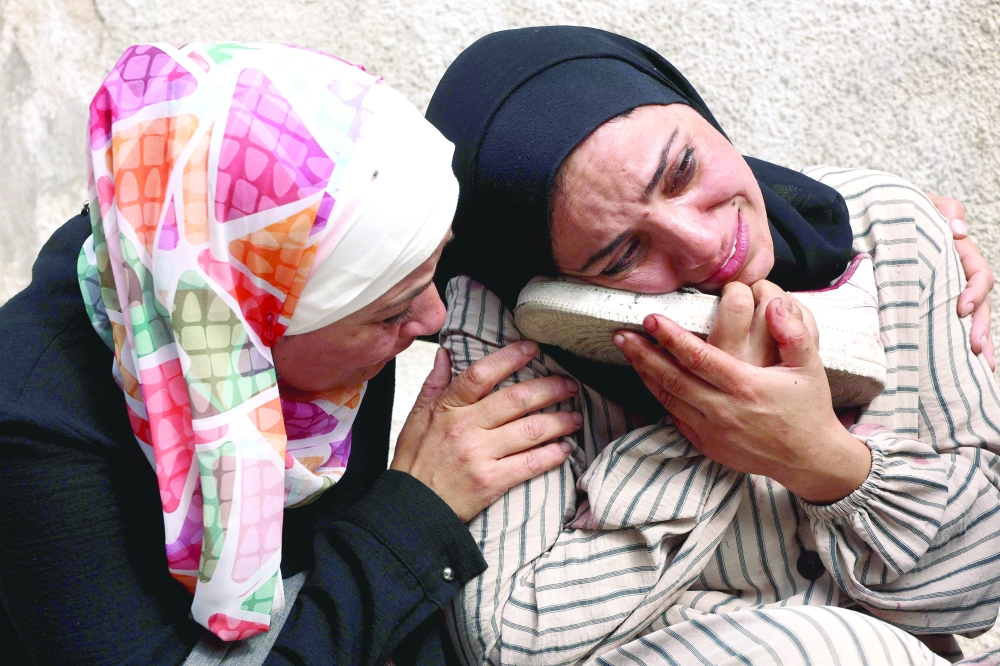
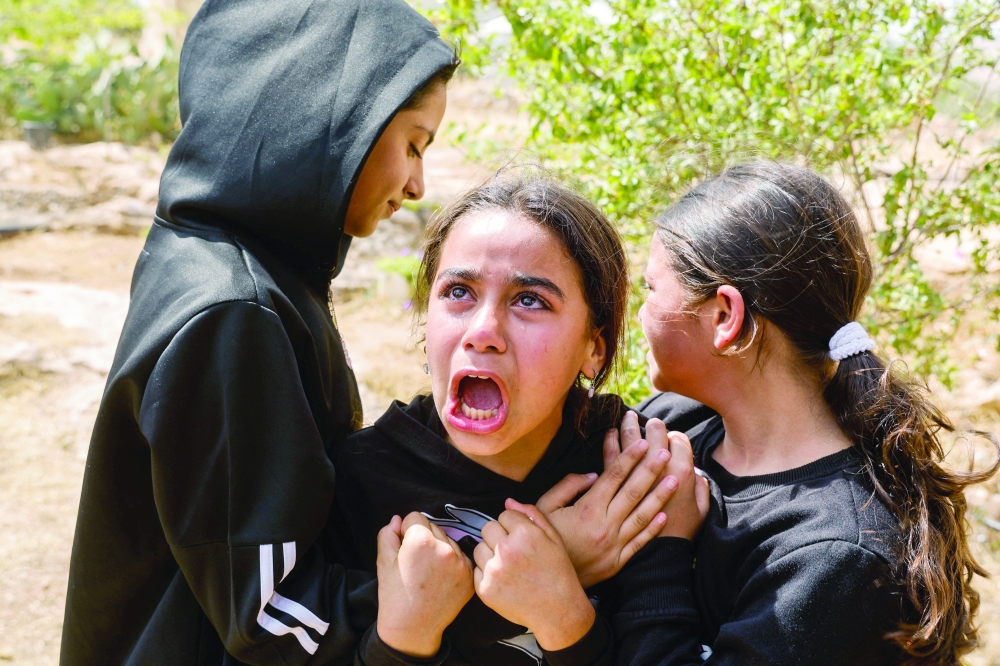
Her hands are excruciatingly slender, and the bones on her body are jutting out from beneath her skin. The picture of this emaciated 10-year-old, as reported by a news agency, is one of many children who are “going to bed hungry and waking up with hunger” in various refugee camps in Gaza.
In a newspaper report, a teen expressed her wish to die because “heaven has enough food.” Distressing images display the remains of undernourished infants who have succumbed to starvation.
Also, heart-wrenching accounts from physicians in the field show how they are compelled to watch helplessly as children succumb to injuries that could not be treated due to insufficient equipment and resources.
It's not just hunger that is causing deaths, but also the frantic quest for food. Families are compelled to jeopardise their safety for a small amount of food, frequently in perilous and tumultuous situations.
After weeks of the world seeing images of starving children, with distended stomachs and protruding bones, the Integrated Food Security Phase Classification (IPC), the primary global hunger monitor collaborating with the UN and various aid organisations, has finally declared famine for the first time in certain areas of Gaza.
The UN Secretary-General Antonio Guterres called the famine a “man-made disaster, a moral indictment, and a failure of humanity itself”. Under international law, Israel had “unequivocal obligations” to ensure that food and medical supplies entered Gaza, as it is the occupying power, he said.
The UN food monitor projects that without a ceasefire and immediate, unrestricted assistance, at least 132,000 children under five could die from acute malnutrition by June of next year.
The agency cautioned that the number might reach 614,000 as famine is anticipated to extend into the Deir Al Balah and Khan Younis by the end of September.
Classifying famine indicates that the most severe category is activated when three essential thresholds – severe food scarcity, acute malnutrition, and deaths related to starvation – have been exceeded. The most recent analysis now verifies, based on credible evidence, that these conditions have been satisfied.
The IPC data given is crucial in averting future food emergencies and stopping famine. It can also mobilise the global community to act promptly to prevent famine from occurring or to resolve a famine once it has begun.
The UN and other agencies state that although Israel has eased certain constraints on food entering the Gaza Strip, it continues to impose considerable barriers and challenges to the collection and distribution of aid.
The organisations state that 600 trucks daily are required to deliver goods into Gaza for people to fulfil their essential needs – at present, only about half of that is permitted. They emphasised that famine must be halted at any price. An urgent ceasefire and resolution of the conflict are essential to enable an unhindered, extensive humanitarian effort that can preserve lives.
The groups are deeply worried about the potential for an escalated military assault in Gaza City and any increase in the conflict, as it would lead to more devastating effects for civilians, where famine conditions are already present. Numerous individuals – particularly ill and undernourished children, elderly individuals, and those with disabilities – might find it impossible to evacuate.
According to Palestine Health Ministry, at least 62,122 people have been killed in Gaza since the break-out of the war. Most of Gaza's population has also been displaced multiple times; more than 90 per cent of homes are estimated to be damaged or destroyed; and the healthcare, water, sanitation and hygiene systems have collapsed.
The UN agencies emphasised the importance of an immediate and sustained ceasefire to stop the killing, allow for the safe release of hostages and permit unimpeded access for a mass influx of assistance to reach people across Gaza.
They stressed the urgent need for greater amounts of food aid, along with dramatically improved delivery, distribution and accessibility, as well as shelter, fuel, cooking gas and food production inputs.
Oman Observer is now on the WhatsApp channel. Click here