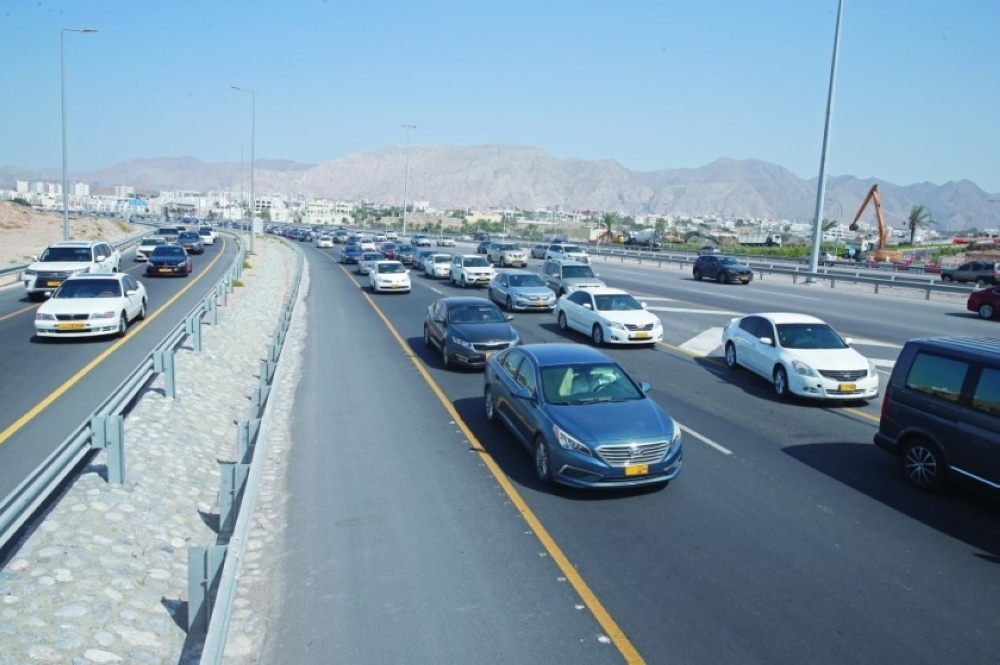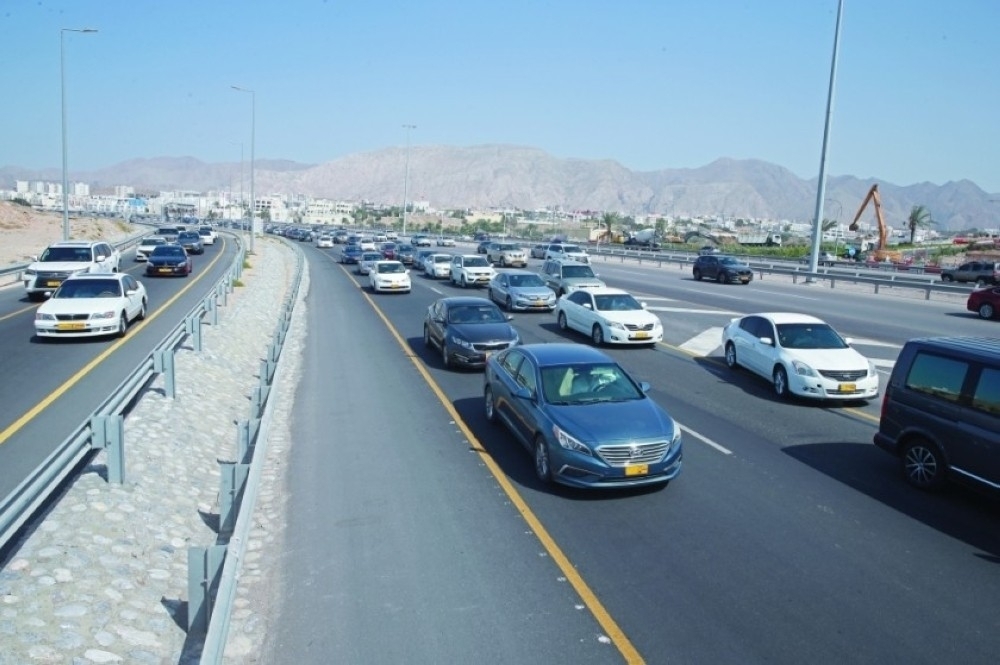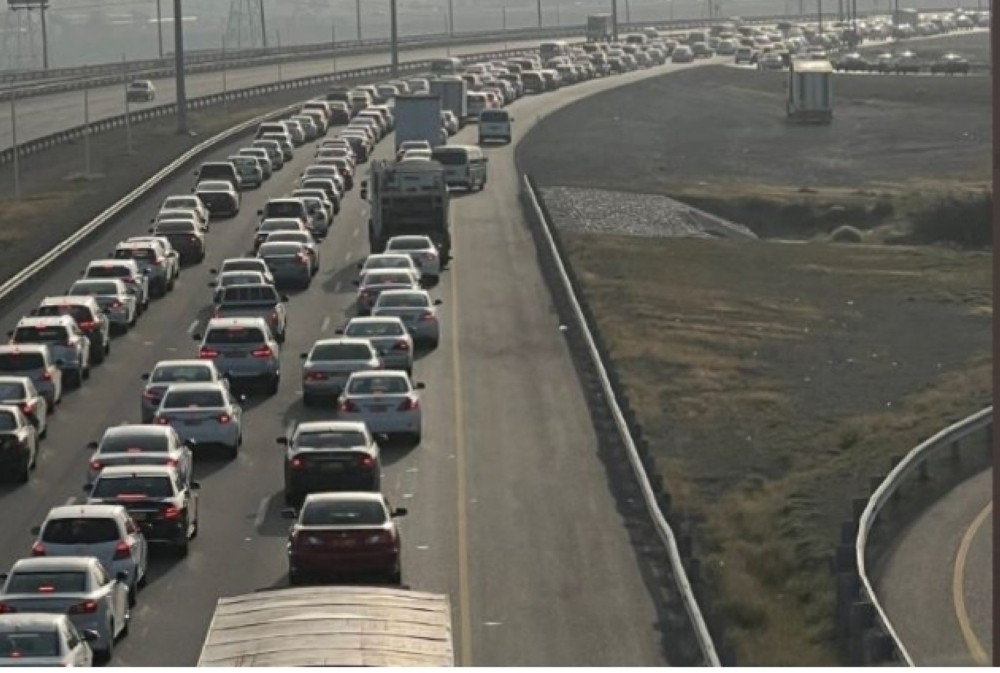





This phase lasted around 6 weeks and covered all governorates in the Muscat Governorate, and data will be collected using pneumatic rubber tubes (PRT), drones, drones, cameras, mobile phone statistics, survey samples, and Google Maps.
Automated traffic counts will be conducted at 45 locations, turning movement counts at 85 intersections and roundabouts, and 23 bridges
Parking areas in selected congested areas will be surveyed to assess their rate of usage.
Several questionnaires were distributed among road users: An SMS-based origin-destination survey to understand the daily trips made by road users and the time taken for each.
Pneumatic road tubes (PRT), also known as pneumatic road traffic counters, are devices used for traffic monitoring and data collection on roads. These tubes are made of durable rubber or plastic and are typically placed across the road surface to measure vehicle movements, including traffic volume, speed, axle load, and classification.
Muscat Municipality had earlier invited a tender for consultancy services to study the traffic situation in the capital from specialized international companies with experience in the field of road and public transportation to identify current traffic patterns, peak times, volume, weak spots in the existing road network, and areas most prone to traffic congestion.
The study is expected to improvements to the existing road network, future connections, and the governorate’s needs for public transportation to keep pace with the growth of population and vehicles by taking into account development plans in the urban and tourism sectors.
Mwasalat
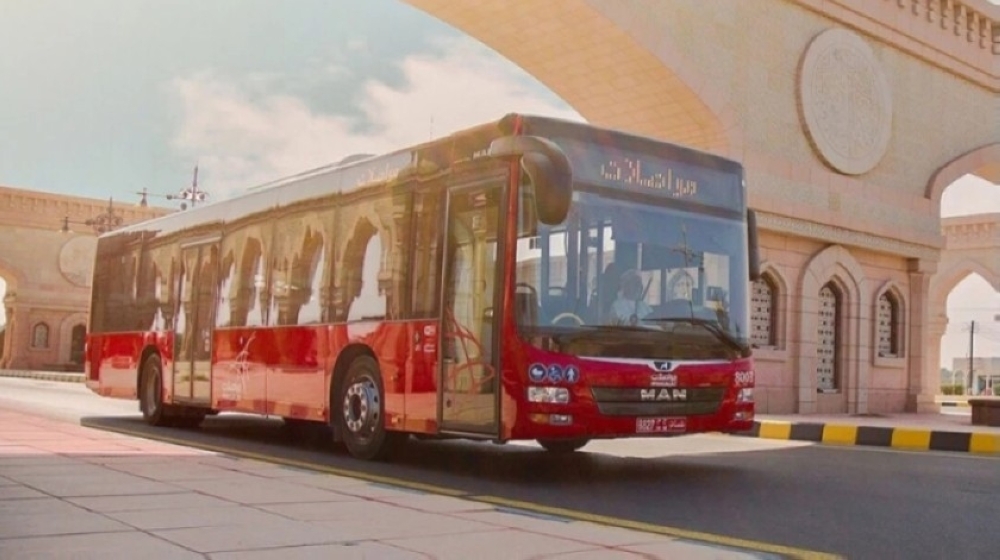
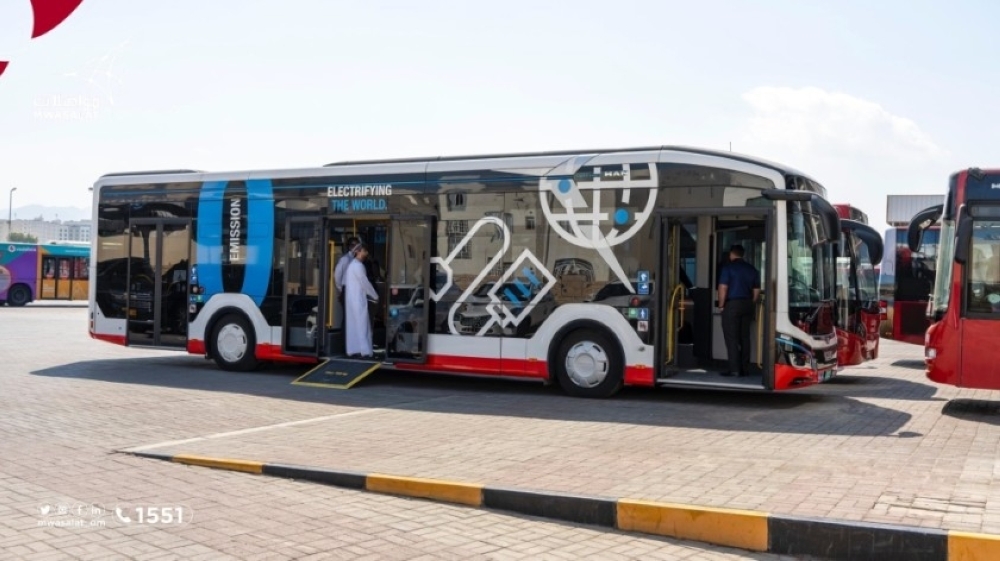
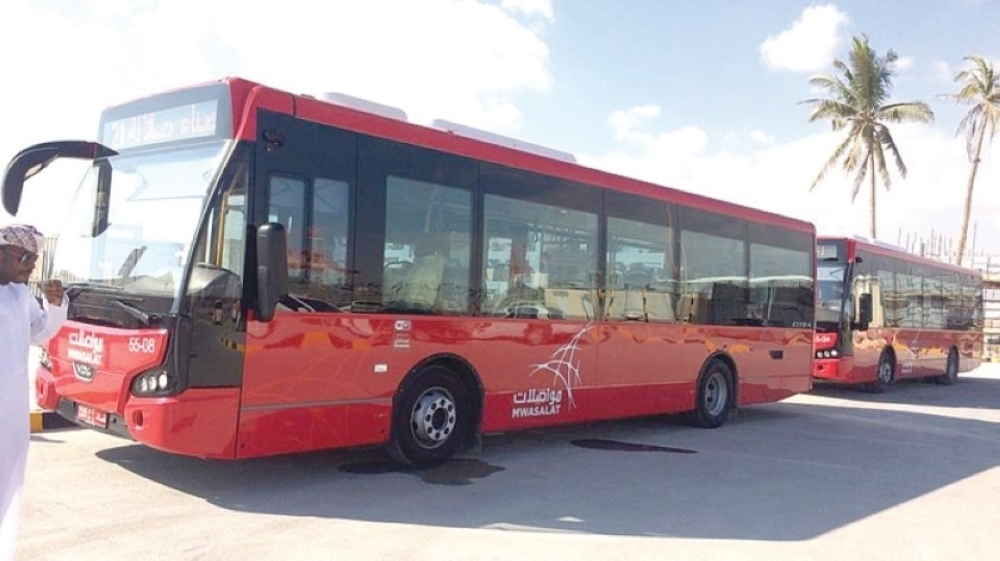
The Ministry of Transport and Communications and Information Technology (MTCIT) is reviewing the Muscat and inter-city services operated by Mwasalat.
All routes of Mwasalat in the capital will be reviewed, including the subsidy, which will be decided by the government for each route as part of the improvement plans.
The study will focus on bus route analysis, scheduling, ridership data, and service coverage, as well as the intercity network coverage and cost.
Muscat Metro

The 5O-KM metro will run between Sultan Haitham City and Ruwi CBD with around 36 stations on the route, passing through the Muscat International Airport, and the proposed CBD Ghala and Al Khuwair Downtown districts.
Still in the study stages, the metro project has been accorded top priorities according to the Vision 2040 Implementation Follow-up Unit's annual report.
Oman Observer is now on the WhatsApp channel. Click here