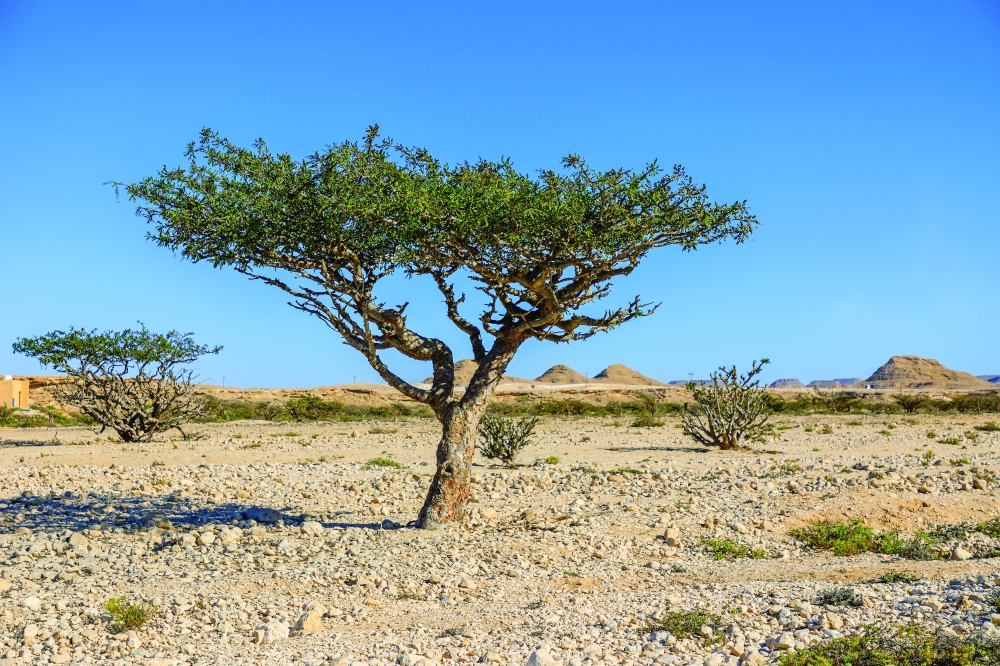





The Environment Authority underscores that the Omani frankincense tree is not merely a product to be sold, but a legacy to be preserved.
Indiscriminate harvesting threatens to deprive Oman of part of its identity.
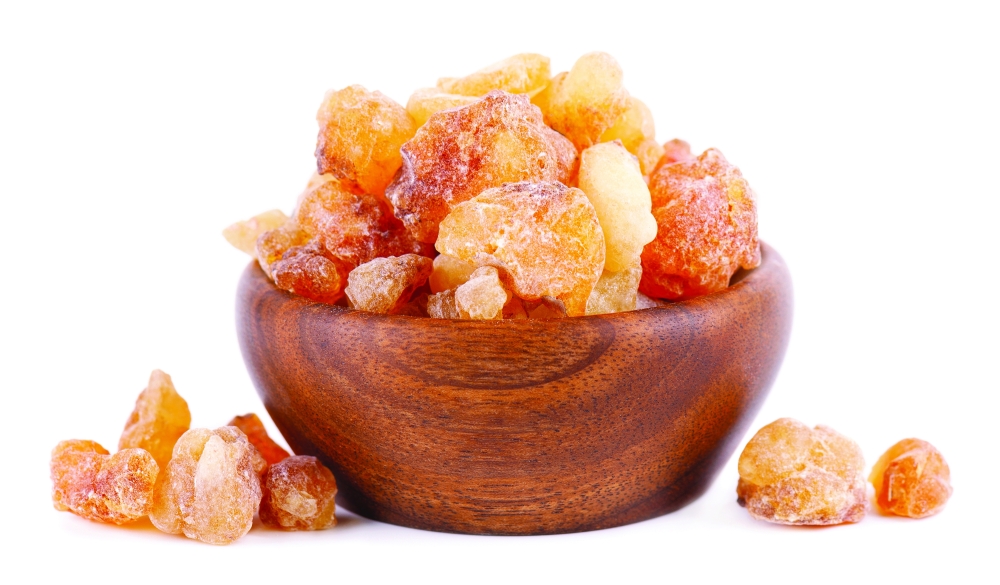
For centuries, frankincense has shaped the cultural and economic fabric of Dhofar. Beyond its historical value, it enriches biodiversity, supports food and pharmaceutical industries, and serves as a cornerstone of traditional livelihoods.
Yet, the tree now faces mounting challenges, namely overharvesting, overgrazing, habitat loss and the pressures of climate change.
Efforts are underway to safeguard this heritage.
The Environment Authority is promoting replanting in natural habitats, regulating harvest seasons based on sustainability standards, and raising public awareness of the importance of trees.
Initiatives to combat desertification, conserve wild plants and expand green cover also contribute to protection.
A 2022 study on frankincense trees in Dhofar revealed encouraging signs: while the trees show diverse regeneration patterns, no significant decline in their numbers has been detected. Still, threats remain serious — particularly overgrazing by camels, insect infestations, pest attacks, quarrying activity, unsustainable harvesting and erratic weather conditions.
Frankincense is more than a tree; it is an environmental resource, a cultural identity and the essence of Oman’s enduring heritage.
Preserving it is a responsibility shared by all.
Oman Observer is now on the WhatsApp channel. Click here