There are stretches of roads in every town where flowers never grow. People say roads connect us, but nowadays, many lead to one place: silence. Not the silence of peace, but the silence that follows a car crash. The silence in a hospital’s waiting room. The silence of unanswered phones. The silence in a house where someone is never coming back home.
We live in a world built for speed, but actually it is killing us slowly. Every day, tens of thousands of people wake up expecting nothing more than to go to school, work, or have lunch. Unfortunately, some never make it. Why? Because a missed stop sign becomes a broken spine, a late-night drive becomes a final breath, and a text message behind the wheel becomes a shattered future.
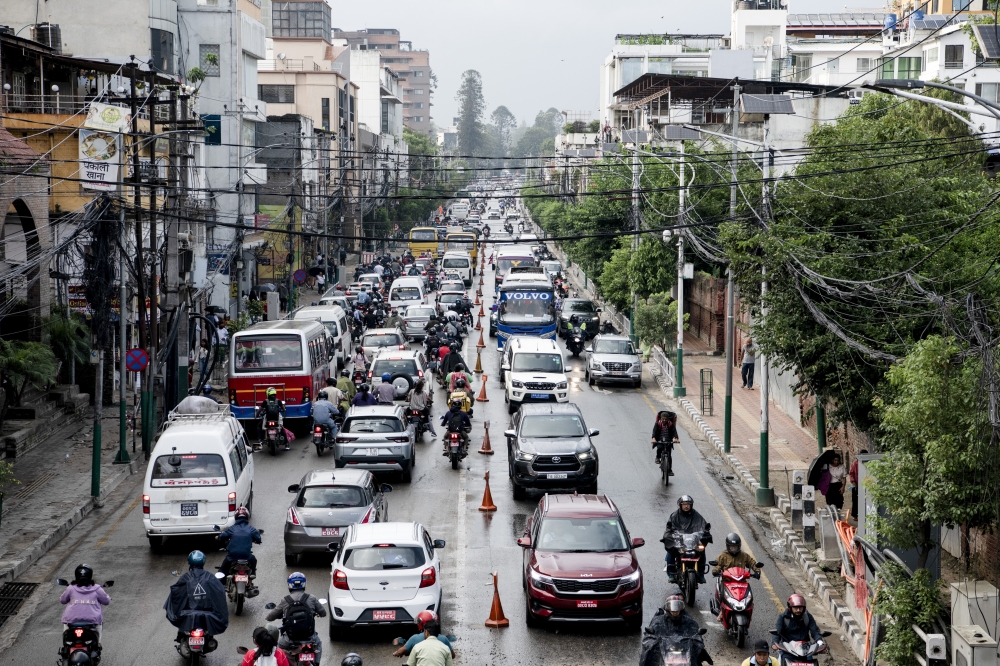
Every morning, we wake up and feed the machines called “cars". We slide into them, turn the keys and give them our time, our thoughts, our trust. However, these machines are more like beasts — sleek, fast, roaring things with metal skin and rubber feet.
Lately, they seem hungrier. As we rush to arrive, we forget how to survive inside them. A mother misses a stoplight, a teenager checks a notification on his mobile phone, and a father falls asleep after a 12-hour shift. And then, somewhere tyres scream and silence falls.
After fatal moments like these, we count the dead, but we don’t count the grief. We publish statistics not the silence that follows. Road crashes cost the global economy hundreds of billions of dollars annually. But what is the real cost of a mother who never comes home? What is the price of a son’s laugh, silenced forever?
These are just a few of the priceless losses hidden behind every headline. Insurance pays for the car only and not for the birthdays missed, the incomes lost, or the dreams erased. Behind the numbers are real names, real lives and severe pains.
People think of car accidents as isolated events, but they are not. They are dominoes falling one after another. A crash is not just a single moment; it is a chain reaction. Yes, not everyone dies, but those who survive often live differently. They carry memories like shattered glass in their pockets. They see headlights and remember a moment they couldn’t stop.
So, what do we really carry behind the wheel? It is more than a licence. We carry the lives of strangers, passengers, pedestrians — people who trust we won’t make them a headline. Victims are rarely the reckless. They are the careful drivers, the child in the backseat, the man crossing the street.
They did everything right and still lost everything. We must remember that driving is not just a skill. In fact, it is a moral responsibility. The road is not yours alone — it is a shared promise. A promise to protect, to respect, to arrive alive. And when that promise is broken, it echoes in funerals, in hospital wards and in empty chairs.
Such aching memories are not healed with speed limits alone and not with apologies or with small fines. So why are reckless drivers still getting away with it? Where is the justice for those left behind? Where is the fear in those still speeding? Perhaps what we need is more than awareness — we need strict actions and unforgiving penalties.
Let there be harsher sentences for reckless drivers. Zero tolerance for repeat offenses. Immediate licence suspensions for dangerous behaviours. Mandatory educational and disciplinary programmes for offenders.
But people tend to forget quickly. They pass a car crash, see the flares and flashing lights, and simply whisper, “That could’ve been me.”
Let’s stop whispering. Let’s remember — every day — that when you drive, you are holding power. Every time you touch the wheel, you are writing a story, so make sure it is not a tragedy.
Oman Observer is now on the WhatsApp channel. Click here