As teachers and students return to physical classrooms after a seasonal break, education systems are presented with a critical opportunity to move beyond traditional routines.
This is evident in reflection on past learning experiences, reconnection among members of the learning community and dynamic curriculum activation. Each of these three elements can be further explained as follows: Reflection: Learning from the past to inform the future. The transition back to the classroom provides an opportune moment for both teachers and students to engage in reflective practices. Educators must ask: What worked well in previous teaching experiences? What challenges were encountered? What lessons have we learned about learners, pedagogies and ourselves? Reflection is not merely a retrospective exercise; it is a formative tool that cultivates growth-oriented mindsets. Teachers may reflect on instructional methods that supported engagement during remote learning or consider how differentiated strategies impacted student outcomes. Similarly, students benefit from guided reflection on their learning processes, agency and resilience. This shared process of reflective inquiry supports a culture of continuous improvement and professional growth.
The second key element is the reconnection among members of the learning community, which plays a critical role in restoring the human dimension and emotional aspects of education. Returning to school also marks a moment of relational renewal. Learning is inherently social, and strong interpersonal connections form the foundation of safe and effective learning environments. After extended periods of physical separation or routine disruption, re-establishing trust, empathy and community within the classroom becomes essential. Educators must intentionally create spaces for dialogue, emotional expression and collaborative learning. Reconnection is not just about familiarity; it is about rebuilding a learning community where every student feels seen, heard and valued. This aligns with contemporary approaches to social-emotional learning (SEL) and trauma-informed education, emphasising the importance of belonging and psychological safety in promoting academic success.
As for the third element, dynamic curriculum activation, this refers to the shift from passive content delivery to active, meaningful engagement with curriculum materials. The classroom should no longer be a space where knowledge is merely transmitted. Instead, it becomes a vibrant arena where students co-construct meaning, apply learning in authentic contexts and pursue inquiry-based tasks. Moreover, curriculum activation often requires reconsidering traditional pedagogical approaches and lesson delivery formats, shifting towards more student-centred models through the lens of project-based learning, real-world problem-solving and formative assessment practices. It calls for teachers to be designers of learning experiences, not just implementers, who align instructional choices with students’ needs, interests and current realities. This activation also acknowledges the role of technology, interdisciplinary learning, and 21st-century competencies, critical thinking, communication, collaboration, and creativity in shaping relevant and responsive curriculum.
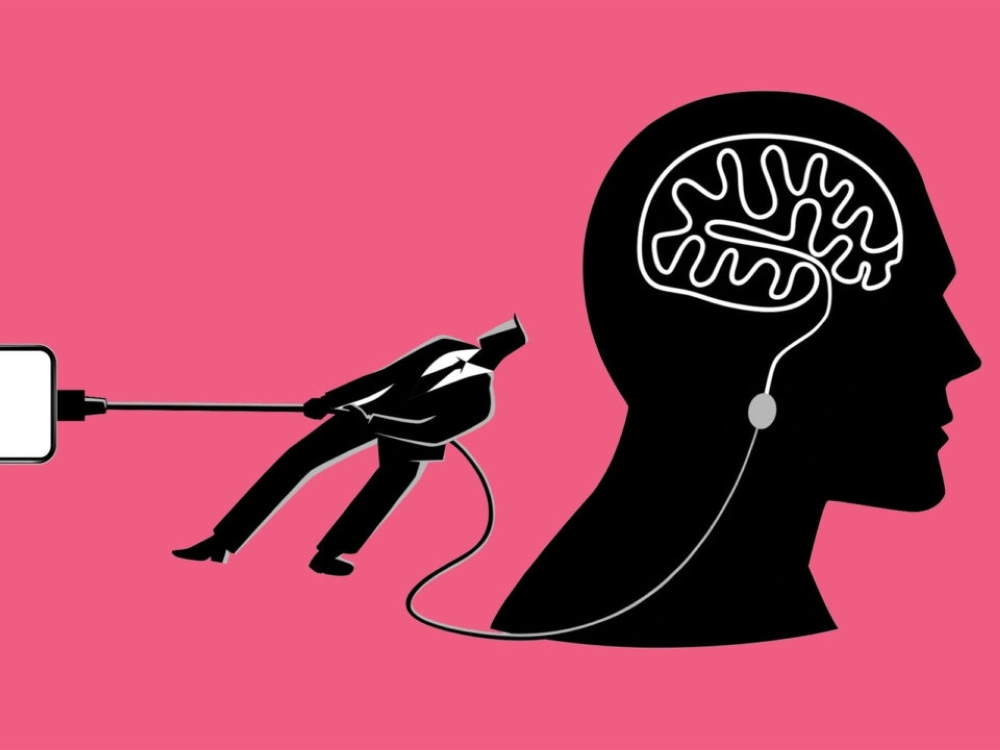
To conclude, an active and safe return is regarded as a critical period for the implementation of new, practical strategies. Goals should be set at the outset through reflective consideration of students' needs, such as rest, personal growth, social connection and creative engagement. A digital detox is recommended to facilitate cognitive recovery by minimising screen time. Additionally, balance must be maintained to prevent the early phase of the return to school from being overwhelmed by excessive workload caused by overplanning or the undertaking of numerous activities.
Oman Observer is now on the WhatsApp channel. Click here