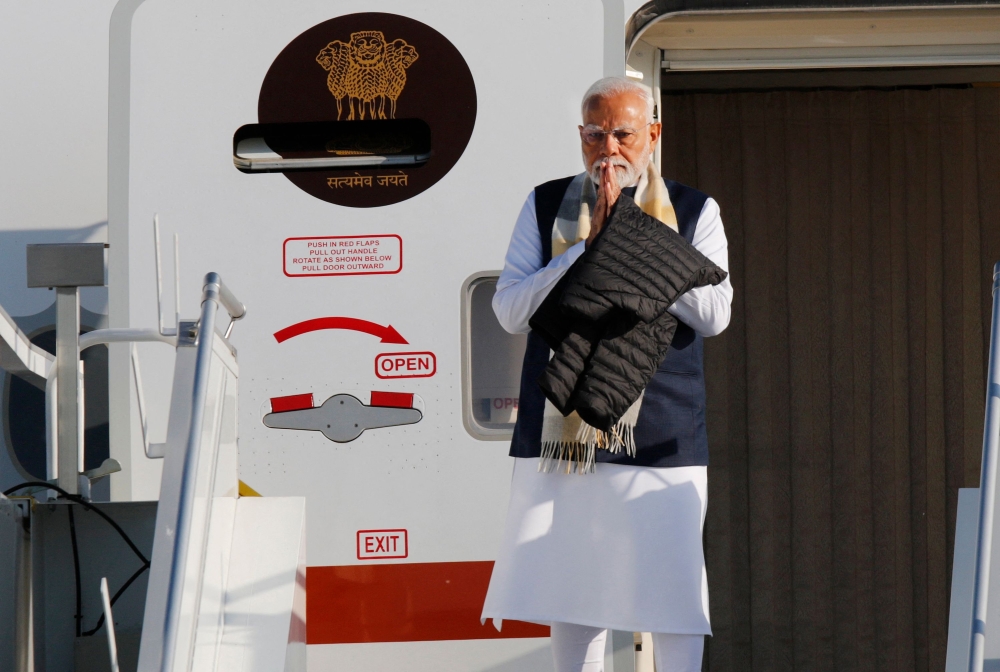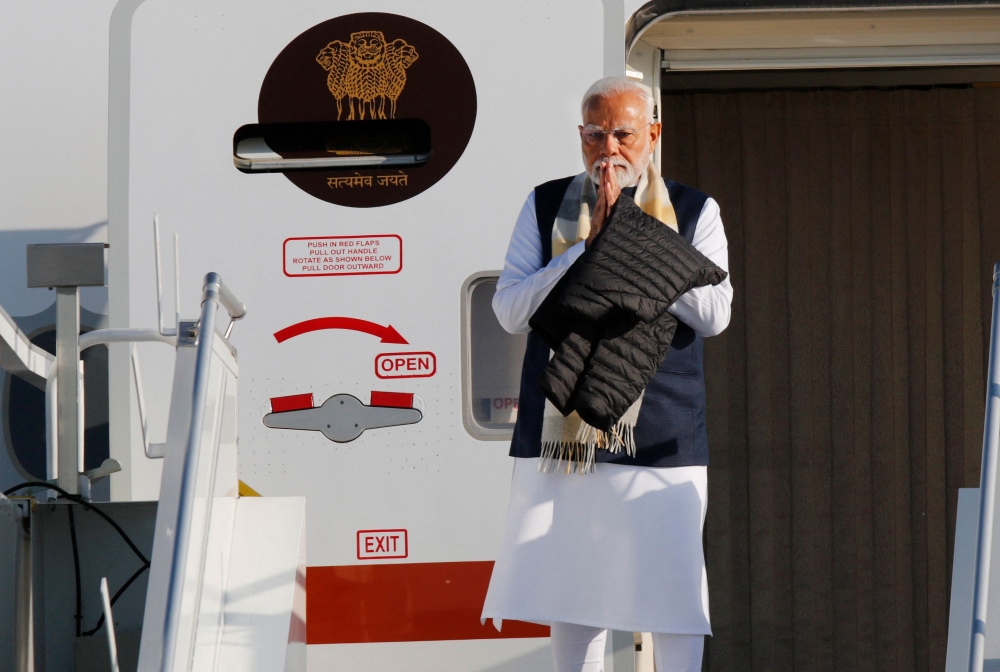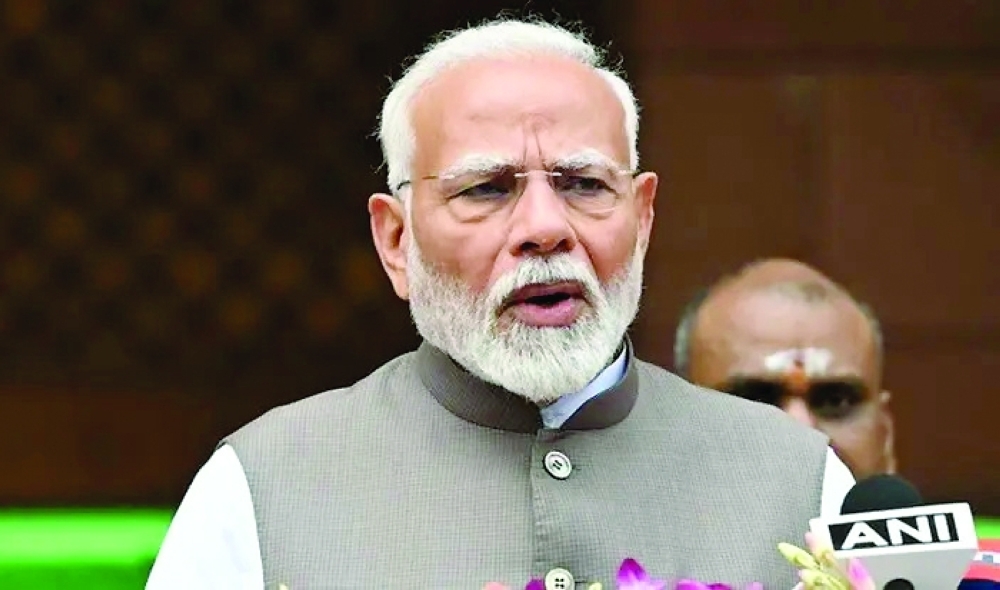





MUMBAI: Indian Prime Minister Narendra Modi's plan to cut consumption taxes on everyday goods could provide billions in annual relief and boost demand in an economy facing potential US tariffs. US President Donald Trump has threatened to double import duties on India from 25 to 50 per cent to punish New Delhi for buying Russian oil, which he says funds Moscow's war in Ukraine.
The prospect of higher tariffs has clouded the outlook for India’s economy, with exporters warning of falling orders and job losses. New Delhi called Washington’s move “unfair” but is seeking to cushion the impact. Modi last week pledged to “bring down the tax burden on the common man” during a speech marking India’s independence.
The proposed cuts to the goods and services tax (GST) would reduce taxes on items from small cars to air conditioners. Currently, GST has a four-tier system, with rates from 5 to 28 per cent. Under Modi’s reforms, most goods would fall into just two tiers, taxed at either 5 or 18 per cent. Modi described the change as a “Diwali gift”, referencing the festival when consumer spending peaks.
Trump’s tariffs and their impact on ordinary Indians depend on progress in a Russia-Ukraine peace deal and whether India secures alternative oil suppliers before the US deadline on August 27. Experts say Modi’s tax reform could reduce tax collections by $13–17 billion, helping support domestic demand. Analysts at Emkay Global Financial Services called it a “welcome reform towards boosting domestic consumption”, while Motilal Oswal noted benefits across sectors and “sizeable savings” for households.
The proposal requires approval from the GST Council, which includes state government representatives and has struggled to reach consensus. While cuts would strain public finances, they could offset tariff risks and strengthen Modi’s standing with the middle class ahead of elections in Bihar, a key political battleground.
Economists say the GST readjustment is also an acknowledgment that India’s economy has not served the “low middle-income class” well. Without a US-India trade deal, Trump’s tariffs could drag India’s GDP growth below six per cent this fiscal year, below the central bank’s 6.5 per cent forecast.
India’s stance on Russian oil is expected to become clearer by late September, as most current cargoes were contracted before Trump’s threat. Analysts say refiners are exploring other sources, but Russian oil remains central to India’s crude imports. As the August 27 tariff deadline approaches, US-India trade negotiations remain uncertain, with reports of a postponed US visit to New Delhi. — AFP
Oman Observer is now on the WhatsApp channel. Click here