“I’m just waiting for the political outcome after the meeting between Donald Trump and the European Union,” said one of the dealers at FXNovus, a global trading platform. She was speaking with the tone of someone who knows exactly how fragile markets can be. “The entire business depends on the decisions of such leaders. Where they take us, we have to follow.”
She wasn’t exaggerating. For traders and businesspeople, political summits are no longer distant events played out in the background — they are front and centre. When Trump meets Putin or shakes hands with European leaders, the conversations that follow can decide whether currencies rise, commodities fall, or trade routes shift. Business strategies, especially in today’s interconnected economy, are written on political paper.
Take Gaza, for instance. Trump has often spoken of a “business-first” peace plan, suggesting that investments and infrastructure might ease tensions. To some, it may sound too simplistic. But to a trader, the idea that prosperity could bring stability is not far-fetched.
If businesses can take root in Gaza, it could mean new supply chains, more trade flows, and opportunities that benefit both locals and international investors. For us in business, the lesson is clear: even peace can be measured in terms of commerce.
Ukraine is another case where politics and business collide. Trump’s stance has been that negotiation beats prolonged conflict, and that Europe should bear more of the security burden. Now, whether one agrees or not, think about what it means for markets.
Grain prices, energy supply and even freight insurance costs are all tied to what happens on the ground in Ukraine. For traders, peace talks are not only about geopolitics — they are about reducing volatility and creating predictable conditions to plan investments.
Then there’s Pakistan. Often framed only in security terms, it has huge potential in trade and outsourcing. Trump has hinted at strengthening ties with Pakistan as a way of balancing China’s influence in the region. For businesspeople, this opens a different conversation. If trade with Pakistan expands—whether in textiles, agriculture, or IT services—companies in the US and Europe stand to benefit. That’s an opportunity no one in the market would want to ignore.
And of course, the European Union. Trump has had a love-hate relationship with Brussels, criticising defence spending and trade imbalances but never fully closing the door to negotiation. His willingness to sit across from EU leaders shows recognition of how critical Europe is for global business.
Any new trade deal, any tariff rollback, could reset the game for exporters, importers, and online entrepreneurs alike. If businesses in Europe and America can align better, we could see fresh stability after years of uncertainty.
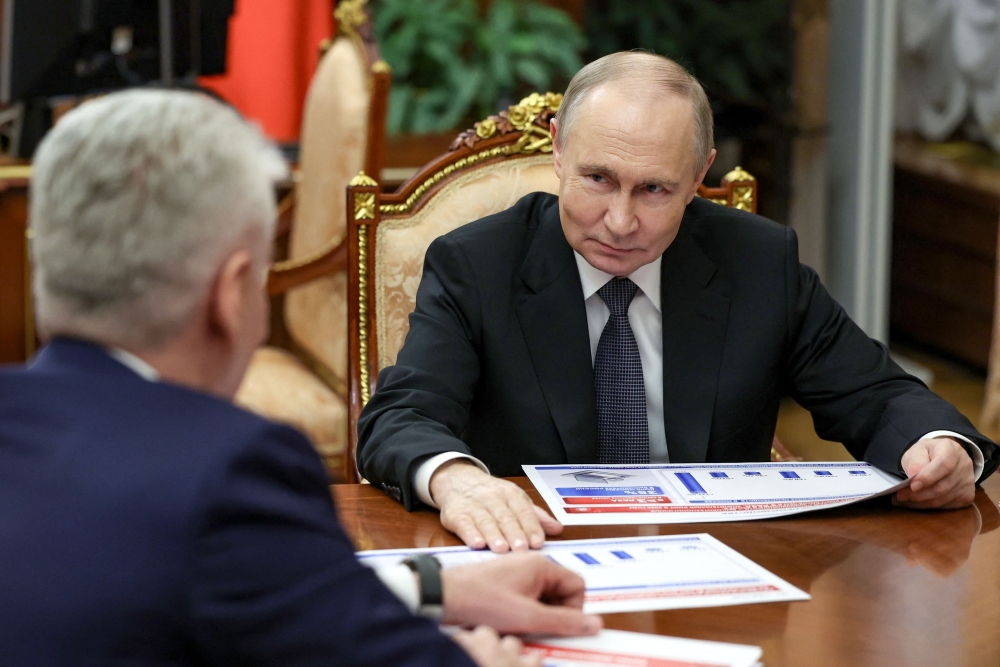
During his recent meeting with Putin and European leaders, Trump made a remark that captured the essence of his worldview: “If nations want peace, they must trade. If they want prosperity, they must negotiate.” For traders, this is not abstract philosophy — it’s the very logic of the markets. Peace and trade are not separate; they are two sides of the same coin.
For small traders, like the FXNovus dealer, or for larger corporations, the wait for political outcomes is not just about curiosity. It is about survival. If currency markets swing wildly, her profits vanish. If energy prices stabilise, her clients breathe easier. If tariffs are lifted, exporters rejoice. Every handshake, every headline, ripples across the trading screens of millions.
This is why the business world watches political meetings so closely. It isn’t about ideology. It’s about impact.
Whether you run a small online clothing store, ship oil tankers, or invest in digital currencies, your road map depends on the winds of politics. Sometimes we trade numbers, sometimes we trade news, but always, we trade the future shaped by leaders.
The FXNovus dealer had it right. Waiting for the outcome is not simply patience — it is strategy. Traders know that profits lie not only in charts and forecasts but in listening closely to the echoes of political rooms where decisions are made. Business, after all, is a conversation with politics. And in today’s world, every trader is listening.
Mohammed Anwar Al Balushi, The author is with Middle East College
Oman Observer is now on the WhatsApp channel. Click here