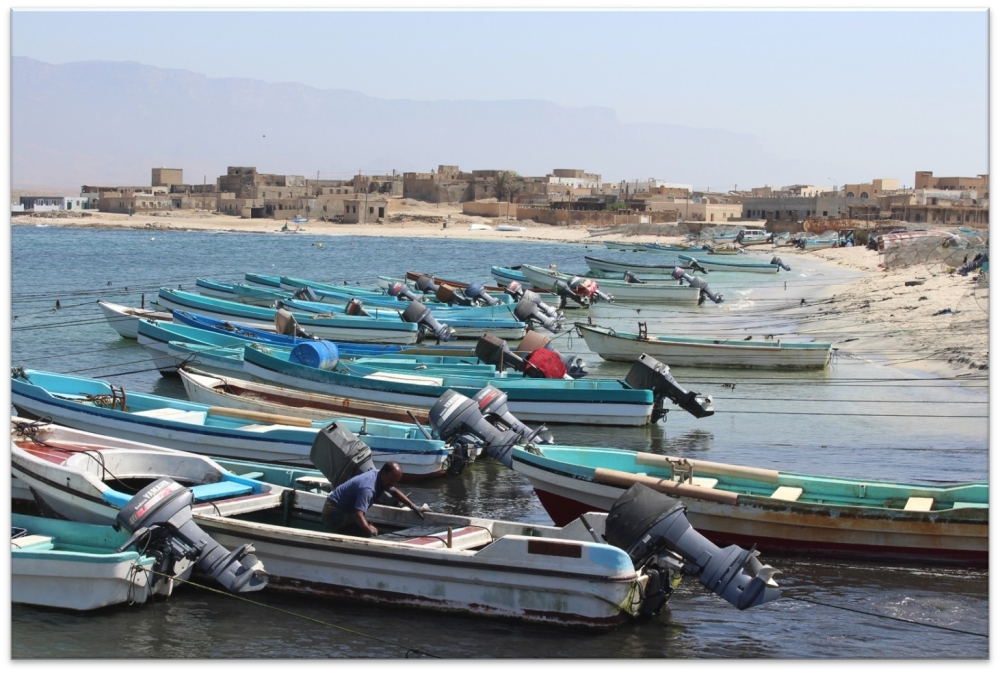
Years ago, when I was working in fisheries, we explored the idea of drawing cold water from the deep seas off Oman. The vision was simple on paper and ambitious in practice: water cool enough to sustain aquaculture and, at the same time, capable of lowering the temperature of data centres. Fish farms and servers bound by the same current. A fusion of economy and ecology that would use what the ocean offered to solve two challenges at once.
The vision never materialised. The sea remained where it was, vast and untouched for this purpose. The conversations left their mark. They showed me how the infrastructures of the future rarely follow the path we sketch for them. They are imagined one way, realised another.
This week brought a different kind of experiment with the elements. Oman Data Park announced a partnership with SolarWadi to power one of its data centres with solar energy. In its first phase, the project will generate 1.4 megawatts of clean electricity. On the surface, it is a modest beginning. Yet I see in it the same impulse we once had at sea: to draw from what surrounds us, to tether our digital lives to sources of resilience rather than depletion.
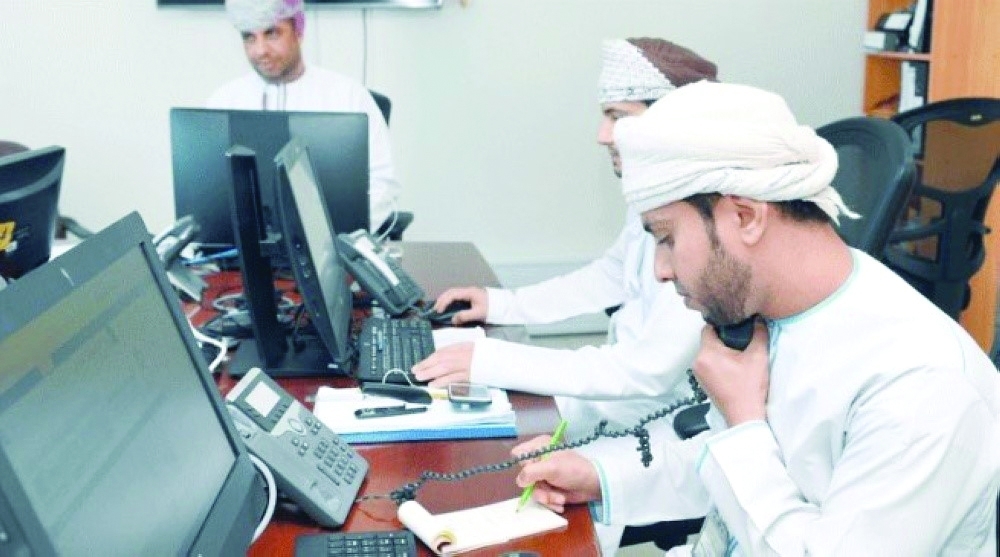
Data centres are not places most of us will ever enter. They are windowless buildings, humming with servers, holding the fragments of our lives: emails, photographs, contracts and histories. Using sunlight to power even a small part of something is to change an invisible yet essential aspect. The hum remains, but its source bends towards a different future.
The week also carried a number that lingers in my mind: 11.5 per cent. That is the share of Oman’s electricity now produced from renewables. The figure may appear slight, yet it changes how we read the grid. For the first time, clean energy has moved from ambition into a daily current, flowing through homes and offices in the background of ordinary life.
Sitting with that number, I feel myself divided between both hope and hesitation. Hope, because double digits mark a step change. Hesitation, because 11.5 is fragile, dependent on projects that must survive cost, scale and politics. Progress rarely arrives as a steady climb. It moves in bursts and pauses, in trials and adjustments.
When I think back to those fisheries conversations, I recall the shock of deep water and how improbable it seemed to link it with a server room. Today, the connection is with the sun overhead, a resource that feels both abundant and merciless. Oman is not cooling its servers with the sea, but it is beginning to power them with light. Different element, same pursuit: to align what sustains us with what connects us.
Elsewhere, others are attempting similar alignments. In Scandinavia, servers are cooled by fjords. In Morocco, solar stretches across the desert to feed European grids. In the Gulf, turbines rise against coastal winds. Each country marries digital and natural infrastructure in its own way, each answer shaped by place. Oman’s story will not mirror theirs, but it will echo.
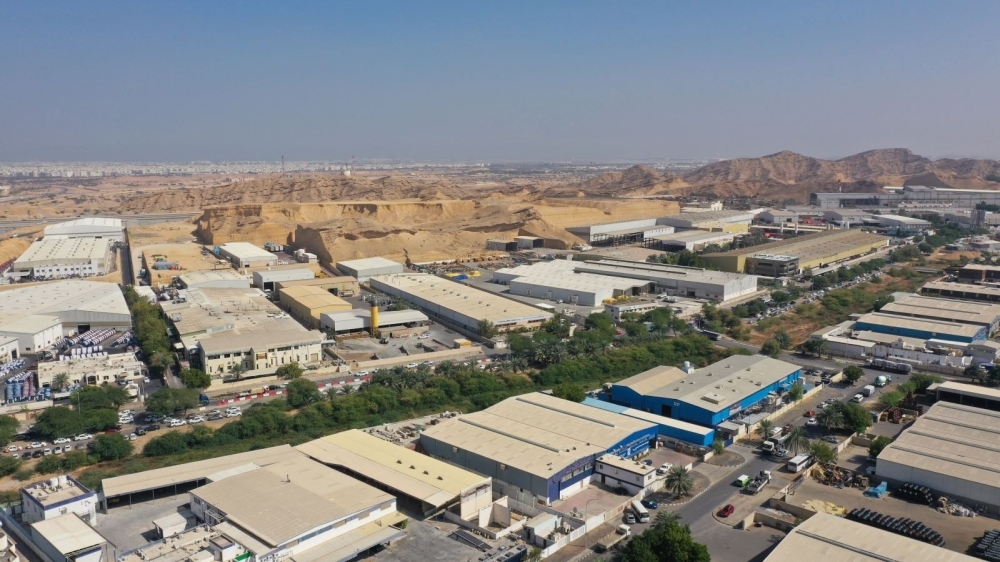
The deep water is still out there, waiting. The sun, meanwhile, has been harnessed to servers in Knowledge Oasis. Neither is a revolution on its own. Together, they remind me that progress is less about perfection than about drawing from what surrounds us. For now, the figure is 11.5. And that is enough to make me pause.
Rumaitha al BusaidinThe writer is environmental strategist and advocate for sustainable development.
Oman Observer is now on the WhatsApp channel. Click here