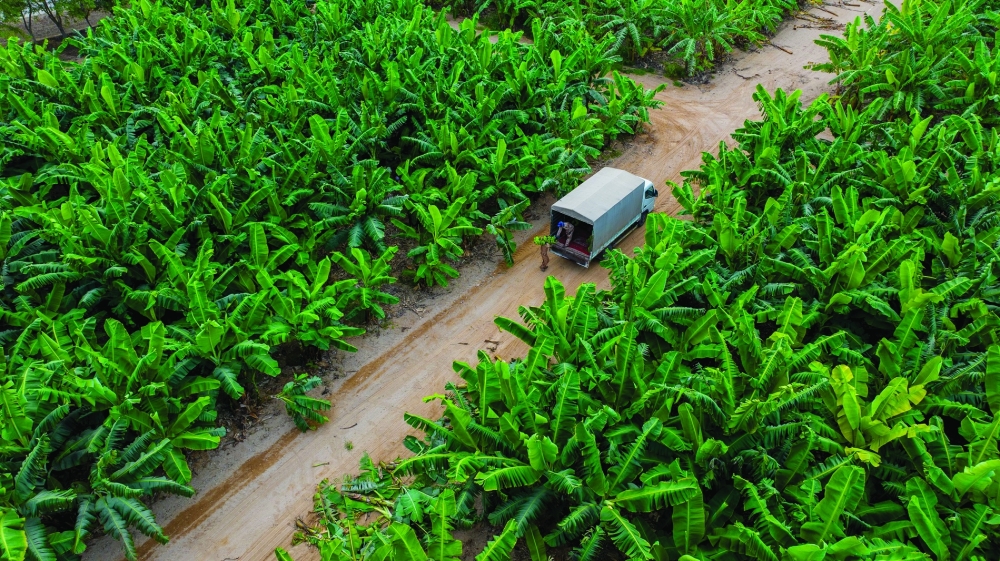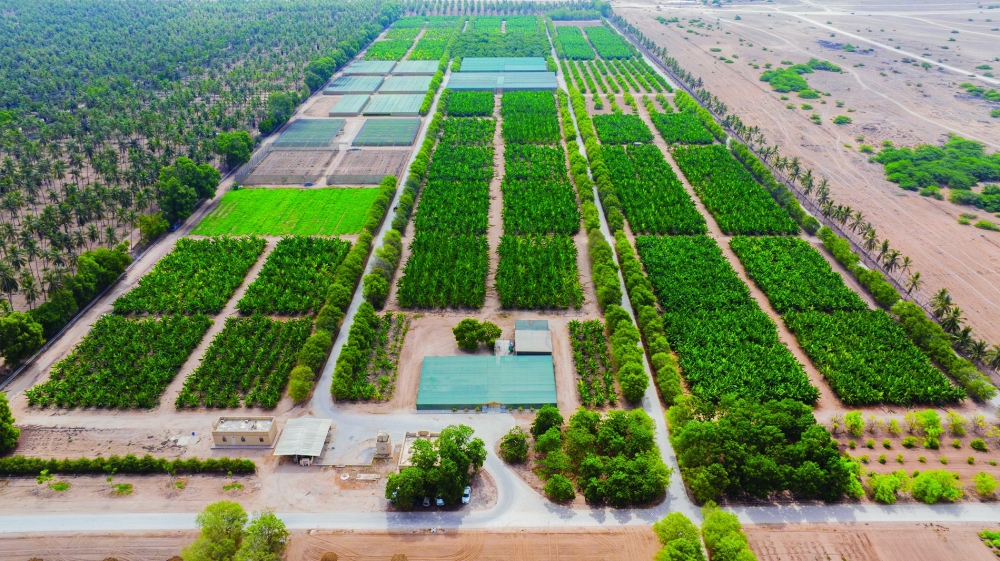





Razat Royal Farm, located in the Wilayat of Salalah, Dhofar Governorate, has opened a new tourist trail to visitors. This trail allows guests to explore the farm’s diverse agricultural spaces, tropical and ancient trees, and various farm products, making it a comprehensive tourist destination managed with precise technical and scientific standards.
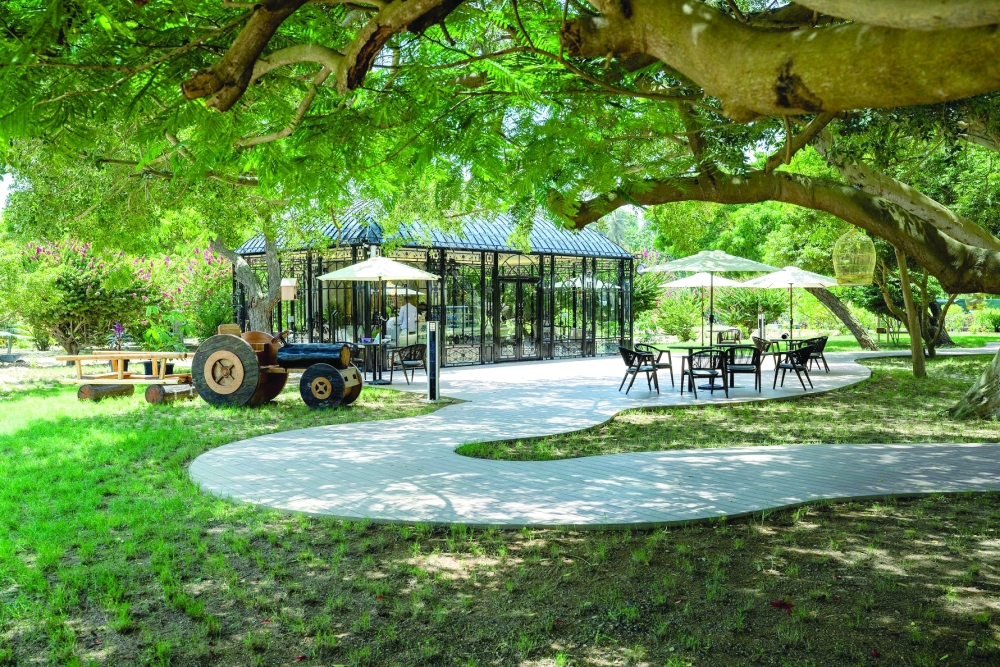
Guided by tour guides, visitors can journey through different stations introducing them to various crops and plants. The trail culminates in an integrated station that brings together all aspects of the farm in one location, complete with rest facilities and services.
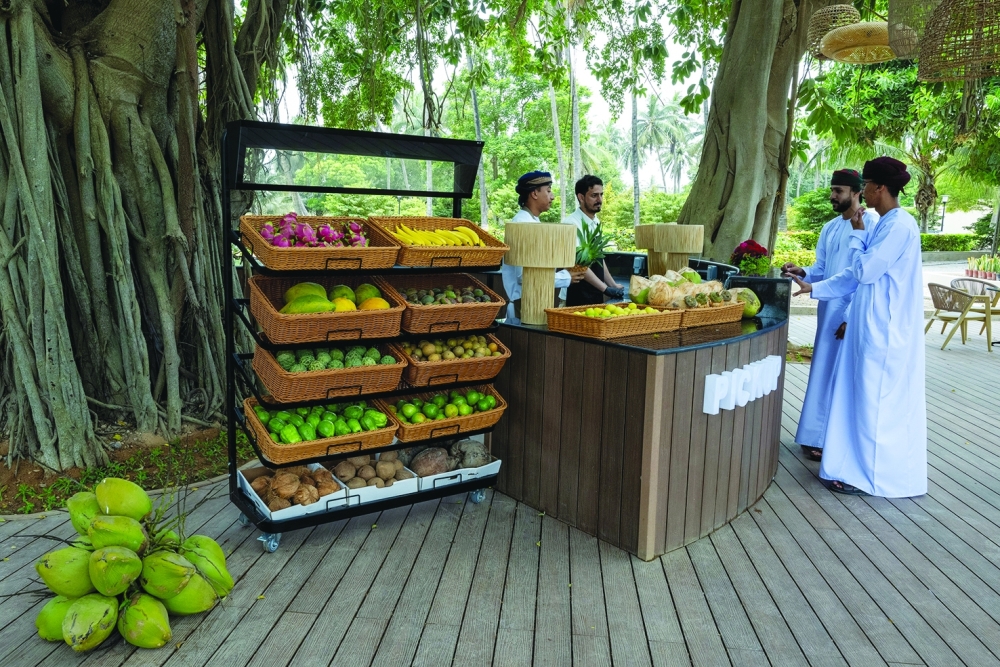
The opening of this trail reflects a broader commitment to supporting agritourism and enhancing food security. The Royal Court Affairs has ensured that the tourist trail provides an enriching experience for visitors while highlighting agriculture’s role as a pillar of sustainable development.
Razat Royal Farm, located on Sultan Qaboos Street in the eastern part of Salalah, spans approximately 1,085 acres, with 900 acres under cultivation. It is one of the most prominent sites under the Royal Court Affairs, combining agricultural production with ecological and historical diversity.
The farm boasts a wide variety of trees, including bananas such as the “Razat” banana, a banana gene bank, and a ripening unit. Additionally, it is home to coconut, papaya, grape, fig, custard apple and Omani lemon trees, as well as various tropical and subtropical fruits and vegetables.
Indigenous trees like frankincense and fig, as well as ancient species like baobab, giant ficus and tamarind, can also be found on the farm. Medicinal and aromatic plants like turmeric, ginger and basil are present as well.
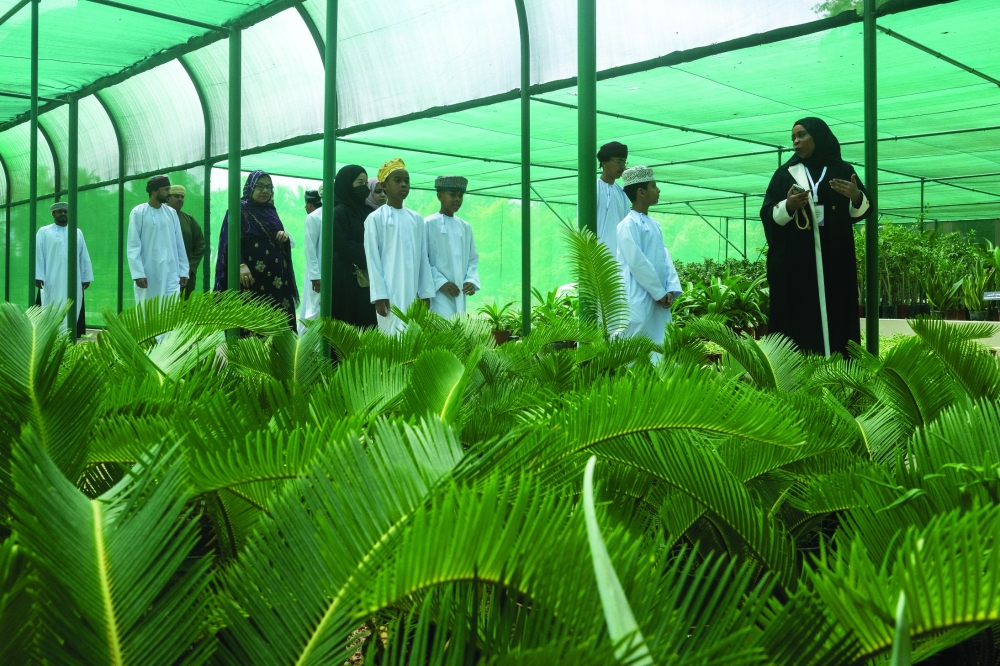
The farm serves as a sanctuary for birds and features a historic agricultural jar dating back to the era of Sultan Said bin Taimour. Irrigation is provided by the Razat spring through a network of traditional and modern aflaj (irrigation channels).
The farm’s commitment to agricultural diversification is evident in its cultivation of various types of trees, with bananas being the most prominent, followed by coconut trees, papaya trees, figs, grapes, musta’fal, and other fruits. The Razat banana variety, a result of a natural mutation discovered on the farm, has been developed after over seven years of study.

To preserve diverse banana genes and showcase different varieties to visitors, the farm specialists have created an agricultural site with 11 banana seedlings, including the William banana, Razat banana, Clicuto banana, Dwarf Cavendish banana, Balbosiana banana and the local Salalah banana.
The farm also includes a dedicated banana ripening unit, which was visited by His Majesty Sultan Haitham bin Tarik in 2023.
Oman Observer is now on the WhatsApp channel. Click here