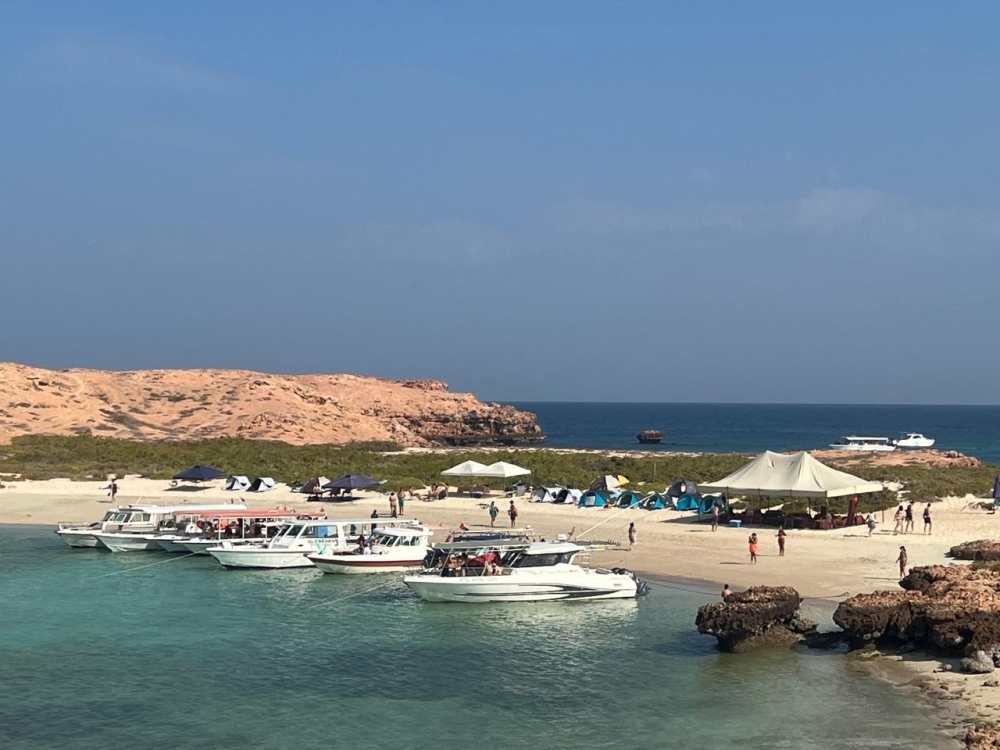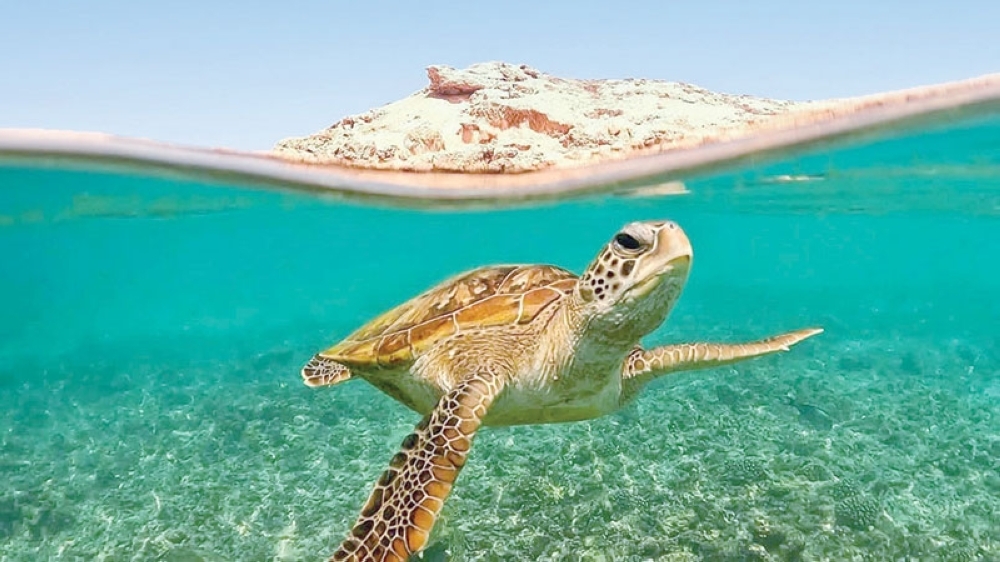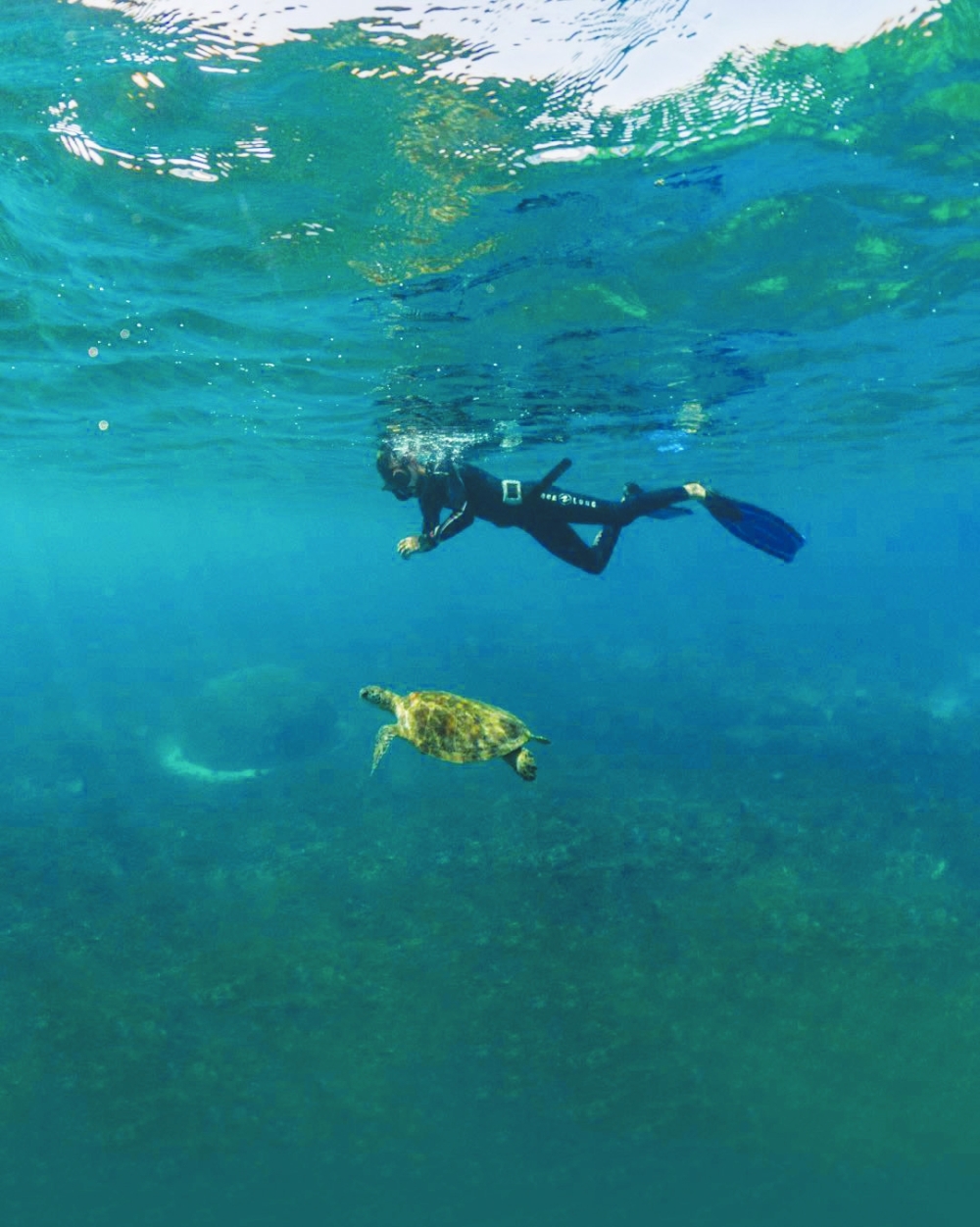





I wasn’t planning to swim with sea turtles when I headed to Oman — honestly, I just wanted to go scuba diving. But what happened on that day at the Dimaniyat Islands turned out to be one of the most memorable experiences I’ve ever had in the water. It was a perfect reminder that sometimes, the best wildlife encounters aren’t about chasing after animals, but about respecting their space and letting nature take the lead.
My interest in Oman’s underwater world started partly out of curiosity. I’ve heard about the country’s stunning coral reefs and clear waters, but I’d never actually thought about scuba diving there until I spoke to some friends who worked in Muscat. They told me about the Dimaniyat Islands, a marine reserve not far from the city, which is known for its healthy reefs and occasional visits from whale sharks and turtles.
When I managed to get back to Muscat for a short visit, I made sure to book a trip with SeaOman, a well-known diving outfit based at Al Mouj Marina. The area is quite fancy — a marina full of luxury boats, high-end hotels, and super posh vibes. It’s lovely if you like that kind of thing, although it can feel a bit out of reach financially if you’re travelling on your own. Still, I managed to find a decent Airbnb that was not too pricey, so I could stay within the marina complex and not risk missing the boat.
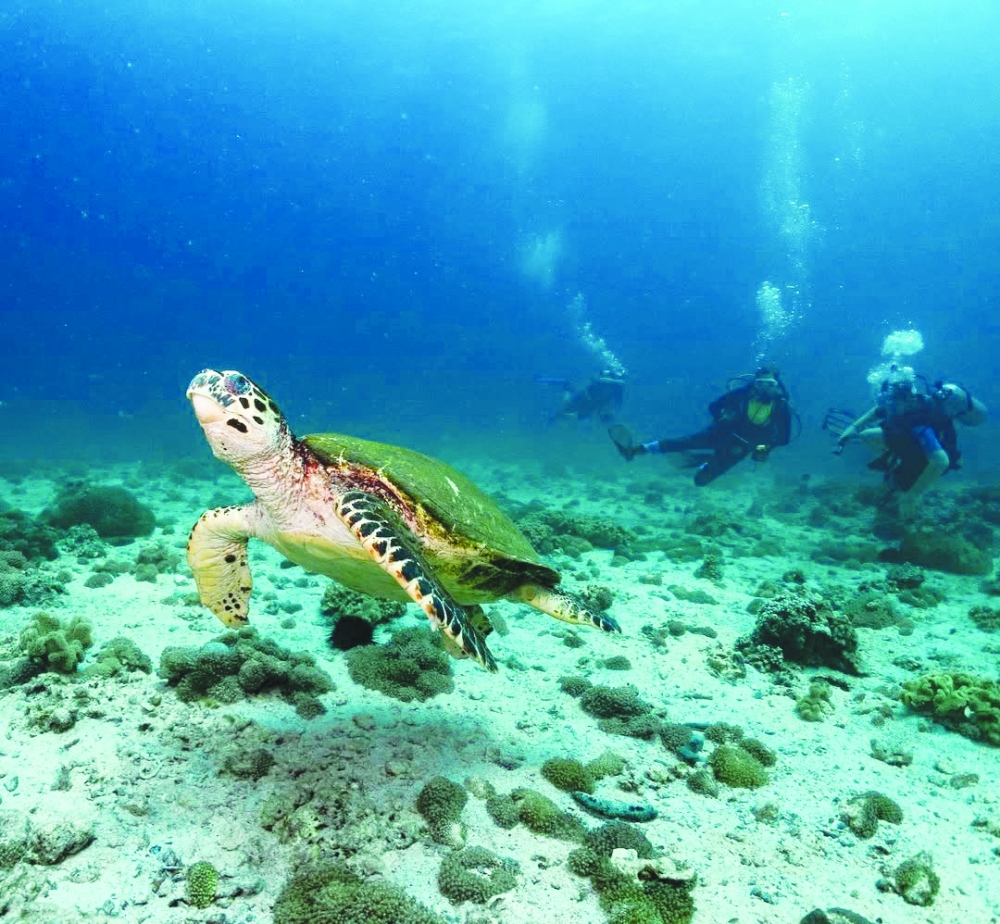
Unfortunately, I didn’t get to do the scuba dive I’d hoped for. When I arrived at the boat, the crew told us they’d switched all their trips to whale shark sightings because there had been recent reports of big sharks swimming around nearby. I was a bit disappointed — whale sharks are incredible, but I had already seen them in the Maldives, and I was really looking forward to exploring the coral reefs and hopefully swimming with turtles.
Anyway, we set out, and eventually, the boat stopped at the whale shark spot, but there was nothing there. No sharks. Our guide called it off, and we headed to plan B — snorkelling around the island’s turtle sanctuary.
I didn’t know what to expect from the Dimaniyat Islands. I’ve snorkelled in coral reefs in Southeast Asia and the Maldives, and I’ve seen some pretty spectacular stuff. When I slipped into the water, I was stunned. The corals weren’t bleached or damaged — they looked almost untouched. Bright pinks, browns, oranges and yellows covered the reef like a colourful carpet. Small fish darted around in schools, and I could see larger surgeonfish foraging along the rocks. There was a real diversity of life, all thriving in a protected environment. It made me realise how vital these marine reserves are — no resorts fingered the islands, and boats were limited, which clearly helped.
The main reason the snorkelling trip had taken us to this spot was the hope of seeing a turtle or two. The island nearby is a well-known nesting site, especially during July to October. But during nesting season, humans are strictly forbidden from going near the beaches to avoid disturbing the turtles.
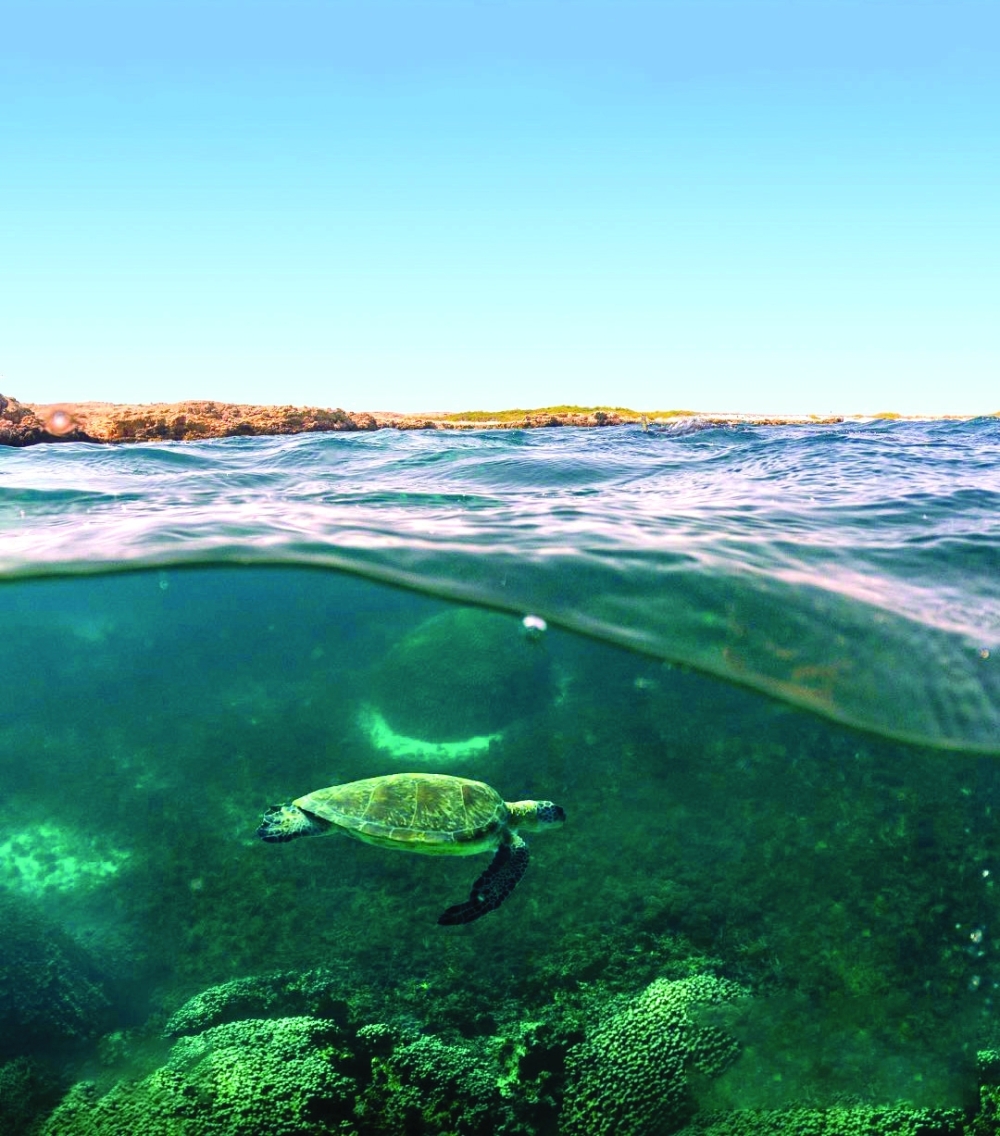
On the day I was there, the water was calm and inviting. I kept an eye on the others, but decided to drift away from the crowd a little, aiming to explore a different part of the reef. I’ve encountered turtles before, and I’ve learned that the best way to see them isn’t to chase after them but to be patient and respectful.
So, I moved slowly, approaching gently, and stayed a bit back from the turtles I saw. Thinking back to what I’d been told — that wildlife should be observed, not chased or grabbed — I made sure not to make any sudden movements.
And then, quite unexpectedly, I saw one turtle turn and start swimming towards me. It was curious. I froze and stayed still, just floating there as it slowly made its way closer. It was floating around me, calmly checking me out — not stressed, not bothered. That’s when I realised the real beauty: if you’re calm and respectful, animals often decide to come to you.
Why Being Ethical Matters
That encounter made me think about how important it is to observe marine wildlife ethically. Turtles, like many creatures in the ocean, can get really stressed if people bother them or try to touch them. Touching them disrupts their natural oils and protective mucus, which can cause infections. If animals get scared or annoyed, they might avoid their feeding or resting spots — which can lead to health issues or even affect their ability to reproduce.
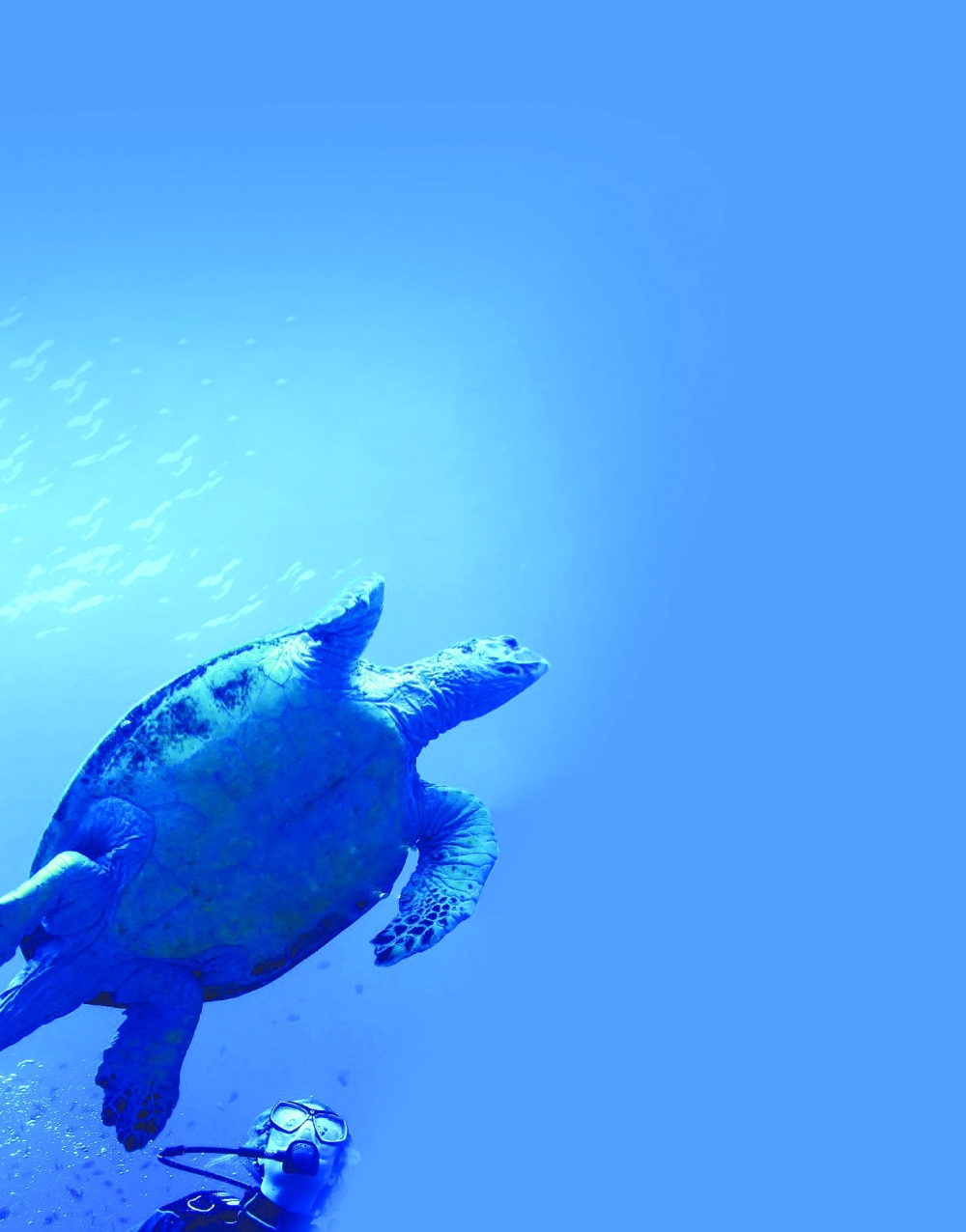
Plus, these animals don’t belong to us. We’re visitors in their home, and it’s our job to leave as little impact as possible. Respectful, patient observation helps us appreciate wildlife without harming it — a principle upheld by marine conservationists around the world.
That turtle I came face-to-face with didn’t swim away or ignore me. Instead, it continued to explore around me, seeming perfectly at ease. I stayed very still, watching it glide in the clear water, feeling a deep connection with this incredible creature. That moment made me realise how much richer and more authentic wildlife encounters are when done ethically. It’s not about getting the perfect photo of a turtle, but about allowing nature to reveal itself in its own time, at its own pace.
The truth is, this experience wasn’t just about seeing a turtle — it was about understanding that we are visitors in their world. Observing wildlife in a way that doesn’t disturb them isn’t just respectful; it’s essential. As tourists and nature lovers, we have a responsibility to keep our impact minimal, helping conserve these fragile ecosystems for future generations.
By the end of the snorkel, I felt grateful for the opportunity. I’d been lucky to witness a healthy reef and to share a quiet, intimate moment with a turtle that chose to approach me. It struck me that if more people understood how to approach wildlife calmly and ethically, the oceans could remain vibrant and full of life.
Oman Observer is now on the WhatsApp channel. Click here