Value creation that resonates with heritage enhances cultural continuity. In Dhofar Governorate, the harvesting of frankincense, the dhows and Bedouin dairy traditions, along with stonework, evolve beyond stagnant museum artefacts. They transform into modern business models such as perfumeries, boutique lodges, culinary brands and heritage restoration firms.
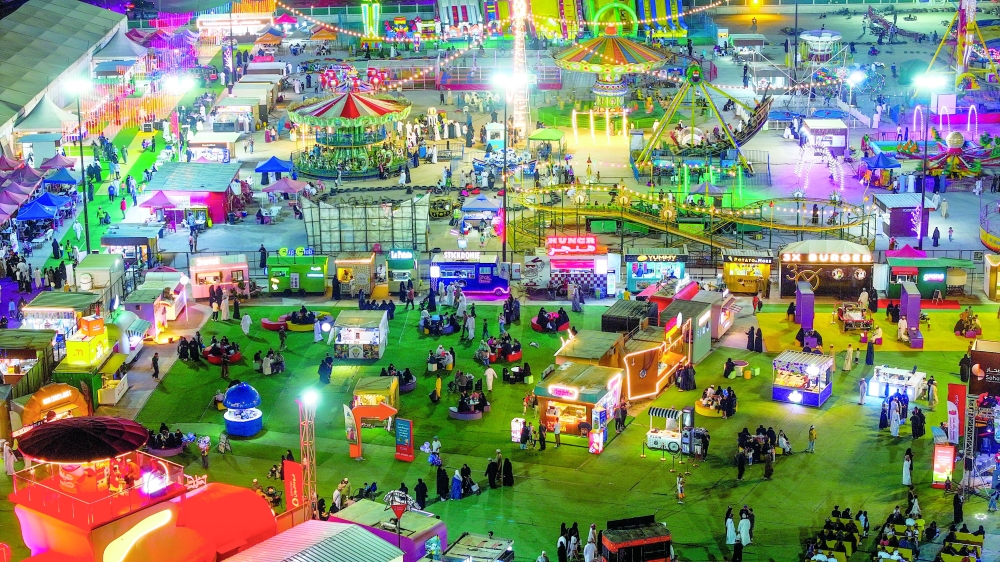
Khareef is the season for families to come together. People start to arrange family gatherings months before. Local businesses like tailors and perfume shops extend their working hours. There are also pop-up stalls at the market which sell fresh coconuts and bananas, sugarcane juice and mahyawea bread. Khareef offers the perfect blend of escape and a sense of home for tourists and their loved ones.
This marks it as a season for new service innovations. Local businesses have also started experimenting with services such as eco-lodges and food trucks. This allows the season to work as a testing ground for the rest of the year.
The Khareef Experience
Tier One: Outings and Thematic Areas
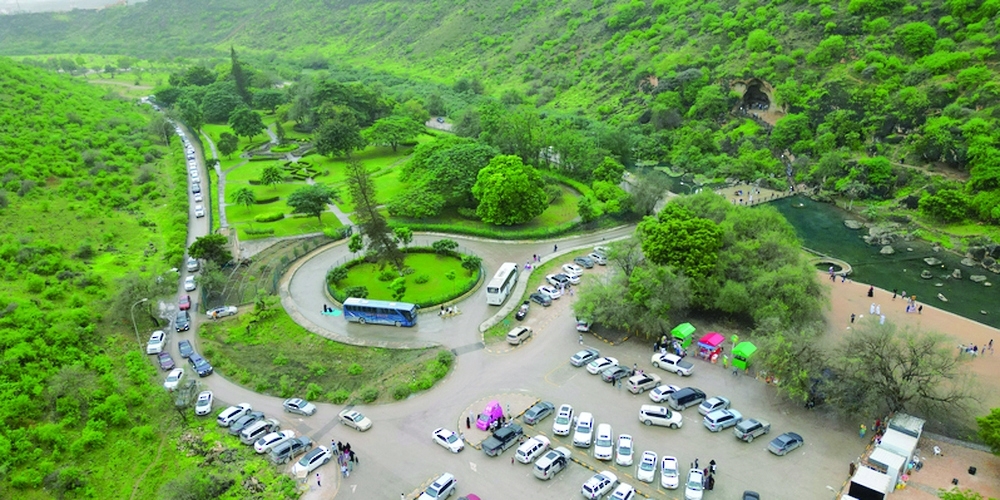
•Wadi Darbat: A scenic place which consists of vast green fields, a lake like in gorges and sub-karst cliffs.
•Jabal Samhan: impressive straight line coastal along with steep cliffs.
•Mughsail Beach and Blowholes: Seawater gives a blue-grey show as it breathes out through limestone holes while the surrounding cliffs include concealed caves.
•Ayn Khor and Ayn Athum. Mesmerising waterfalls concealed by mossy rocks are best visited at the peak of the season.
Culture and markets
•Al Haffa Souq. Myrrh and frankincense, as well as perfumes, textiles and silversmithing.
•Salalah Old Port vicinity. Informal seafood stalls, coconut stands and family-run grills.
•Traditional Music and Dance. Dhofari music and the Bar’a sword dance appear at festivals and weddings.
Everyday Delights
Coconut stands on Al Haffa Road, local dairy ghee, yoghurt shaped by Dhofari pastures, and fresh puffs of charred flatbread from bread ovens.
Driving through the sunrise as the mist fades reveals a freshly stitched green landscape.
Khareef isn’t just about the beauty; it’s about the journey. Lookouts, car shade awnings and tea makers bubbling charcoal while the air is cool encourage longer, more meaningful conversations.
Local Value
Oman combines regulation, incentives and building capacity:
•In-Country Value (ICV) policies, procurement scoring and designated incentives that encourage and reward bidders who use local goods, services and workforce development.
•Industrial Estates and Free Zones: Salalah Free Zone, Raysut Industrial City and others that reduce red tape while providing industrial ports and utility access to investors.
•Training and Omanisation: balanced policies that stimulate demand for skilled positions, structured pathways to train citizens and balanced policies to meet employment goals.
• SMEs help: funding, mentorship, procurement opportunities, set up through specific organisations and financial institutions, including special purpose banks and incubators.
• Quality and standards infrastructure: laboratories and certification bodies assist local manufacturers to achieve minimum thresholds required for exports, essential for food items, cosmetics and pharmaceutical goods.
Tourism As A Value Multiplier
The influx of money from visitors translates into increased spending at hotels and restaurants, with tour guides, fuel vendors, artisans, farmers and event planners also benefiting. The more these businesses are Omani-owned and Omani-staffed, the greater the local value capture. Local purchasing policies in hotels and restaurants to supply milk from Dhofari farms, fish from local cooperatives, and horticultural produce from local farmers translate visitor expenditure into rural income.
This season also stimulates micro-business initiatives, including shuttle vans to waterfalls, coffee kiosks at scenic viewpoints, family-run picnic supply rentals and guided walks.
The Frankincense Trade
When discussing the city of Salalah, one must consider that frankincense, the aromatic resin harvested from Boswellia sacra trees. Frankincense was traded for centuries, with people bringing it to the Mediterranean, the Indian subcontinent and other places. Salalah was in close proximity with other sites like Sumhuram (Khor Rori) and Shisr (Ubar) which emitted frankincense.
Essential oil and perfume makers, as well as locals, sell frankincense and other oils to tourists as a scent that links place and memory. The monsoon season is vital to the economy, supporting agriculture, the oil industry, and attracting tourists.
Oman Observer is now on the WhatsApp channel. Click here