




SALALAH, AUG 12
A thin mist clings to the emerald slopes of Dhofar’s mountains, drifting slowly over pastures heavy with monsoon rain. The steady patter of drizzle softens the distant cowbells as a lone herder, wrapped in a weathered cloak, guides his flock toward higher ground.
For him — and for generations before — this is the season of movement, when rain’s blessing can also be a burden.
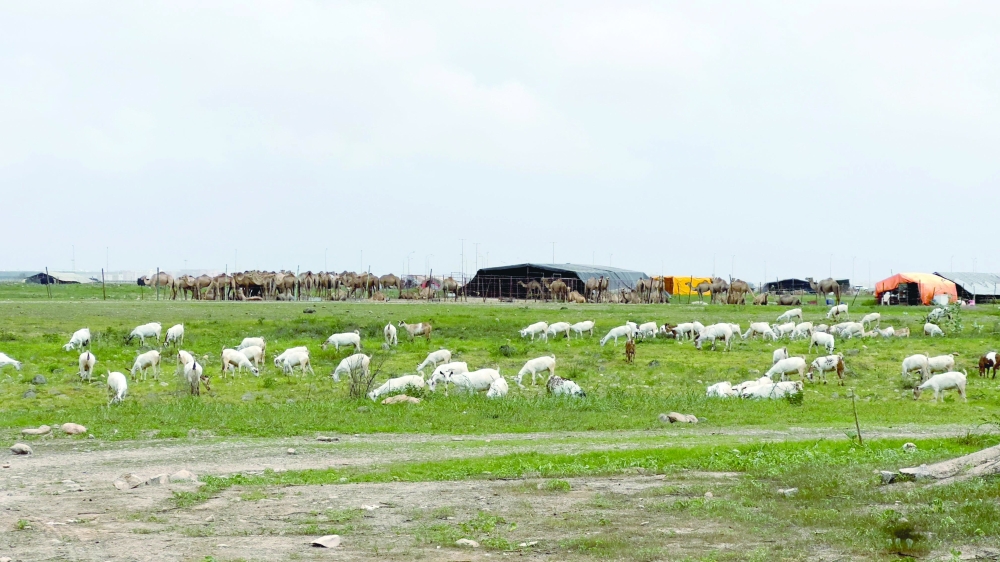
In the rugged highlands of Dhofar, herders continue a centuries-old tradition — relocating their animals to drier ground in a seasonal migration known locally as 'escaping the rain.'
“For as long as we can remember, livestock — whether cattle, sheep, or camels — have been our lifeline,” says one herder, resting on a stone wall as his animals graze nearby. “They’re more than just income; they’re our security.”
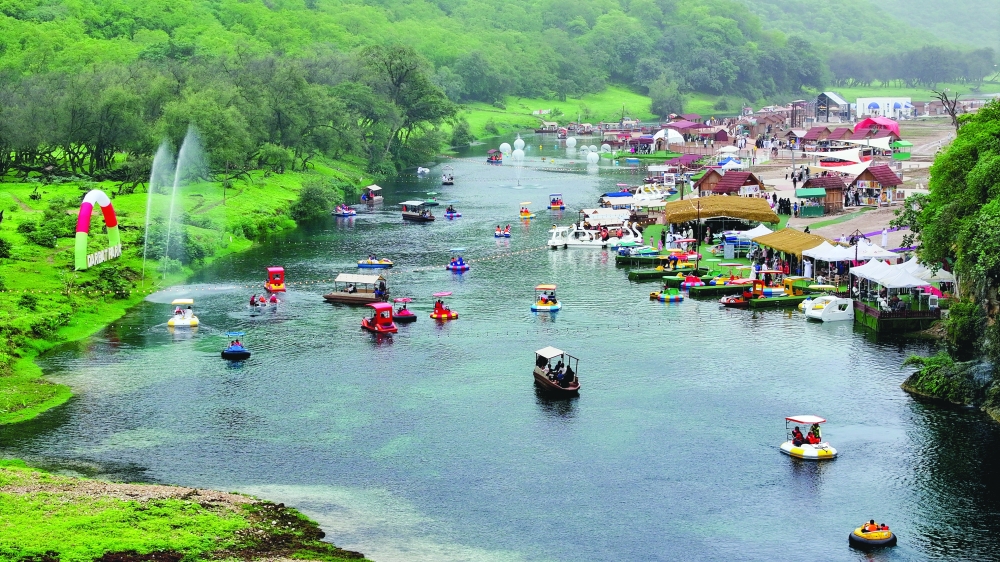
The khareef season, from June to September, brings steady drizzle and cool temperatures to Dhofar’s coastal and mountain areas, transforming the landscape into lush green hills. While thousands of tourists are drawn to the governorate, the monsoon also presents challenges for livestock herders.
Persistent rains saturate grazing lands, cause hoof diseases and hinder animals’ movement — especially camels and sheep. To protect their herds, families developed a seasonal migration pattern, moving livestock to drier areas such as the Najd plateau or open plains.
Historically, entire families relocated with their herds, living in temporary shelters for months. Today, migrations are more targeted, often involving only the herder and hired workers, as many families have settled permanently in towns and villages.
Livestock once formed the backbone of family livelihoods in Dhofar and much of the Arabian Peninsula. “Raising animals today costs more money and effort,” the herder explains. “Many families have moved to towns, and herd management has changed.”
As khareef rains approach, preparations begin. Some herders move animals to plains with lighter rainfall; others head to the Najd plateau or desert interior, where the weather is drier and more predictable. “In the old days, the whole family travelled with the animals,” he recalls. “Now it’s usually just the herder or a son, accompanied by workers. The rest stay in permanent homes.”
This seasonal relocation can last up to three months. Camels and sheep are kept in enclosed pens to shield them from constant rain, while cattle — better adapted to wet conditions — graze on mountainsides during drier parts of the day. “Cows handle rain and wet ground better than camels and sheep,” the herder notes.
Despite the costs and labour involved, livestock remain a form of wealth. “For us, they are like gold,” he says with a faint smile. “If hardship strikes, we can sell them. They demand money, time and care — but they are our safety net.”
Beyond practical needs, the khareef migration is woven into Dhofar’s cultural identity. It reflects the governorate’s deep connection to pastoral life, resilience through changing seasons and the view of livestock not just as animals but as living savings — assets sold only in times of true need.
Oman Observer is now on the WhatsApp channel. Click here