Israel’s decision to reoccupy Gaza after October 7 marks the most dramatic shift in Middle East policy since the Arab Spring. As someone who has observed this conflict for decades, I believe this decision represents not just a tactical response but a fundamental abandonment of containment strategy that creates new legal realities justifying the Palestinian resistance under international law.
The October 7 operation must be understood within 17 years of blockade that transformed Gaza into what UN Special Rapporteur Michael Lynk described as “an open-air prison.” The deliberate closure of political avenues for Palestinian liberation — from Oslo’s collapse to international acceptance of indefinite occupation — created conditions where violent resistance became, for many Palestinians, the only remaining option.
The legal framework is unambiguous. Under international law, specifically Article 1 of Additional Protocol I to the Geneva Conventions, peoples fighting colonial domination and foreign occupation have the right to self-determination, including through armed struggle when other means prove ineffective. While some states contest this interpretation, the principle remains embedded in international legal frameworks precisely because it reflects occupied peoples’ fundamental right to resist their oppressors.
Israel’s reoccupation represents a complete policy reversal. Previous operations — Cast Lead in 2008, Protective Edge in 2014, Guardian of the Walls in 2021 — aimed at degrading Hamas capabilities whilst maintaining blockade and limited engagement. Current reoccupation signals Israeli recognition that containment has fundamentally failed. Israeli officials now speak openly of “eliminating Hamas” and establishing long-term military control. These objectives require permanent occupation rather than periodic operations. This shift transforms the legal landscape, strengthening the case for legitimate resistance.
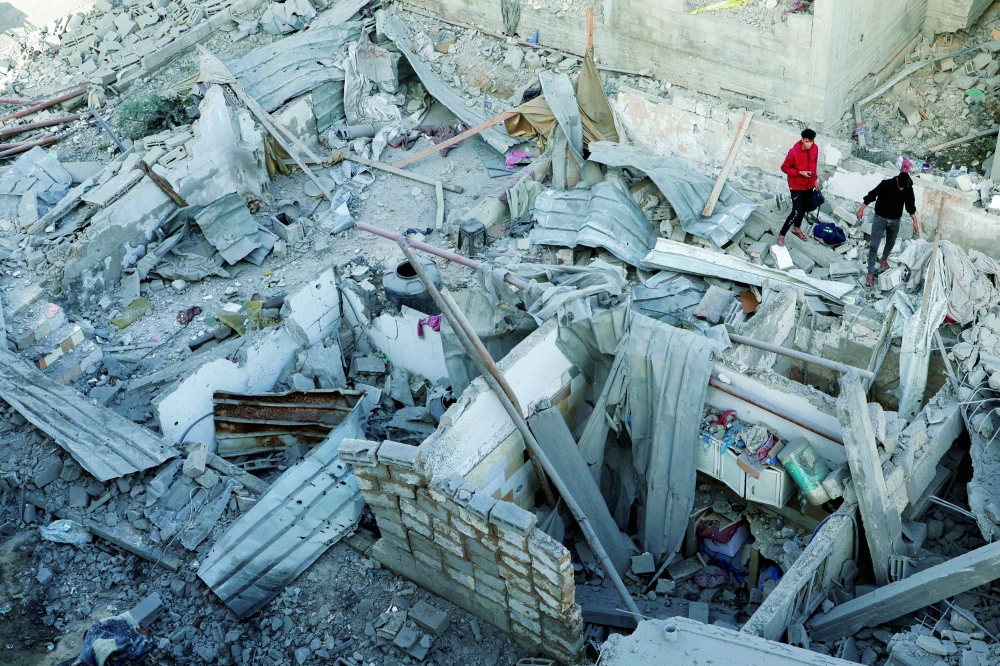
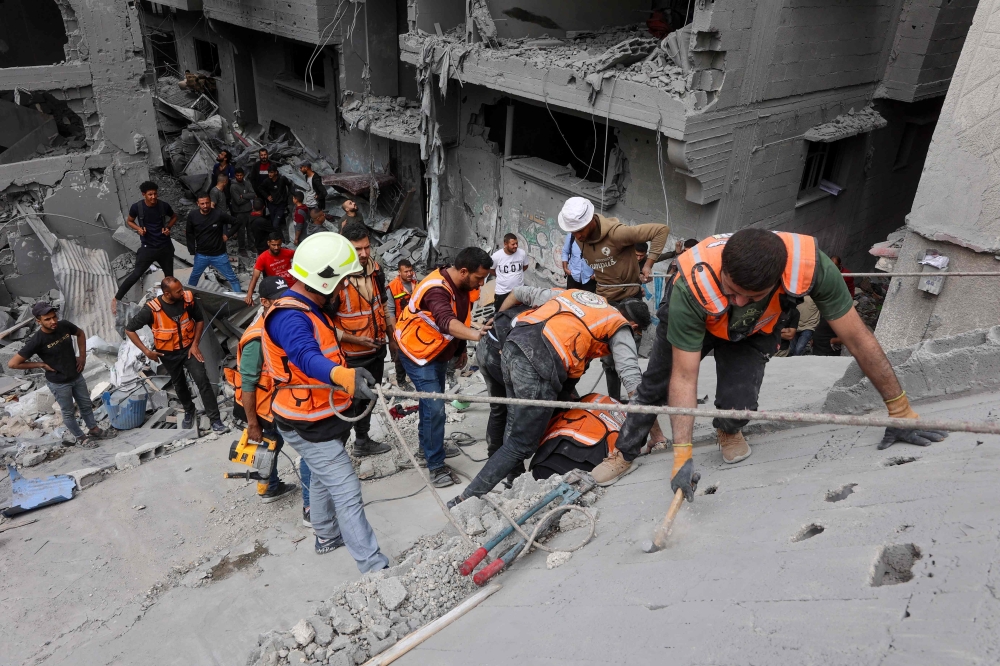
International humanitarian law’s principles of distinction and proportionality apply to all parties, including resistance movements. However, these same principles demand scrutiny of Israel’s reoccupation strategy, which has demonstrably failed both tests. By systematically targeting hospitals, schools and water treatment facilities, Israel violates Article 147 of the Fourth Geneva Convention — acts constituting war crimes. The International Court of Justice’s recent advisory opinion confirms that prolonged occupation with settlement policies violates international law. This makes reoccupation a clear breach of Article 43 of the Hague Regulations.
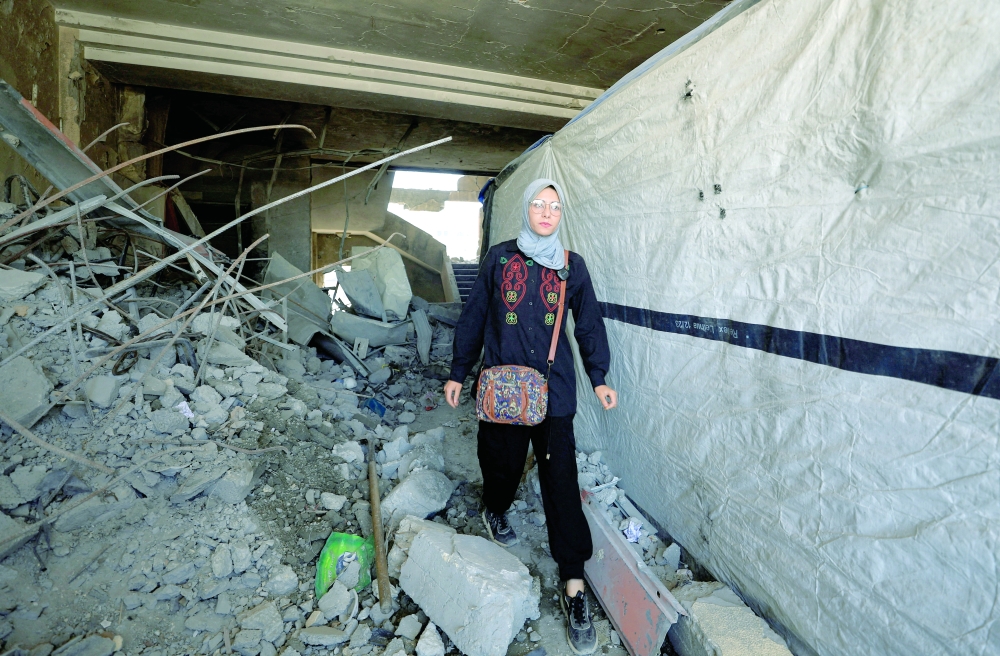
From a moral perspective, when occupying powers systematically violate international law, resistance becomes not just legally permissible but morally imperative. The human consequences of these legal violations are devastating. According to UN agencies, 1.9 million Palestinians have been displaced, 70 per cent of hospitals are non-functional and 90 per cent face acute food insecurity. This represents what international legal scholars increasingly recognise as weaponising basic necessities to facilitate reoccupation and long-term control.
The economic dimension reveals equally calculated destruction. Sara Roy’s seminal research on Gaza’s “de-development” demonstrates the systematic dismantling of Palestinian economic capacity to create dependency. Gaza’s fishing fleet was reduced from 15,000 to 4,000 workers through Israeli restrictions. Agricultural exports providing sustainable livelihoods have been banned or severely restricted. Reoccupation eliminates remaining economic independence to ensure Palestinian dependency on Israeli-controlled aid and governance. This constitutes collective punishment that international law explicitly prohibits, further justifying resistance.
Perhaps most troubling is international acquiescence to reoccupation. This undermines the very legal frameworks justifying the Palestinian resistance. Why is Ukrainian resistance to the Russian war celebrated as heroic while the Palestinian resistance to Israeli reoccupation condemned as terrorism? The United States provides Israel with $3.8 billion annually in military assistance, funding reoccupation operations against Palestinian civilians. European Union trade agreements continue despite the bloc’s own determination that Israeli settlements violate international law. Such policies make Western governments complicit in legitimising reoccupation whilst undermining institutions that recognise resistance rights.
Despite overwhelming disadvantage, the Palestinian resistance demonstrates remarkable resilience, reflecting their cause’s legal legitimacy. Hamas and other factions have developed sophisticated defensive capabilities challenging reoccupation forces. Their tunnel networks represent ingenuity of people exercising internationally recognised rights to resist renewed subjugation. This resistance enjoys growing regional solidarity, demonstrating that the “axis of resistance” will not accept reoccupation.
It bears emphasising that while resistance is legally justified, civilian protection remains paramount for all parties. International solidarity offers hope for supporting legally justified resistance. From university campuses to trade unions, the Boycott, Divestment and Sanctions movement gains momentum whilst South Africa’s International Court of Justice case signals growing institutional recognition that the Palestinian resistance deserves international support.
However, symbolic solidarity is insufficient. The international community must impose comprehensive sanctions on Israel, end military cooperation, and refuse recognition of reoccupation administration whilst explicitly acknowledging the Palestinian resistance rights. Only decisive action can prevent consolidation of illegal occupation and create conditions for genuine peace based on justice rather than domination.
The world’s response will determine whether international law is a shield for the oppressed or a tool for the powerful. The question is whether the world will stand with the occupier or with the occupied.
Oman Observer is now on the WhatsApp channel. Click here