As the world races to install more renewable energy, one question lingers in the background: what happens when the sun isn’t shining or the wind isn’t blowing?
In 2024, global renewable capacity additions hit a record 740 gigawatts, with solar power leading the charge. But while generation is booming, energy systems are still grappling with how to store that power reliably—and at scale. The answer, increasingly, lies in long-duration energy storage (LDES) technologies that go far beyond lithium-ion.
From molten salt to compressed air to next-gen thermal systems, LDES is reshaping the way we think about renewable power.
These systems aren’t just topping up the grid for a few hours; they’re designed to store clean energy for 10, 20, or even 100 hours, stabilising supply through nights, storms, and seasonal changes.
One of the most promising examples is Exowatt’s P3 system—a compact modular unit that captures solar heat and stores it thermally for round-the-clock power delivery. Designed with high-consumption clients like data centers and industrial zones in mind, P3 can deliver dispatchable renewable energy for up to 24 hours, with zero combustion and minimal land use. Other solutions, like Quidnet’s Geomechanical Pumped Storage, store pressure underground and return it as electricity months later—acting like a natural battery embedded in rock.
While still in early deployment, these technologies are beginning to show that the renewable future isn’t just about production—but predictable availability.
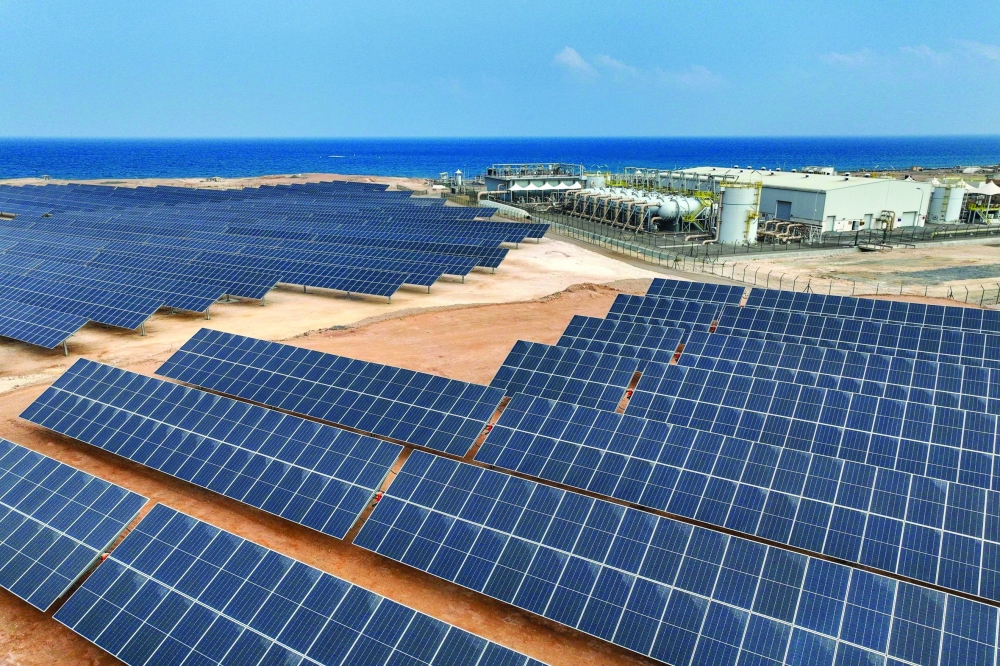
In Oman, where sunlight is abundant and energy demand peaks during hot evenings, long-duration storage is emerging as a natural extension of the country’s clean energy ambitions.
Alongside its expanding portfolio of solar and green hydrogen projects, Oman is preparing for its first utility-scale storage initiatives. Local firms like ONEIC and Takhzeen are advancing innovative technologies, including CO2-based energy storage, to enhance grid flexibility and accelerate decarbonisation. These early moves suggest that Oman is beginning to align renewable generation with the systems needed to deliver it—reliably, efficiently, and around the clock.
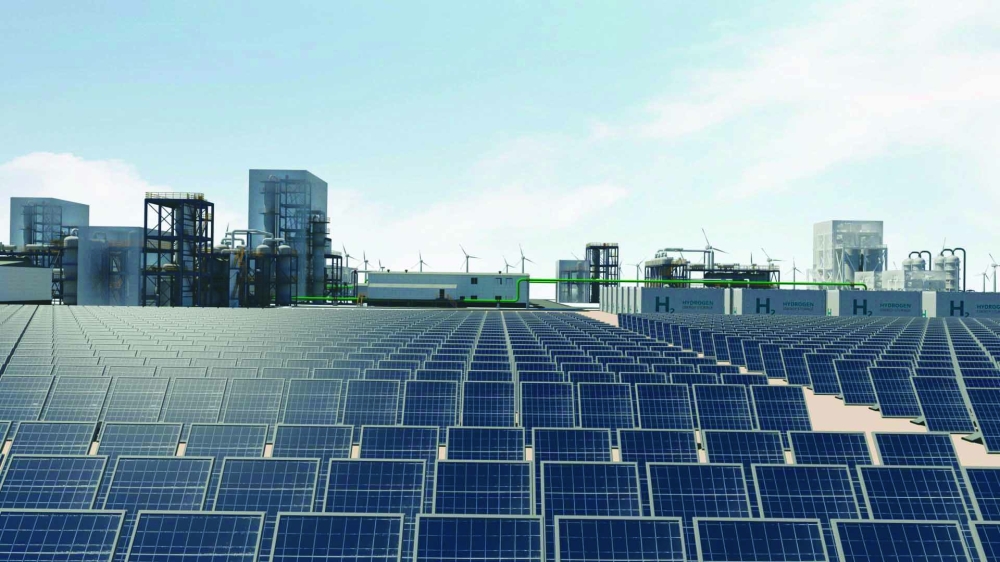
Long-duration storage also offers strong potential synergy with Oman’s emerging hydrogen economy. Excess solar power can be stored—or diverted into hydrogen production—during low-demand periods, creating a feedback loop between power and fuel that supports both resilience and export potential.
Globally, investment in LDES is expected to surpass $50 billion by 2030, and pilot programs are already showing cost competitiveness, especially as lithium-ion supply chains face pressure. As systems mature and deployment grows, these technologies could redefine energy security—not just as a matter of fuel supply, but as a function of time.
The sun doesn’t always shine. But with long-duration energy storage, the power it provides doesn’t have to set with it.
Oman Observer is now on the WhatsApp channel. Click here