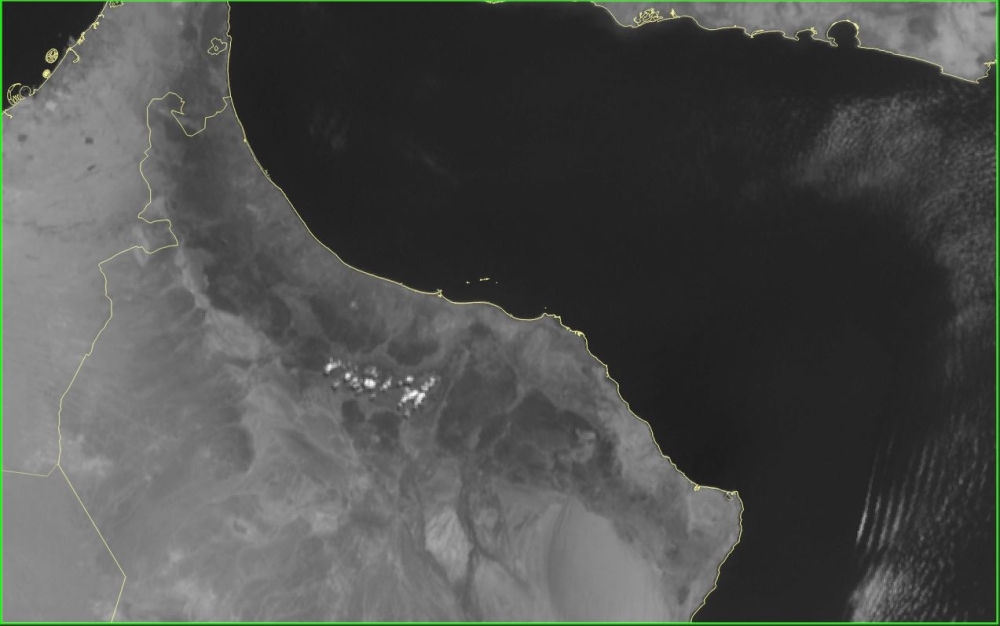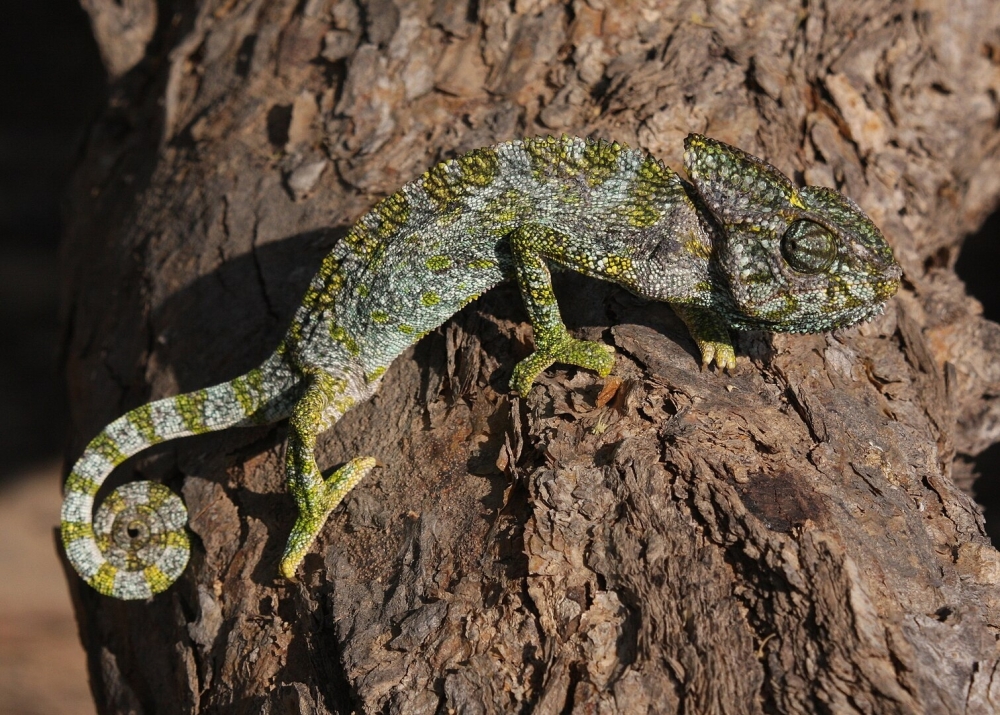





The Arabian Chameleon, a rare and distinctive creature in the Dhofar Mountains, though not endangered, faces local threats due to habitat loss, pollution, and poaching, according to the Environment Authority.
EA said it is strictly prohibited to capture, harm, or transport the Arabian Chameleon, or any living creature from its natural habitat, which is a violation of environmental laws, and the perpetrator is subject to legal accountability under the provisions of the Environmental Protection and Pollution Control Law.
The distinguishing features of the Arabian Chameleon are that its eyes move 360 degrees, its long, sticky tongue enables it to capture prey, its limbs resemble pincers for grasping branches, and its long tail helps it balance and cling. The Arabian chameleon is a species of chameleon native to the southern Arabian Peninsula, and during the monsoon season, it turns green.
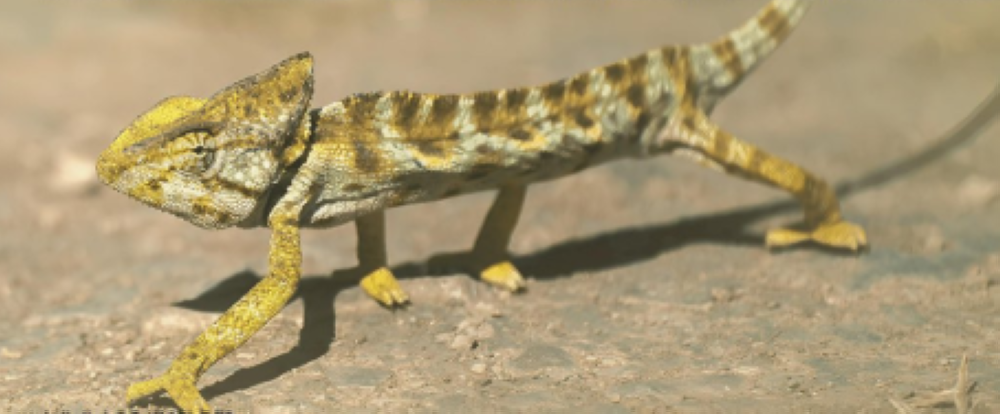
The Arabian Chameleon moves slowly and cautiously, vibrating to mimic the movement of leaves for camouflage.
It changes color for camouflage, regulates its body temperature, and expresses emotions such as anger and fear.
It feeds on Insects (grasshoppers, flies, beetles, spiders) and lays their eggs inside a hole in moist soil.
They hatch after an incubation period of 6 to 10 months. It is found in urban areas and agricultural lands.
Oman Observer is now on the WhatsApp channel. Click here