




SALALAH, AUG 10
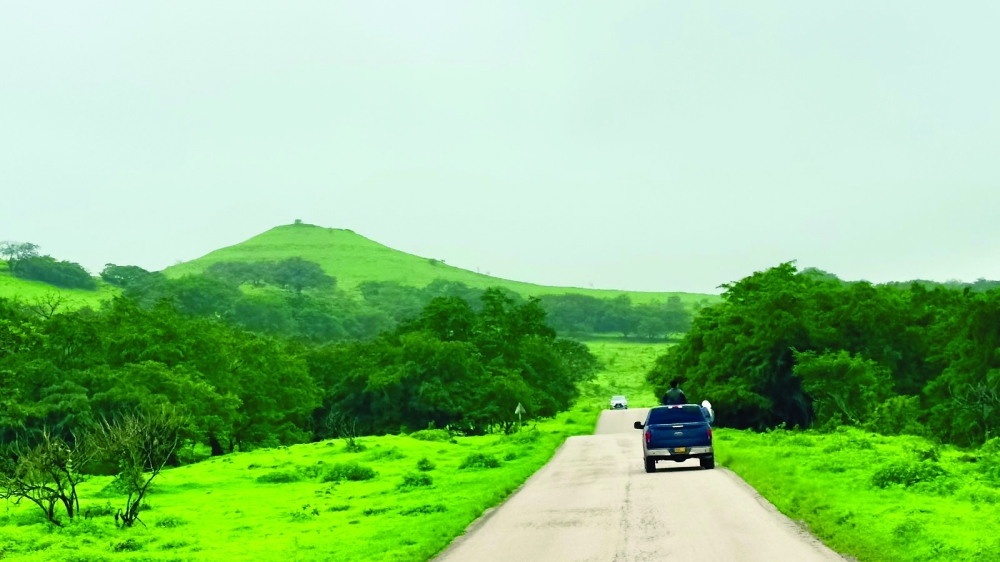
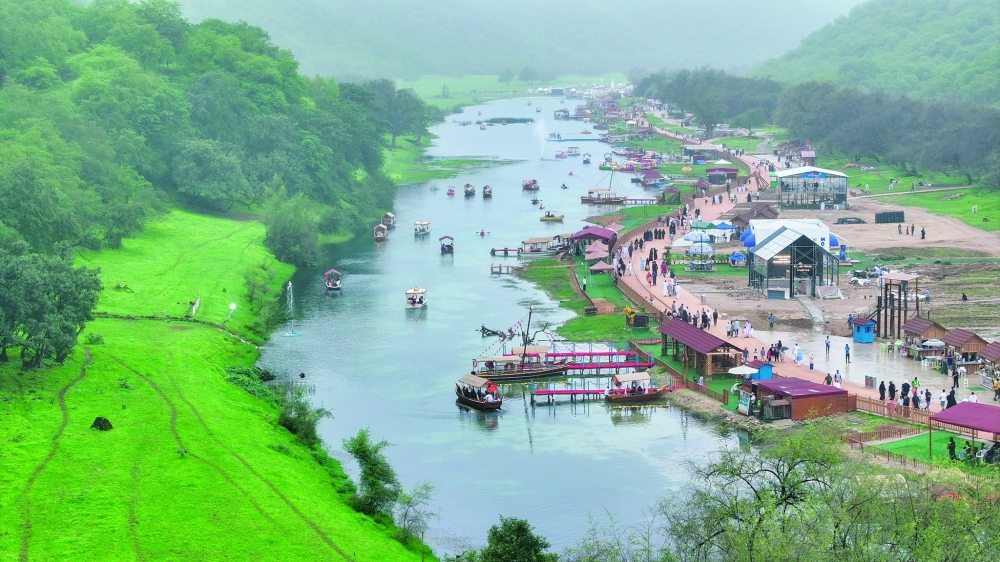
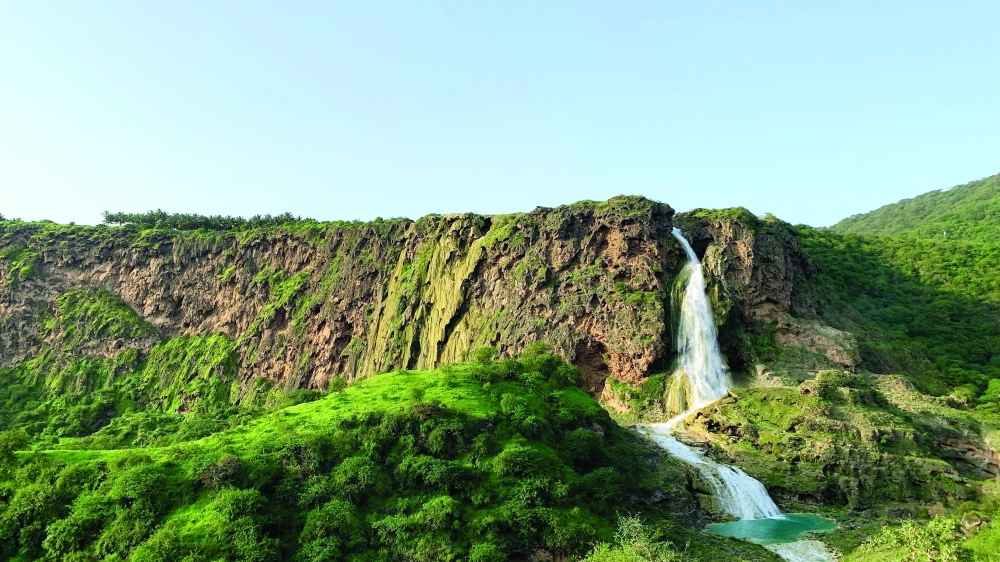
At dawn, mist clings to Wadi Darbat’s green slopes. Waterfalls spill into pools, their sound a familiar rhythm of Khareef Dhofar Season. Tourists gather for photographs, families picnic beneath ancient trees. But for those who knew the valley half a century ago, Darbat’s story is more than scenic beauty – it is one of survival, community, and an enduring link between nature and legend.
One of those voices is Khayar bint Salem Mahad, 85, regarded as a living witness to the valley’s past. She remembers when Darbat was the “food basket” for its people and for travellers passing between neighbouring regions.
“The land here was generous,” she recalls. “It gave bananas, papaya, lemons, wild olives – many fruits and vegetables that sustained life.”
Sweet potatoes and date palms were staples. There were no cars, no paved roads. People lived by barter – exchanging crops for grain, fruit for drink – keeping households and travellers nourished.
Among the families rooted in Darbat’s legacy was that of the late Shaikh Ahmed bin Ali al Maashani. His household, Khayar says, often supported local residents in times of scarcity.
But Darbat’s memory is not only agricultural. It carries strands of folklore – and the enduring belief in djinns. Khayar recounts a tale from the late 1940s:
A man from Al Shahri tribe, considered among the valley’s earliest inhabitants, claimed ownership of Darbat. When farmers refused to share their harvest, he allegedly appealed to djinns said to dwell there. According to the story, he told them: if the valley was truly his, let them take its water.
By morning, villagers say, the waterfalls had stopped, the water level dropping overnight. Whether coincidence or supernatural act, the event remains embedded in local oral history – a tale blending land disputes, community bonds and nature’s mysteries.
Half a century ago, seasonal rain and natural springs sustained farming. Generations planted what the land and climate allowed – bananas, citrus, root vegetables, palms – ensuring food security for surrounding communities.
Today, Darbat is one of Oman’s most visited natural attractions, drawing thousands from across Oman and the Gulf. Tourism fuels the economy but also strains the valley’s fragile ecosystem.
Authorities, including the Ministry of Agriculture, Fisheries and Water Resources and Dhofar Municipality, are working to protect native vegetation, rehabilitate farmland and safeguard biodiversity. Efforts include planting wild olive trees, managing water use and reducing seasonal overcrowding.
“Darbat is more than a picture-perfect view,” says one conservationist. “It is a living memory. If we lose its balance, we lose its soul.”
As khareef’s mist settles once more over Dhofar’s highlands, Wadi Darbat continues to flow through Oman’s heritage – a place where elders recall days of barter and self-sufficiency, where legend speaks of spirits guarding its waters and where its future depends on careful stewardship.
Oman Observer is now on the WhatsApp channel. Click here