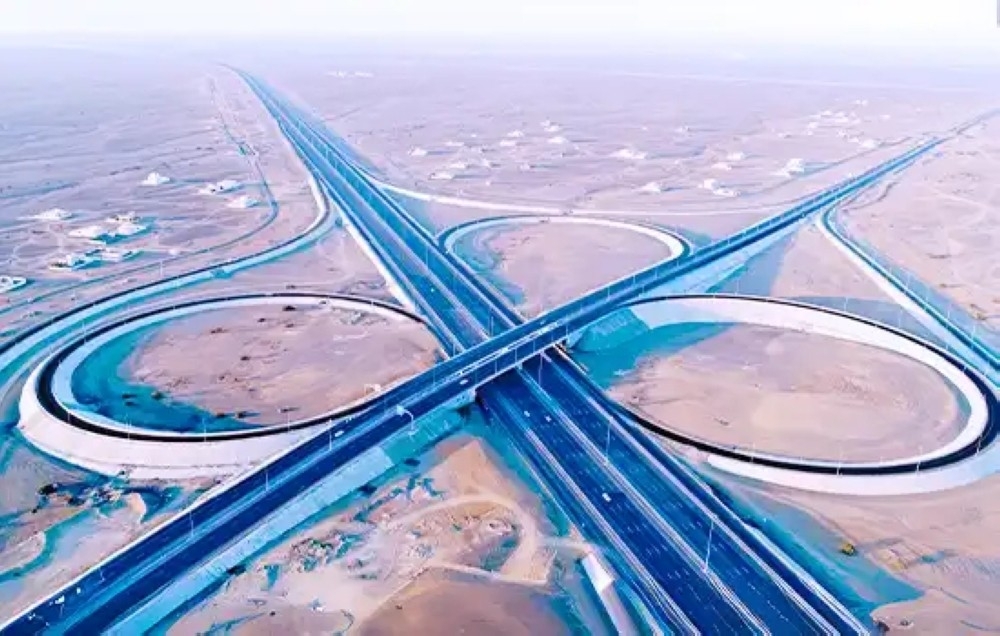
Whether teaching or lecturing, I would always have a ‘road map’ of my lessons on the board, so my students could see where they were going and what they would be doing and to be sure, I would begin my lessons by explaining the road map to them. That way, there was no confusion, no mystery and they had an ownership of the lesson and a part to play in its success. Clarity and certainty are fantastic agents of learning, answering so many questions before they are asked.
I regret to say that of late, the education sector is sending its ‘inmates’ down a rabbit warren, a dimly lit path to darkness, along and through which our pupils and students have little or no awareness of direction or destination. They don’t see the light at the end of the ‘tunnel’, because nobody has ever taken the time to explain their wider educational journey to them and that itself, is a rejection of pedagogy and education, teaching and learning at its most rudimentary and is the reason why I always had my ‘road maps’.
Contemporary educational structures feature four levels of progression, being preschool, primary, secondary and higher education. Preschool prepares our younger children for school by engaging with their socio-emotional, cognitive and physical development within a semi-structured social environment. They learn within an environment that nurtures language and communication, play and co-operation, creativity and problem-solving, curiosity and the ability to make choices. The children also gain their first experience of community, through common eat, rest and sleep periods.
These latter communal experiences have the objective of ‘habit conforming’, preparing the children for the structure and formality of primary school, which, as its name intimates, offers primary learning, in a class and classroom environment, in the basics they will need for their futures, which are often scathingly referred to in the old-fashioned way as ‘the three ‘r’s, “reading, writing and ‘rithmetic”. They will also be introduced to basic science, technology and the arts.
All these subjects are then developed further in the secondary school system, which usually integrates a greater mobility of learning in subject specific classrooms, with a greater diversity of teachers, teaching styles and demands.
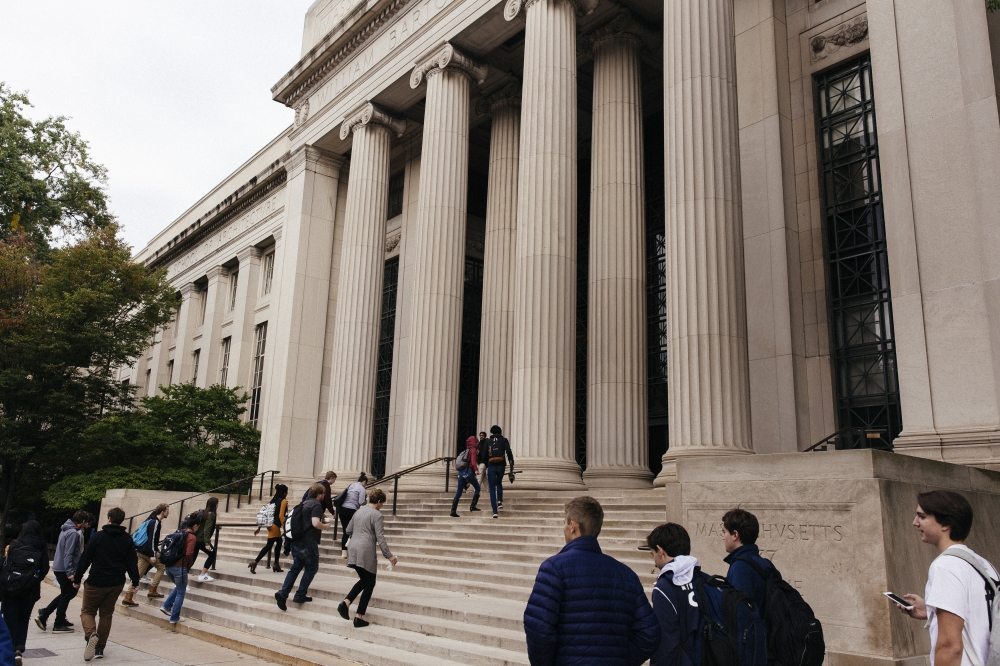
Higher education though is where, socially and intellectually, so much greater personal responsibility is thrust upon these adolescents and they are generally expected to just ‘know’, how colleges and universities function. For example, they must attend lectures, meet student advisors, complete assignments and meet acceptable academic standards. They must become effective listeners, note-takers, researchers and writers; and understand plagiarism, that wrecking ball of aspirations and reputations, because cheating, which is what it is, can scar them for life.
Having lived and worked across a diversity of educational environments, I can tell you... Nobody tells these kids what is coming, what are they there to learn, what are their obligations either to themselves, their parents, families, friends, classmates, schoolmates, communities or societies. They know nothing more than their big brothers or sisters tell them, or than they overhear.
They will not hear it at school, college or university when they arrive, as inductions and orientations tend to be more social and introductory by nature, rather than informative. Especially these institutions have largely become places not reflective of the societies they inhabit and that’s how they want it! Too many institutions prioritise control, not only behavioural, but intellectual. They want their ‘captives’ off balance and reliant upon the dominant influence at the front of the room, the teachers, because the institutional priority is less often the students and more often the ‘rankings’. To that end, they implement ‘teach to test’ practices, which is great for rankings, but lousy for learners.
Show them, tell them, but most importantly, be sure they understand what lies ahead of them... with no illusions... when they go to school. Make sure they have a ‘road map’.
The writer is a media consultant
Oman Observer is now on the WhatsApp channel. Click here