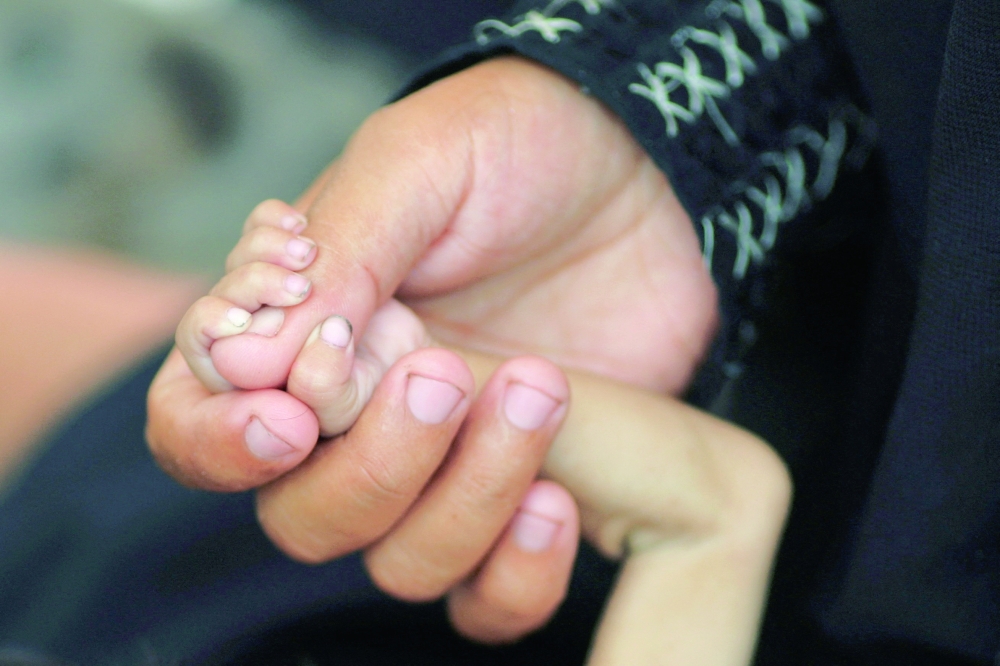





GAZA: Ibrahim al Najjar said he lost his five-year old son Naim to malnutrition that is ravaging Gaza. One year later, he is still grieving while scrambling to make sure his other children don’t suffer the same fate.
“This child will follow him,” the Palestinian former taxi driver said, pointing to his 10-year old son Farah. “For about a month he’s been falling unconscious. This child was once double the size he is now.”
Najjar, 43, held up a medical certificate that shows Naim died on March 28, 2024. The whole family has been displaced by nearly two years of Israeli air strikes.
The Najjars had been used to eating three meals a day before the war broke out in October 2023 - after Hamas attacked Israel - but now they can only dream of even simple foods such as bread, rice, fruit and vegetables.
Naim’s brother Adnan, 20, focuses on taking care of his other brothers, rising every morning at 5:30 am to wend his way gingerly through Gaza’s mountains of rubble to find a soup kitchen as war rages nearby.
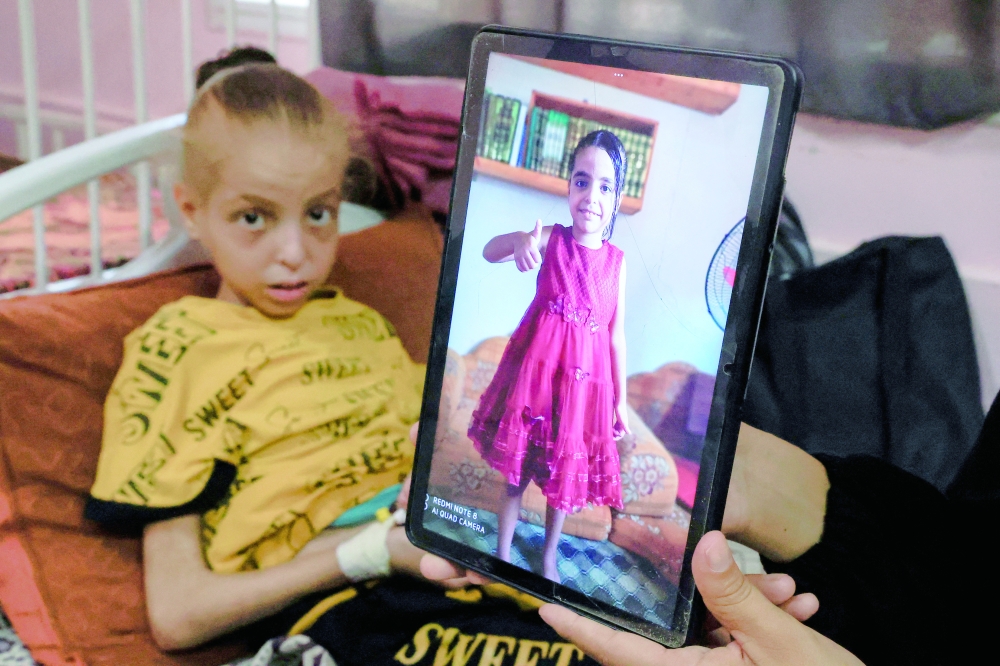
“I swear I don’t have salt at home, I swear I beg for a grain of salt,” said Naim’s mother Najwa, 40.
“People talk about Gaza, Gaza, Gaza. Come see the children of Gaza. Those who do not believe, come see how Gaza’s children are dying. We are not living, we are dying slowly,” she said.
Five more people died of malnutrition and starvation in the Gaza Strip in the previous 24 hours, the enclave’s health ministry said, raising the number of deaths from such causes to at least 193 Palestinians, including 96 children, since the war began.
A global hunger monitor has said a famine scenario is unfolding in the Gaza Strip, with starvation spreading, children under five dying of hunger-related causes and humanitarian access to the embattled enclave severely restricted.
And the warnings about starvation and malnutrition from aid agencies keep coming.
The United Nations Office for the Coordination of Humanitarian Affairs (OCHA) said food consumption across Gaza has declined to its lowest level since the onset of the war.
Eighty-one per cent of households in the tiny, crowded coastal territory of 2.2 million people reported poor food consumption, up from 33 per cent in April.
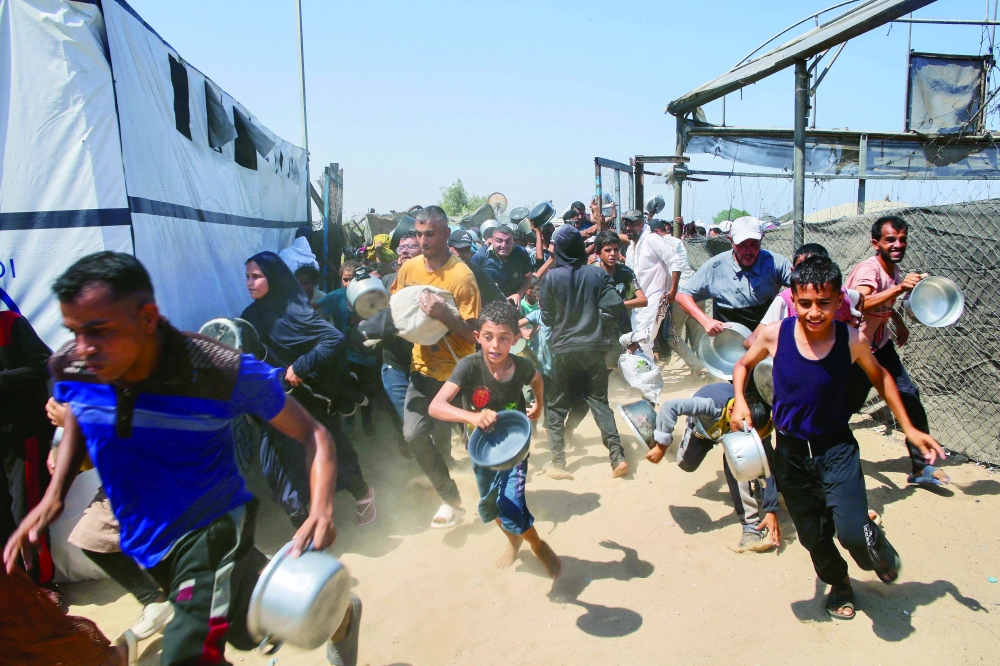
“Nearly nine out of ten households resorted to extremely severe coping mechanisms to feed themselves, such as taking significant safety risks to obtain food, and scavenging from the garbage,” OCHA said in a statement.
Even when Palestinians are not too weak to access aid collection points, they are vulnerable to injury or death in the crush to secure food. — Reuters
Oman Observer is now on the WhatsApp channel. Click here