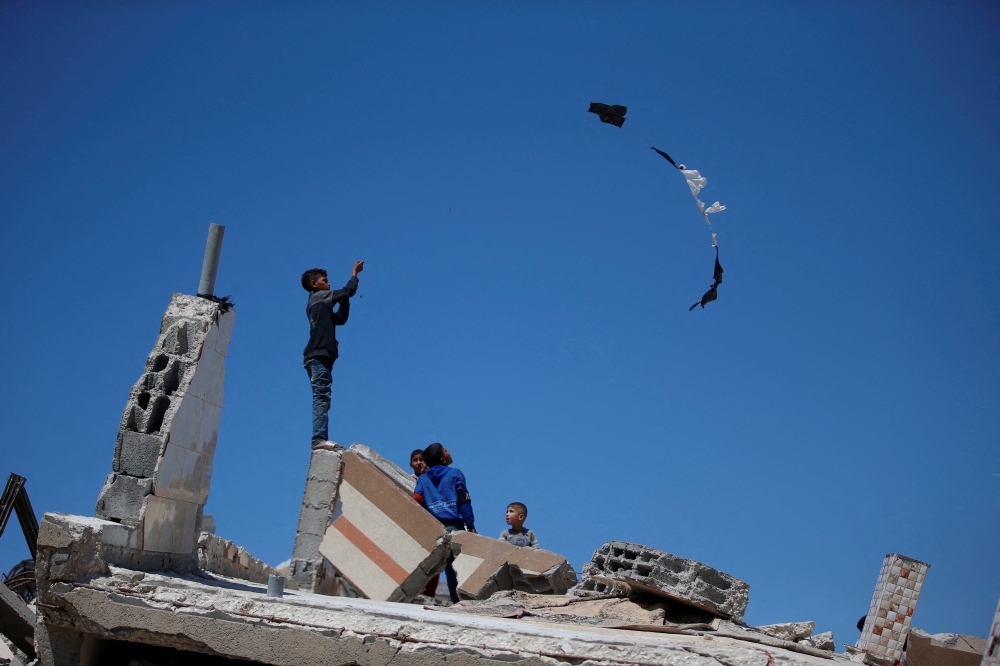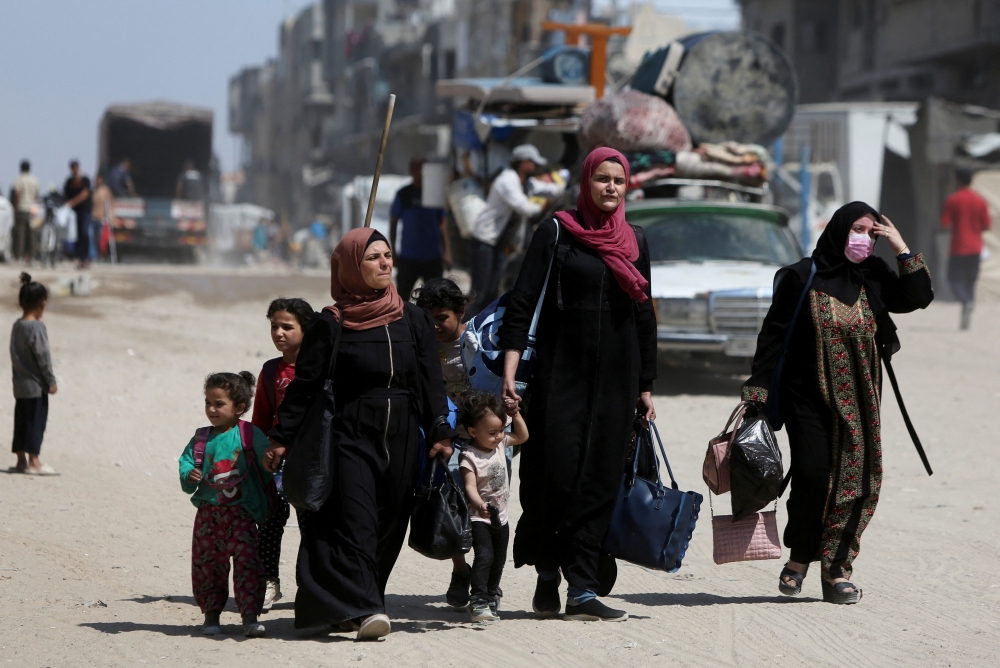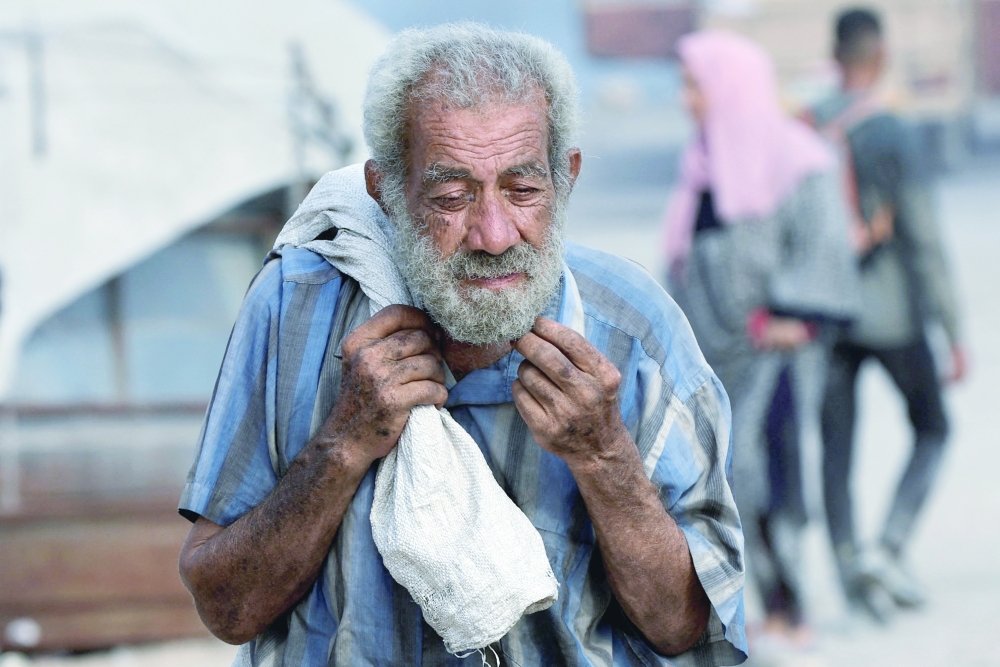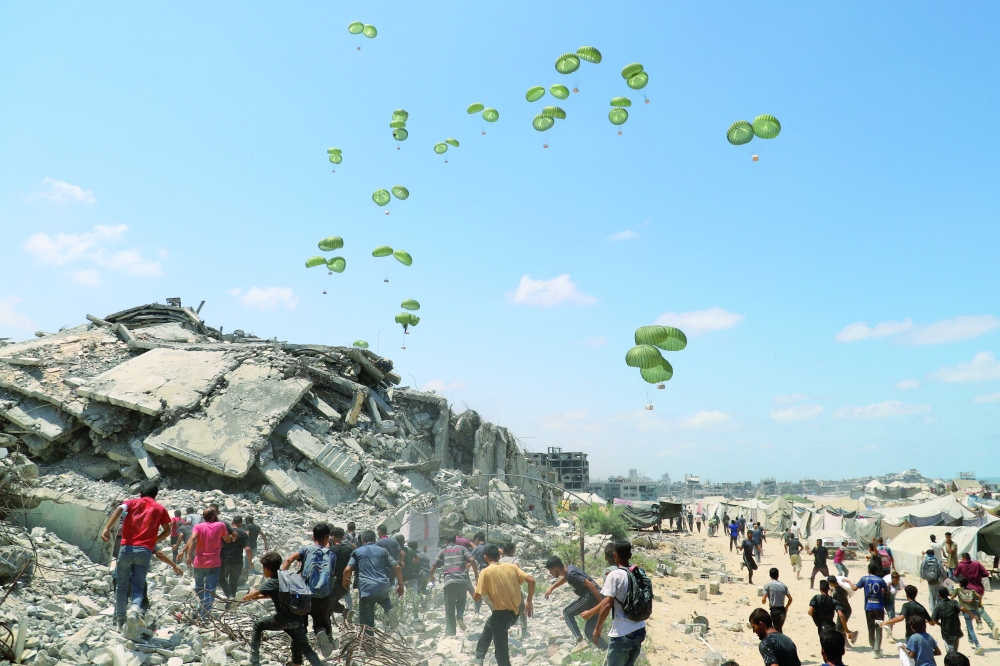





Israel has not fully respected an agreement with the European Union to increase aid supplies to the civilian population in Gaza, the EU’s diplomatic service has said.
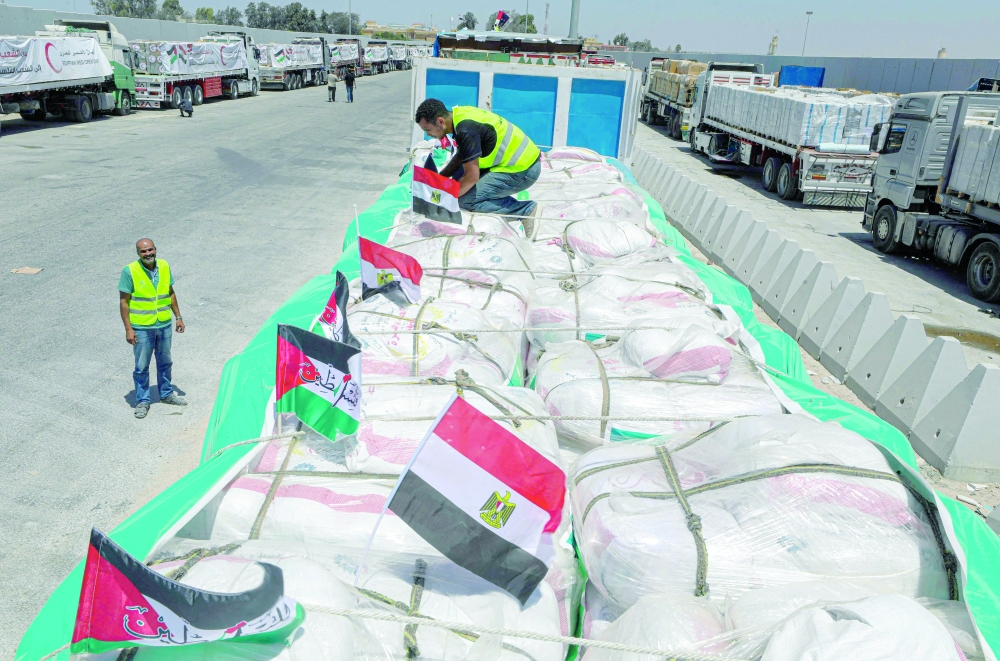
In a document sent by the European External Action Service (EEAS) to EU member states seen by dpa on Thursday, it is argued that the number of lorries entering the devastated coastal territory between the period of July 29 to August 4 was still “below the agreed” figure with the EU in mid-July.
Israel agreed with Brussels last month to step up aid to Gaza after heavy pressure from European countries.
Yet according to the UN and aid organisations, Israel is also continuing to obstruct humanitarian operations and the delivery of aid supplies, the EEAS paper said.
“There is some degree of discrepancy between the figures provided by the UN and humanitarian actors, and those provided by Israel,” the document adds.
Some positive steps have occurred, it argued. Fuel supplies, previously interrupted for 130 days, have resumed, while aid routes through Egypt, Jordan and the Zikim border crossing in northern Gaza have reopened. In addition, some important infrastructure facilities have been repaired.
Nevertheless, the threat of famine persists for the 2 million Palestinians living in Gaza, the paper warned.
Meanwhile, Gaza has seen its highest monthly figure of acute malnutrition in children, with hunger-related deaths rising in the enclave, the Director General of the World Health Organization said on Thursday.
“In July, nearly 12,000 children under five years were identified as having acute malnutrition in Gaza, the highest monthly figure ever recorded, says director general of world health organization,” said WHO Director General Tedros Adhanom Ghebreyesus at its headquarters in Geneva.
At least 99 people have died, including 64 adults and 35 children, including 29 below 5-years old since the start of this year to July 29, Tedros said.
Some 2,500 of those children are suffering from severe malnutrition, according to the WHO.
“The overall volume of nutrition supplies remains completely insufficient to prevent further deterioration. The market needs to be flooded. There needs to be dietary diversity,” said Rik Peeperkorn, WHO’s representative for the occupied Palestinian Territory via video link. — dpa/Reuters
Oman Observer is now on the WhatsApp channel. Click here