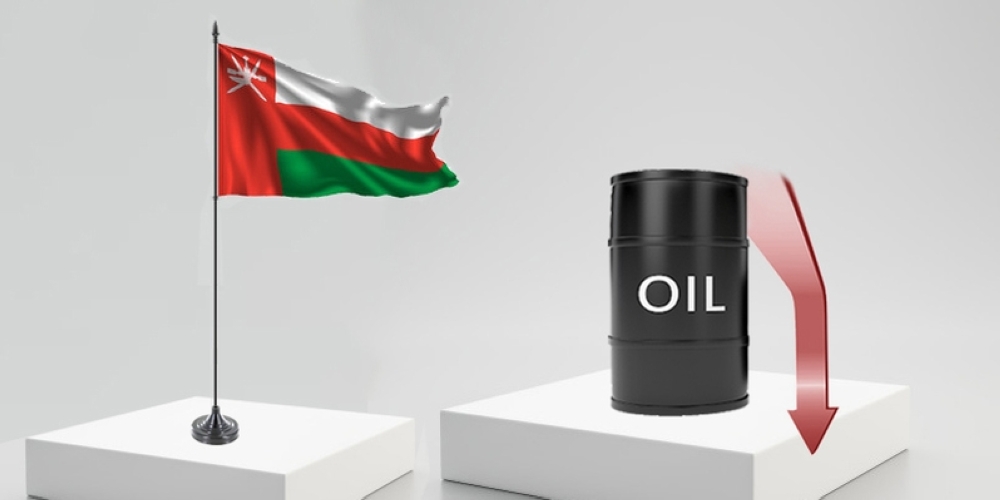





MUSCAT: The recent decision by eight OPEC+ countries—including the Sultanate of Oman—to implement a 547,000 barrels per day (bpd) production adjustment has been described as “sound” and “timely” by a prominent Omani energy expert.
Ali al Riyami, a former senior official at the Ministry of Energy and Minerals, praised the decision, noting it comes at a time of low global oil inventories, stable market conditions, and robust demand.
Earlier this week, OPEC announced that the eight OPEC+ countries—which had previously declared voluntary output cuts in April and November 2023—had reconvened virtually to reaffirm their commitment to market stability. They based this decision on what the group described as “healthy oil market fundamentals” and a “steady global economic outlook.”
Alongside Oman, the other countries participating in the latest output adjustment are Saudi Arabia, Russia, Iraq, the UAE, Kuwait, Kazakhstan, and Algeria.
“In view of a steady global economic outlook and current healthy market fundamentals—as reflected in low oil inventories—and in line with the decision made on December 5, 2024, to gradually and flexibly phase out the 2.2 million bpd in voluntary cuts from April 1, 2025, the eight participating countries will implement a production adjustment of 547,000 bpd in September 2025, relative to the required August 2025 levels,” OPEC stated.
“This adjustment will occur in four monthly increments. The phase-out may be paused or reversed, depending on evolving market conditions. This flexibility allows the group to continue supporting oil market stability,” the organization added.
For Oman, the required production level has been set at 801,000 bpd for September 2025. OPEC also confirmed that the eight countries have pledged to fully compensate for any excess production since January 2024. The group will reconvene on September 7, 2025.
Commenting further on the adjustment, al Riyami told Al Arabiya Business: “The timing was very appropriate, especially with the summer travel and tourism season underway. The market conditions—particularly the low inventories—also supported the decision. Accelerating the process of gradually restoring these volumes over about a year was a very sound move.”
However, al Riyami cautioned that ongoing trade tensions, especially new US tariffs and sanctions on Russia and Iran, could cloud the outlook. While the market remains stable with strong demand and overall positive sentiment, uncertainty persists over whether India and China will continue purchasing oil from the sanctioned countries, he noted.
Although not a formal OPEC member, Oman has long aligned itself with the organization’s strategy through its active role in the OPEC+ alliance. The Sultanate has consistently supported output cut agreements aimed at stabilizing oil markets during periods of volatility, including during the COVID-19 pandemic and amid recent geopolitical disruptions.
Oman Observer is now on the WhatsApp channel. Click here