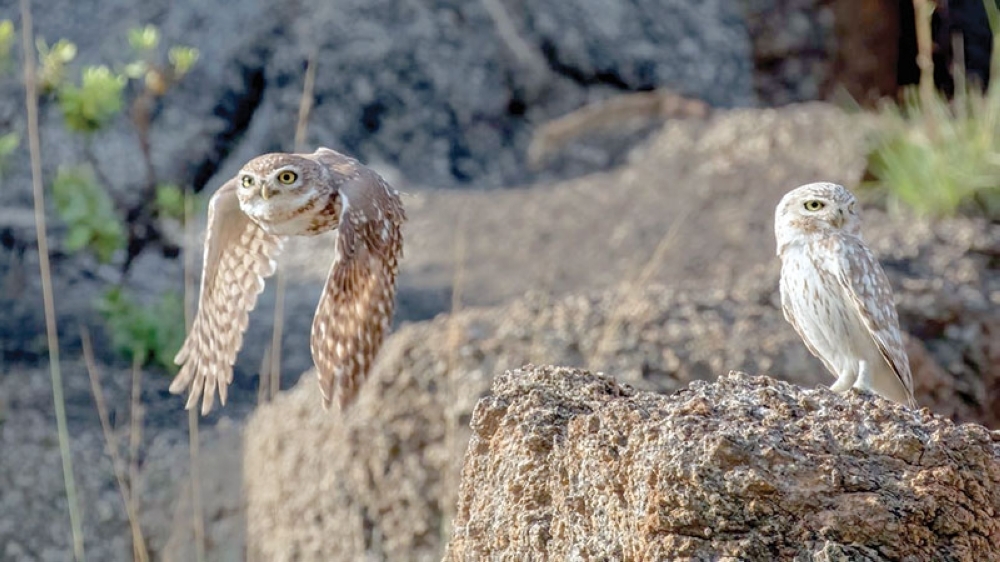





When the khareef reaches Salalah, Dhofar comes alive in a striking way. While the city rests under a blanket of fog, a quieter scene takes place — owls glide and hunt through the misty night air.
For Dr S M Ziaul Haque, a cardiologist at Salalah Heart Centre and a devoted wildlife photographer, this hidden drama is the true magic of the khareef.
“During khareef, the entire landscape transforms,” he says. “It becomes a haven not just for people, but for birds - especially owls.”
Owls have fascinated Dr Zia since 2017, when he stumbled upon a single barn owl wing in a wooded area near Ayn Athum. “It was fresh, maybe hunted. That moment changed everything,” he recalls. From then on, he began carrying a camera on his late evening walks - often returning home long after midnight, more often than not without a single photograph. “For nearly two years, I only heard them. I never saw one. But I didn’t stop.”
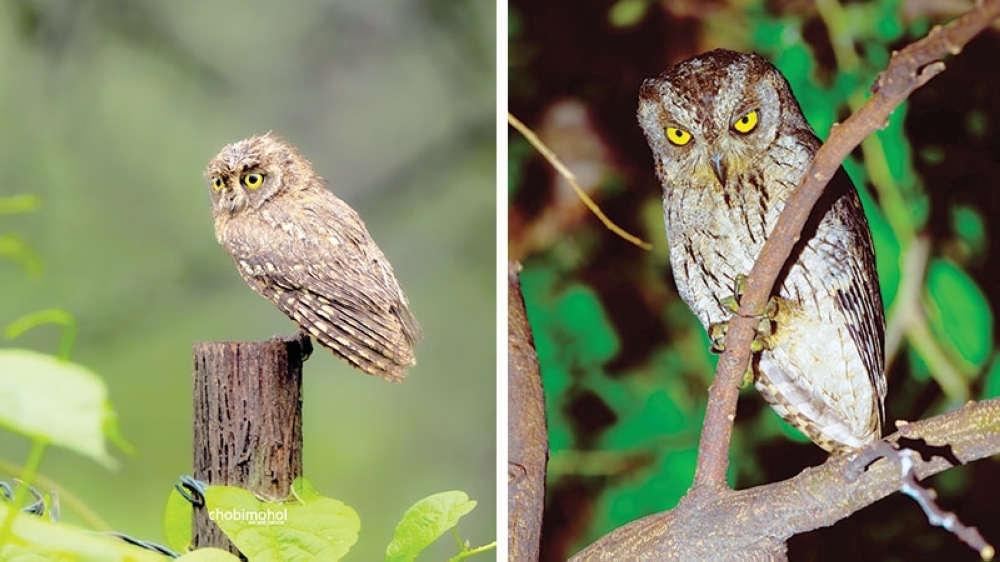
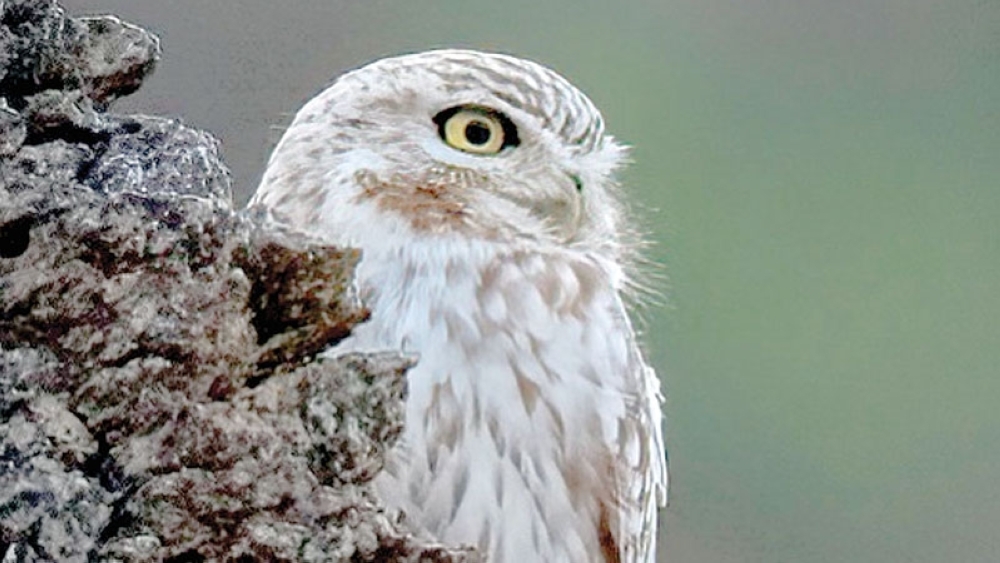
That persistence finally paid off one misty night during the khareef, when a young scops owl perched low on a branch appeared before him - eyes fixed on a grasshopper. “I shot three frames, and that was enough. My hands were shaking. My GoPro fell in the mud, and I lost my shoes. But I had the shot.”
Salalah is a natural stronghold for owls. From the cool uplands of Ayn Athum and Wadi Darbat to the rugged mountains around Mirbat and Tawi Atir, the terrain shelters a variety of species - including eagle owls, barn owls, scops owls, and the elusive little owl. “For me, owls were always mysterious. They’re quiet, intelligent, and misunderstood,” Dr Zia says, noting how local folklore once associated them with bad omens. “But they are just birds - graceful, powerful, and deeply connected to their habitat.”
Photographing owls, however, demands more than good timing. “You need high-end gear, yes,” he explains. Dr Zia shoots with Sony mirrorless cameras and a 600mm F4 lens. “But more importantly, you need silence, camouflage, patience - and above all, a deep respect for the birds’ space.”
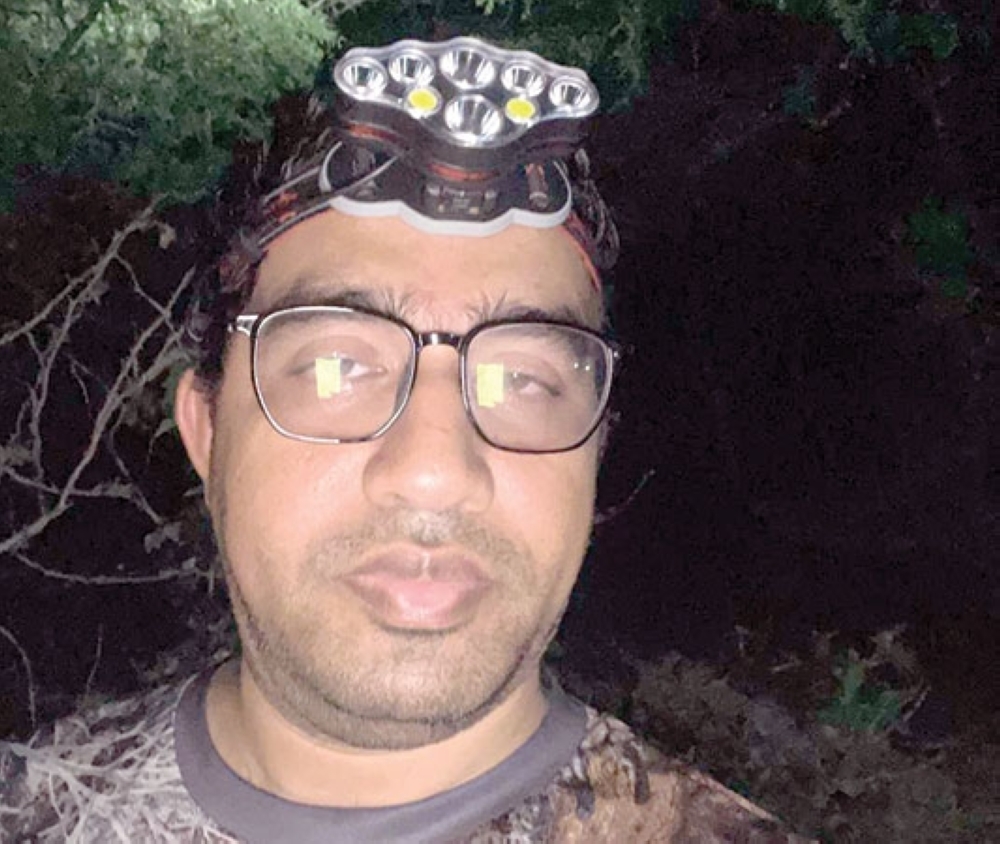
To avoid disturbing the owls, Dr Zia never uses flash. Instead, he relies on dim LED lighting and wears insect-proof clothing to endure long, humid nights in the wild. “You’re not just capturing beauty,” he says. “You’re entering their world.”
Khareef offers a unique window into that world. The cool air and dense foliage draw in more prey, making the owls more active - and occasionally, even visible during daylight hours. “In the dry months, they vanish into the rocks or hunt in silence. But during Khareef, they’re bolder, easier to spot.”
This seasonal visibility has also helped shift public perception. Where once owls were feared, now they inspire curiosity - thanks in part to Dr Zia’s social media page, Chobimohol (meaning ‘Picture Gallery’ in Bengali), where he shares haunting, and intimate images of the birds in their natural habitat. “I used to photograph alone. Now I have local friends who join me in the field.”
Still, the work is not without danger. Eagle owls, for instance, are formidable predators. “They don’t hesitate,” he says. “They can take on large prey and will stand their ground.”
But Dr Zia remains undeterred. “Owls taught me patience. They’re survivors, symbols of wisdom and mystery - and Salalah is their stage.”
Beyond personal passion, Dr Zia believes wildlife photography plays a critical role in promoting nature tourism in Dhofar. “By showcasing the region’s unique biodiversity, we encourage conservation and bring in eco-tourists who support local livelihoods,” he says. His images highlight not only rare species, but also the resilience and adaptation of animals to extreme seasonal changes.
As the Khareef continues to cast its spell over the land, Dr Zia’s lens stays trained on the darkened skies and misty wadis - capturing the silent wings of Salalah.
Oman Observer is now on the WhatsApp channel. Click here