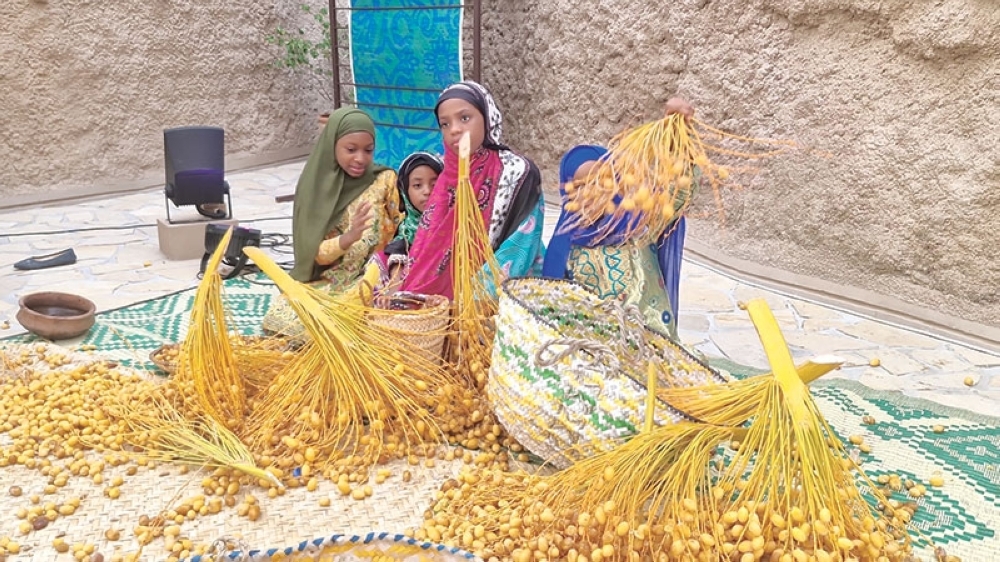
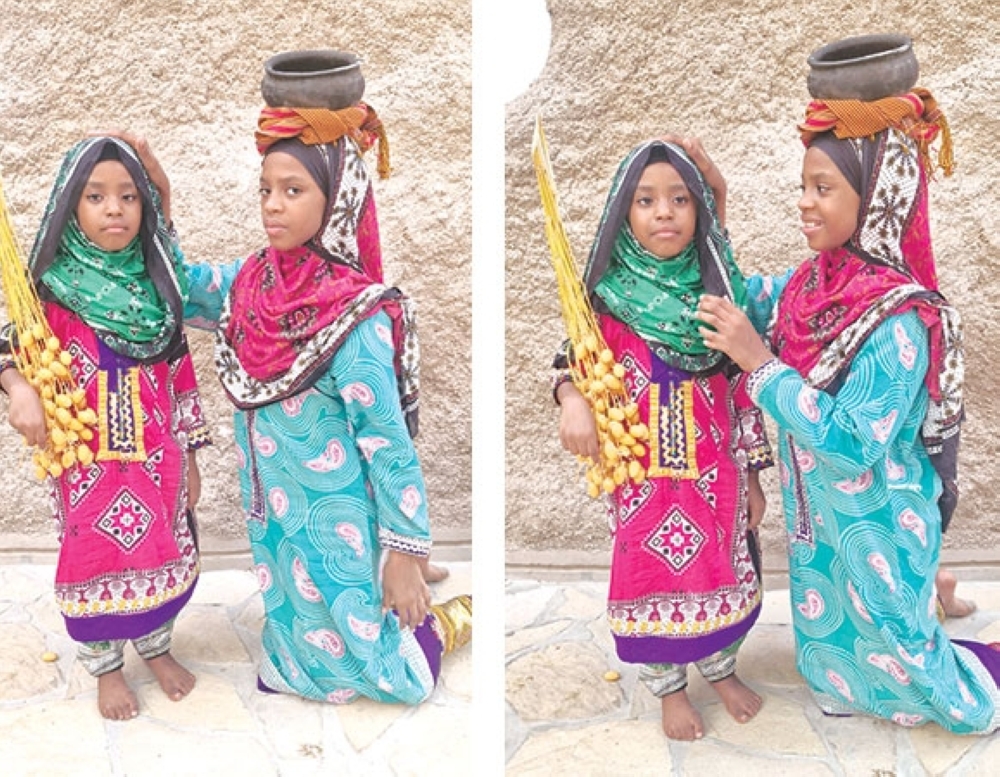





Farms and villages across Oman are brimming with excitement as the season of Al Tabseel unfolds — a time of jubilant celebration, collective effort and cultural pride deeply rooted in the country’s rich heritage. This annual tradition, which coincides with the peak summer months from late June to late July, transforms local communities into vibrant hubs of activity centred around date harvesting, processing and communal merriment.
Al Tabseel is much more than merely an agricultural activity; it embodies Oman’s centuries-old social fabric and farming expertise. The season signifies the harvest of the prized Mabsali dates, particularly from the lush plantations of Jaalan Bani Bu Hassan, renowned for producing some of the finest dates that are not only beloved locally but also exported globally. These dates, distinguished by their bright yellow colour and sweet flavour, are carefully harvested, boiled in large traditional vessels known as Marajel, and sun-dried in open spaces such as Al Mestah — an age-old practice that preserves the dates’ nutritional qualities whilst maintaining their cultural significance.
Safa al Balushi, Creative Director of Al Mirani Fort, explains, “Al Tabseel takes place during the hottest months when the Mabsali dates ripen. Farmers gather to harvest, then boil the dates for around half an hour before drying them under the sun for several days. It is a deeply rooted cultural event that brings communities together through traditional songs, storytelling and celebrations once the processing is complete”. The Al Mirani Fort, majestically perched on the Muttrah Corniche, recently hosted a lively celebration of Al Tabseel, supported by the Ministry of Heritage and Tourism. The event attracted numerous farmers and artisans from different regions, displaying a remarkable variety of dates and honouring Oman’s enduring agricultural traditions. The gathering exemplified the inseparable link between coastal trade routes and inland farming practices — the historical relationship where dates harvested from oases were transported to coastal markets, bolstering local economies and fostering cultural exchange.
“Al Tabseel is a vivid illustration of Oman’s interconnected heritage”, remarks Safa al Balushi. “It reflects the symbiotic relationship between sea and land, between commerce and community and highlights how these traditions have sustained generations of Omanis”. Since ancient times, farmers across Oman have celebrated this season with communal spirit and pride, often inviting entire families to participate in the harvest. Although modern influences have altered some traditional practices, the essence of Al Tabseel endures. Many wilayats continue to value this season as a significant social, cultural and economic event — an annual celebration that unites communities and safeguards their collective identity. According to historians and agricultural specialists, the tradition of Al Tabseel probably dates back several centuries, symbolising Oman’s resilience and harmonious relationship with its natural resources. Today, efforts are underway to preserve and promote this cultural treasure, ensuring that future generations can continue to uphold and enjoy the legacy of their ancestors while sharing the renowned taste and tradition of Oman’s dates with the world.
Oman Observer is now on the WhatsApp channel. Click here