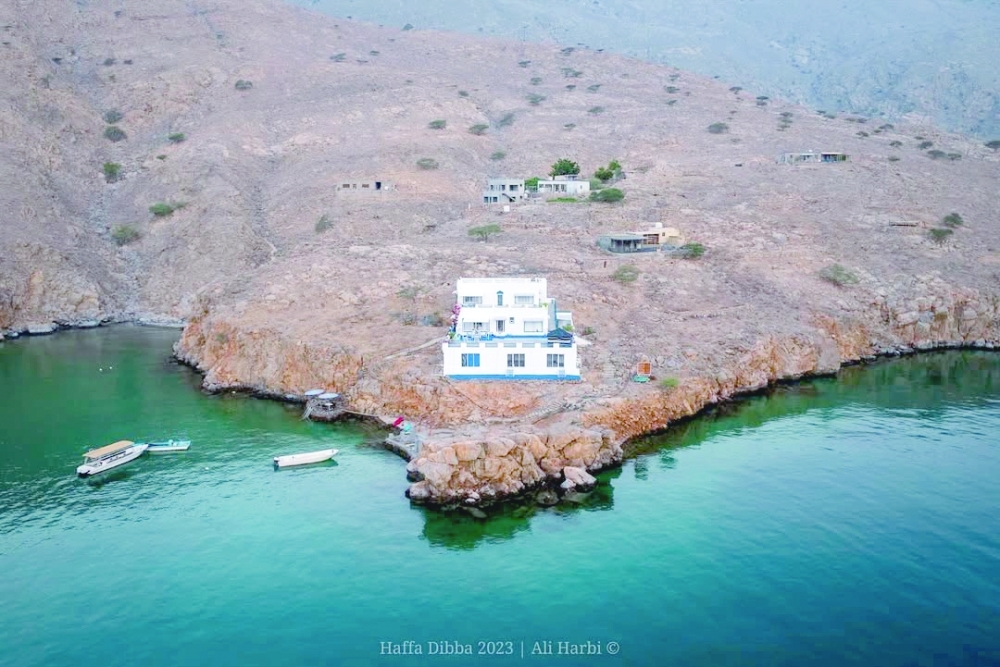
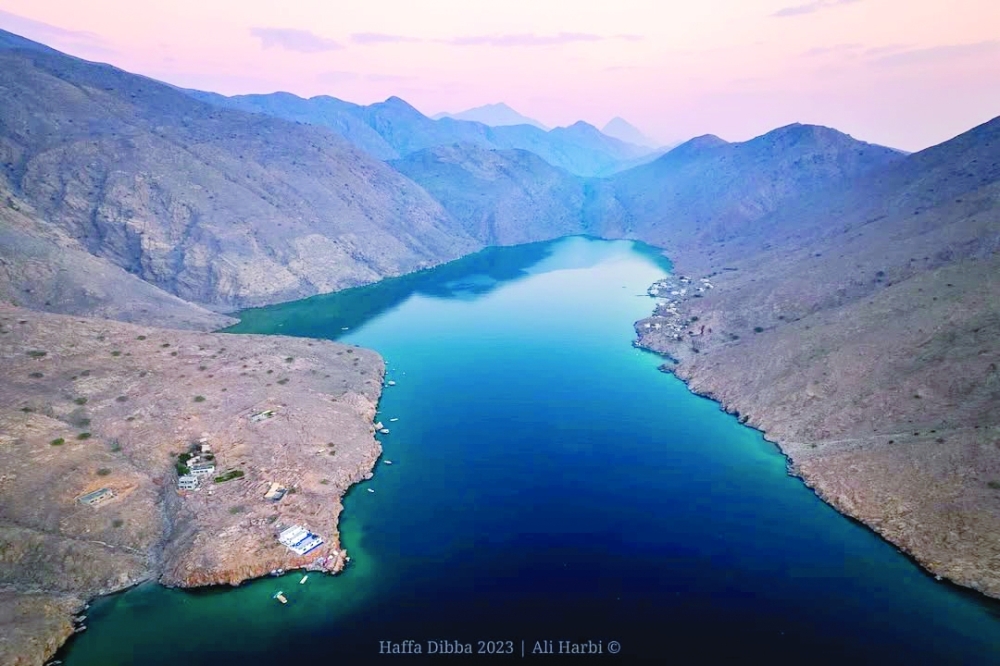
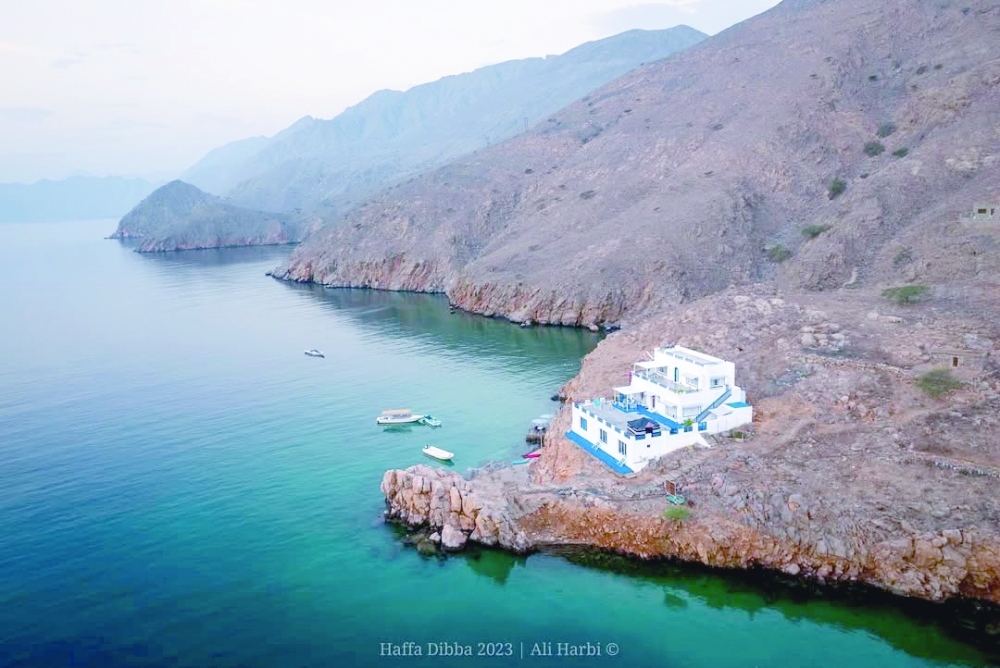





Imagine a hidden corner of the world where rugged mountains meet shimmering azure waters—a secluded paradise untouched by the rush of modern life. Welcome to Khor Haffah, a true coastal treasure nestled along Oman’s northern shores in the Musandam Governorate. It’s not just a place; it’s an experience that invites you to slow down, breathe deeply, and reconnect with nature’s simplest joys.
Getting to Khor Haffah is an adventure in itself. A scenic drive from Dibba Town, a vibrant hub often called the "Norway of Arabia" due to its fjord-like scenery, winds along mountain pistes that hug the cliffs and reveal dramatic vistas at every turn. According to the Oman Ministry of Tourism’s 2023 report, Musandam’s rugged coastlines and fjords are among Oman’s top eco-tourism attractions, with a 15% increase in visitors seeking sustainable nature experiences since 2021. This route offers a sense of discovery, the thrill of uncovering a well-kept secret, and a chance to marvel at vistas that seem straight out of a painting.
As you arrive, the scene unfolds like a living postcard: gentle waters cradled by smooth stones, towering cliffs casting shifting shadows, and a silence so complete it speaks volumes. There are no bustling crowds or noisy cafes—only raw, unspoiled beauty that Oman takes pride in. What truly sets Khor Haffah apart is its pristine environment. Unlike more commercialised locations, this harbour remains largely untouched, a sanctuary of natural splendour. The waters teem with life—vibrant corals and playful fish dart through the shallows—delighting snorkellers and swimmers alike. Recent marine surveys by the Oman Marine Sciences and Fisheries Centre have identified over 150 species of fish and multiple coral reef ecosystems within this region, highlighting its ecological value.
The visibility here can reach up to 20 metres during optimal conditions, providing a perfect window into a vibrant marine world. Locals recount stories of seasonal visits by humpback whales—so rare but extraordinary sightings that are now documented by Oman’s Dolphin and Whale Watching Centre, which reports occasional sightings along this part of the coast during winter months. Such experiences enhance Khor Haffah’s reputation as a living marine sanctuary.
Khor Haffah is part of an ecological network of inlets in Dibba—including Khor Ma’la and Khor Sanat—that serve vital roles for biodiversity. These khors are refuges for seabirds, breeding grounds for marine life, and essential natural corridors. The Oman government’s recent “Nature Reserves Strategy” (2022) highlights these coastal areas' importance for environmental preservation and their potential for ecotourism.
Beyond its ecological importance, the region offers a window into traditional life. Local villages, still practising age-old fishing and farming methods, have maintained their cultural heritage. Local fisherman, such as 58-year-old Saeed, shared stories of daily life rooted in the sea, passing down coastal navigation and fishing techniques that have endured for generations. Walking through these communities, visitors gain insight into a rural Oman that remains largely authentic, where warm hospitality and handcrafted traditions flourish.
Unlike typical tourist hotspots filled with neon-lit resorts, Khor Haffah embodies simplicity and authenticity. Its lack of commercial clutter preserves its serenity, making it a favourite for eco-minded travellers, photographers seeking untouched landscapes, and anyone craving quiet reflection. Exploring nearby villages provides opportunities to sample traditional Omani cuisine—like freshly grilled seafood and date-infused coffee—and shop for handcrafted silver jewellery or pottery, support for local artisans and their enduring crafts.
As Oman continues to promote sustainable tourism—a key pillar in its Vision 2040 strategy—places like Khor Haffah are seen as vital assets. Environmental experts from the Ministry of Environment and Climate Affairs advocate for modest, eco-friendly measures such as clearly marked walking trails and informative signage that educate visitors without damaging the landscape. These initiatives align with Oman’s broader goal of increasing environmentally responsible tourism, which has doubled in recent years, contributing significantly to the national economy while prioritising conservation.
Khor Haffah doesn’t boast grandeur or theatrics; instead, it whispers its allure to those willing to listen. It offers a sensory journey of colours, sounds, and scents—one that leaves a lasting impression on the soul long after departure. For many, a visit isn’t just sightseeing; it’s a moment of emotional and spiritual rejuvenation, a gentle reminder of the planet’s fragile beauty. With careful stewardship and respect, this peaceful haven can remain a treasured sanctuary, inspiring future generations to cherish and protect Oman’s natural and cultural heritage.
Photos by Ali al Harbi
Oman Observer is now on the WhatsApp channel. Click here