




The Future Fund Oman (FFO) has recorded strong performance in its inaugural year, approving 44 projects with a combined investment value of around RO 1.2 billion. Of this, RO 333 million was contributed by the Fund itself, while the remaining RO 885 million came from foreign investors — reflecting growing international confidence in Oman’s investment climate, according to the Oxford Business Group (OBG).
Established by the Oman Investment Authority (OIA) with a capital allocation of RO 2 billion over five years, the Future Fund Oman is a key instrument in advancing the objectives of Oman Vision 2040. The Fund is designed to stimulate economic diversification and expand the country’s investment base by targeting high-potential sectors such as industry, renewable energy, ICT, agriculture, fisheries and tourism, as well as emerging sectors like e-commerce, fintech and electric vehicles.
OBG’s 2024 review of the Fund noted its broader mission beyond capital deployment. The Fund also supports small and medium-sized enterprises (SMEs), venture capital firms and the development of a national innovation ecosystem. To that end, 90% of its capital is allocated to large-scale projects, while the remaining 10% is earmarked for SMEs and venture capital, aligning with the goals of the National Development and Generations portfolios.
The report commended Oman’s recent regulatory reforms aimed at making the country more attractive to international investors. Key reforms include legislation allowing 100% foreign ownership in most sectors, the launch of the unified “Invest Oman” digital platform to streamline licensing processes and the reduction of the list of prohibited foreign ownership activities to 123. The implementation of the Privatisation Law was also seen as a critical step, enabling the transfer of state assets to private and international investors via public offerings.
These reforms have helped the Future Fund Oman channel investments into a variety of impactful projects. These include both large-scale national initiatives and ventures led by SMEs and startups. Notable examples of the Fund’s international partnerships include two joint investment funds with Chinese firms.
The first is the IDG Oman Fund, a $200 million initiative launched in collaboration with IDG Capital Group. The fund focuses on investments within Oman in ICT, renewable energy and electric vehicles; and seeks to attract foreign direct investment in clean technologies and advanced industries.
The second partnership is with EW Partners, establishing the EWTP Oman Fund worth $250 million. This fund targets investments in ICT, renewable energy, tourism and agriculture within Oman; and aims to bring Chinese industrial companies to set up regional operations in the Sultanate of Oman, boosting local employment and supply chain capabilities.
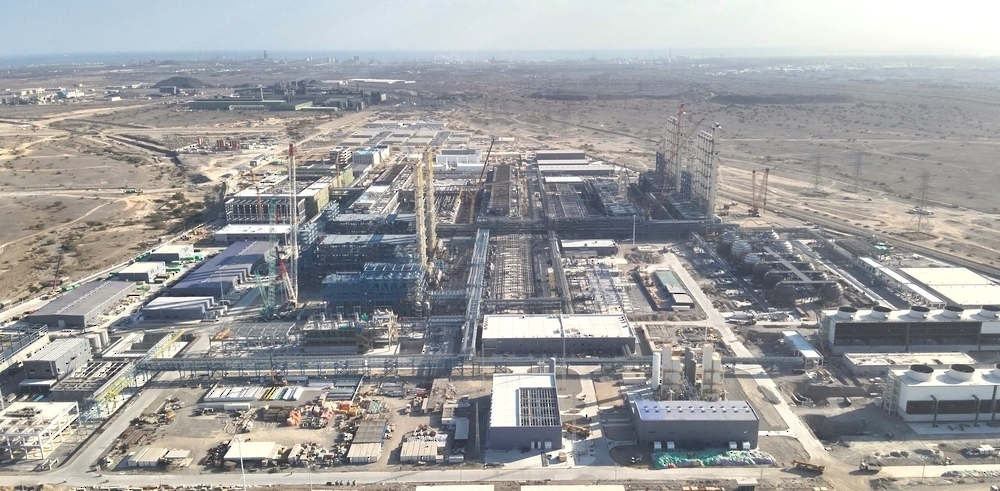
A key national project supported by the Fund is the United Solar Polysilicon Factory in the SOHAR Port and Freezone. Touted as the largest facility of its kind outside China, the plant is expected to produce 100,000 tonnes of polysilicon annually—positioning Oman to capture approximately 4.4% of the global polysilicon market, valued at $37.3 billion.
In addition to large-scale projects, the Fund has also backed innovative SME and startup ventures. These include Qpay, Oman’s first buy-now-pay-later platform certified nationally; Bima, a digital insurance platform; and Serb, a drone traffic management project.
OBG’s report also outlined the Fund’s five-year road map (2024–2028), anticipating significant economic contributions from its 2024 investments. These include the creation of over 1,600 direct jobs, the acceleration of economic diversification away from oil and gas; and greater support for entrepreneurship and innovation. — ONA
Oman Observer is now on the WhatsApp channel. Click here