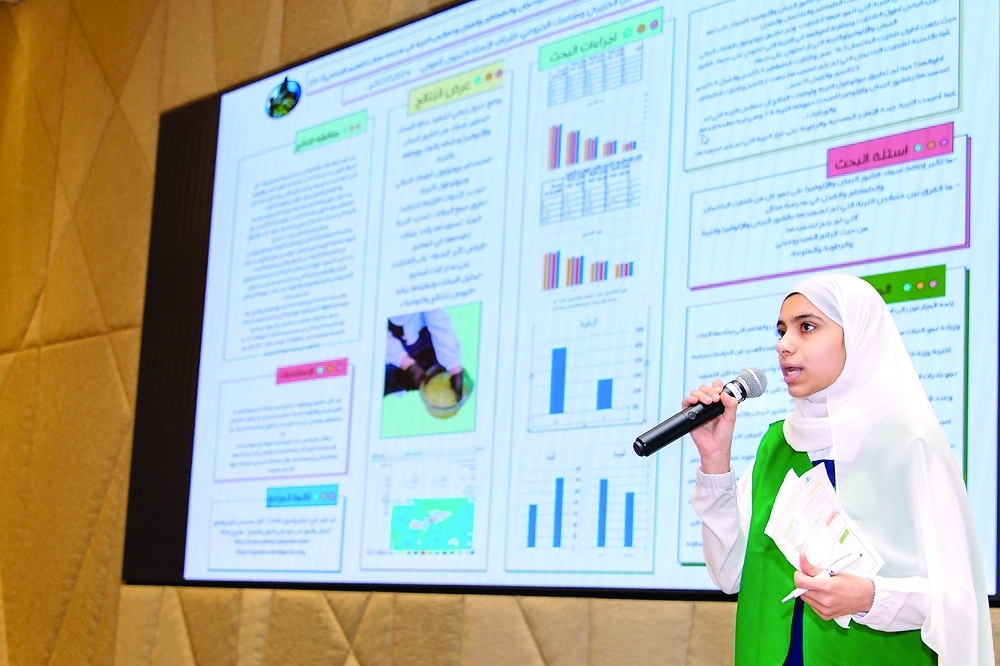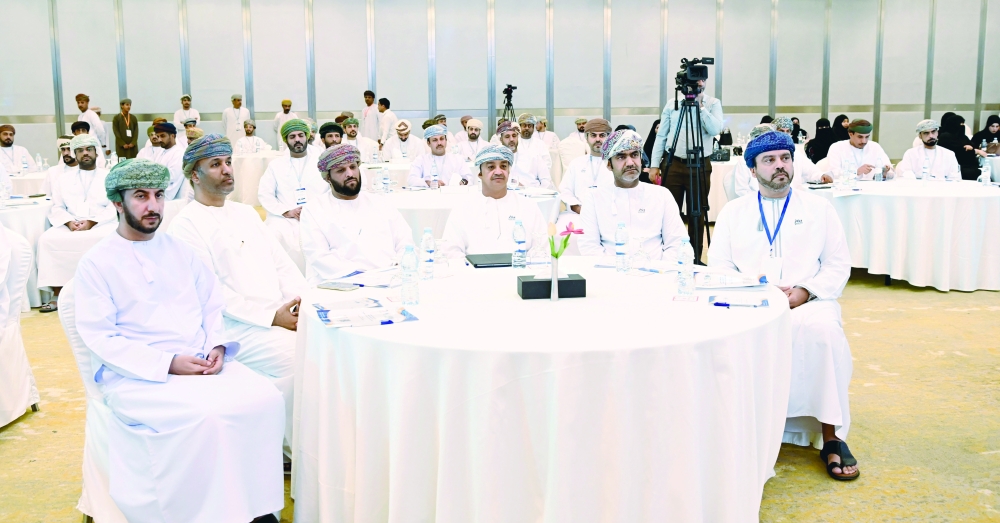





SALALAH: The Ministry of Labour inaugurated the Design Thinking Conference in Salalah on Monday, launching a two-day programme dedicated to exploring how artificial intelligence (AI) can enhance innovation, problem-solving and institutional development. Held under the theme “Redesigning the Future: Design Thinking to Solve Contemporary Challenges', the conference brought together government officials, private sector executives, academic experts and innovation leaders to exchange ideas and solutions.
The opening ceremony was held under the auspices of Dr Ahmed bin Mohsin al Ghassani, Chairman of Dhofar Municipality, who delivered remarks and honoured a number of keynote speakers and partners in recognition of their contribution to the event’s success.
Organised in collaboration with Al Marajea Centre for Conferences and Seminars, the conference seeks to mainstream design thinking as a core approach for driving institutional reform, improving service delivery and fostering a culture of creativity across Oman.
In his welcome address, Ahmed bin Aufait al Maashani, Director-General of Al Marajea Centre, described the conference as a strategic platform for experience sharing, knowledge transfer and the creation of meaningful partnerships. He emphasised that design thinking — particularly when integrated with artificial intelligence — offers a powerful set of tools to develop effective, human-centred solutions to contemporary challenges.
Also speaking during the opening session, Dr Ali bin Said Akaak, a consultant in sustainability and human resource development and a member of the conference’s scientific committee, noted that the conference programme was carefully designed to reflect the breadth and depth of design thinking applications. He explained that the various themes aim to empower practitioners, leaders and policymakers with actionable methodologies for institutional advancement and service innovation.
Throughout the conference, the participants engaged in discussions on a range of timely topics, including strategies for managing cultural and social transformation, the role of innovation in achieving positive institutional change, and the importance of creative thinking in addressing operational and policy-related challenges. The sessions also explored techniques for analysing audience needs, developing executable project models, and applying sustainable design practices and marketing approaches.
Speakers also examined how AI technologies can be embedded into the design process to improve decision-making, personalise user experiences, streamline operations and support continuous service improvement. The emphasis was on using technology not as a replacement for human insight, but as an enhancer of it — enabling smarter, faster and more impactful solutions.
The conference ultimately aimed to promote design thinking as a practical and strategic tool for institutional reform and development. By integrating this methodology into governance structures and innovation ecosystems, the organisers aimed to foster a new generation of solutions that are responsive to public needs, aligned with national priorities, and driven by both creativity and data.
Oman Observer is now on the WhatsApp channel. Click here