




MUSCAT: A study titled 'Evaluation of Antibiotic Residues in Available Milk and Egg in the Omani Market', led by Dr Sumaiya al Kindi, Research and Studies Specialist at the College of Pharmacy, National University of Science and Technology, and funded by the Block Funding Programme of the Ministry of Higher Education, Research and Innovation, has confirmed that milk and eggs available in the Omani market are safe for consumption, with no harmful levels of antibiotic residues detected.
Dr Sumaiya stated that food safety is a growing global concern with direct implications for public health and food security. The presence of veterinary drug residues in animal-derived foods has raised widespread debate due to its association with increasing antibiotic resistance in humans. As part of the research, public awareness was also assessed. The findings revealed that 25 per cent of respondents were unaware that antibiotics are commonly used in animal farms, while 43 per cent did not know that residues of these drugs might remain in milk and eggs. These results highlighted the importance of further investigation into food safety and consumer knowledge.
The study involved laboratory testing of three local brown egg brands and five fresh milk brands, including three imported and two local, screening for 35 veterinary drug compounds from five major antibiotic groups: tetracyclines, macrolides, quinolones, sulfonamides and beta-lactams.
Using Agilent QuEChERS extraction and LC-MS-MS analysis, a total of 124 fresh milk samples were tested, none of which showed detectable antibiotic residues.

According to Dr Sumaiya, the short-term objective of the research was to measure antibiotic residue levels in milk and eggs, both local and imported, and determine whether they exceeded the permitted safety thresholds. The long-term objectives included identifying the safest sources of imported products, providing a clear overview of antibiotic residues in local foods, evaluating their potential impact on public health and antibiotic resistance, and fostering scientific collaboration between academic and regulatory institutions working in the field of food safety.
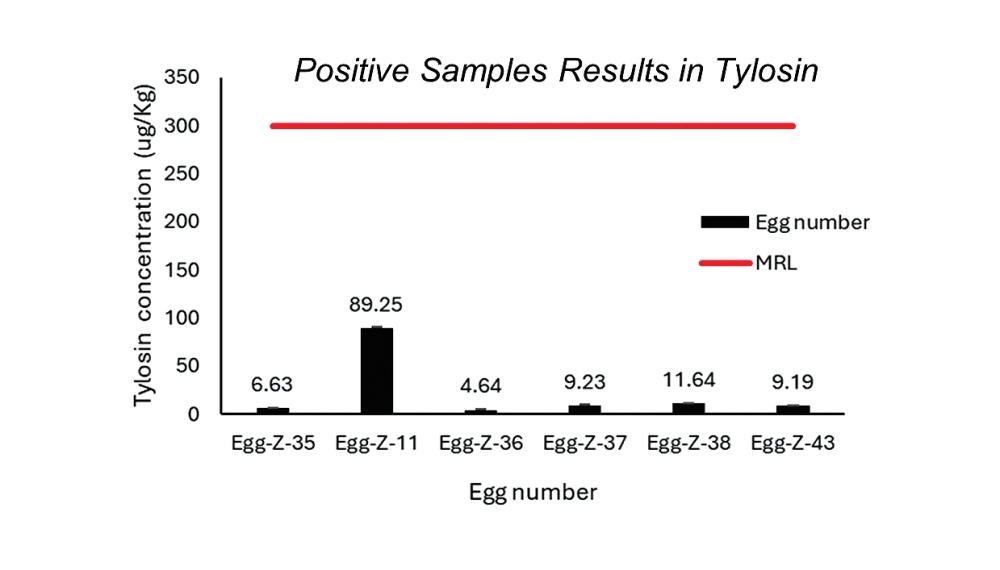
Dr Sumaiya mentioned that the results showed that none of the milk samples contained any detectable antibiotic residues. In the egg samples, residues were not found except for six samples that contained trace amounts of tylosin, an antibiotic from the macrolide group.
However, all detected levels were well below the Maximum Residue Limit, indicating that they pose no threat to consumer health. Dr Sumaiya and her team concluded that the tested milk and egg products currently sold in Oman meet international safety standards. They credited this outcome to the presence of a well-maintained surveillance system in local production farms.
In addition to confirming product safety, the project established a scientific procedure for investigating veterinary drug residues in collaboration with the Food Safety and Quality Centre.
The researchers emphasised the need for ongoing monitoring to include a wider range of brands and products. They also recommended efforts to raise public awareness about the use of antibiotics in animal farming and the potential health implications.
The research project was published in the International Journal of Nutrition, Pharmacology, Neurological Diseases. The research team consisted of Dr Sumaiya al Kindi, Prof Dr Alka Ahuja, Ph Mariya al Hilali, Razna al Maimani, Siham al Mamari and Bushara al Siyabi.
Oman Observer is now on the WhatsApp channel. Click here