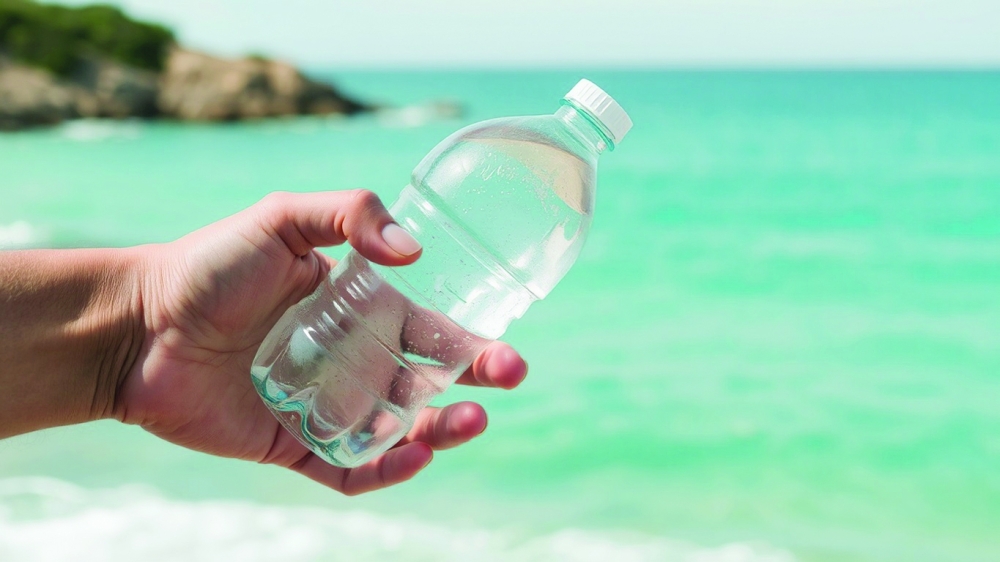
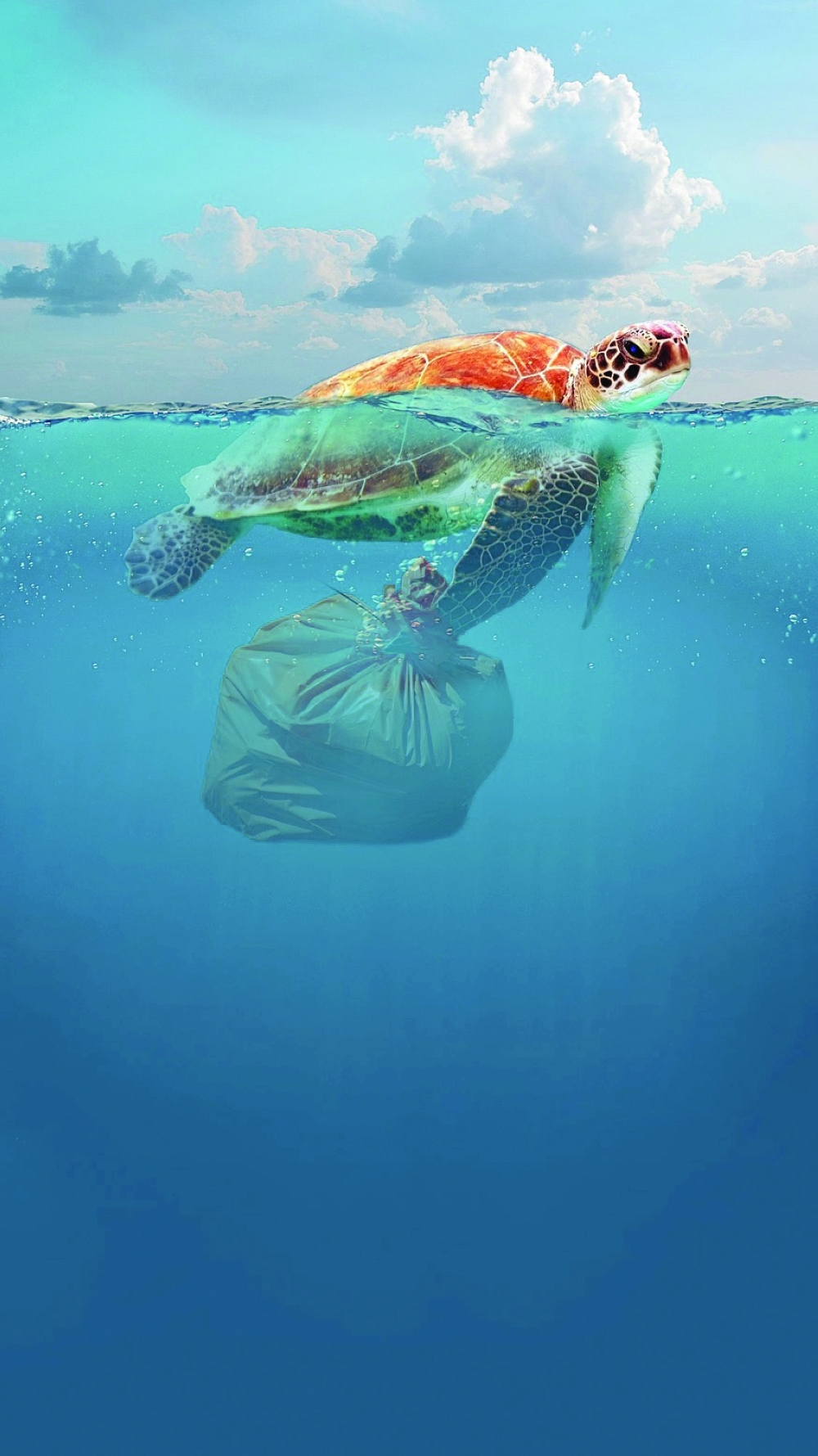
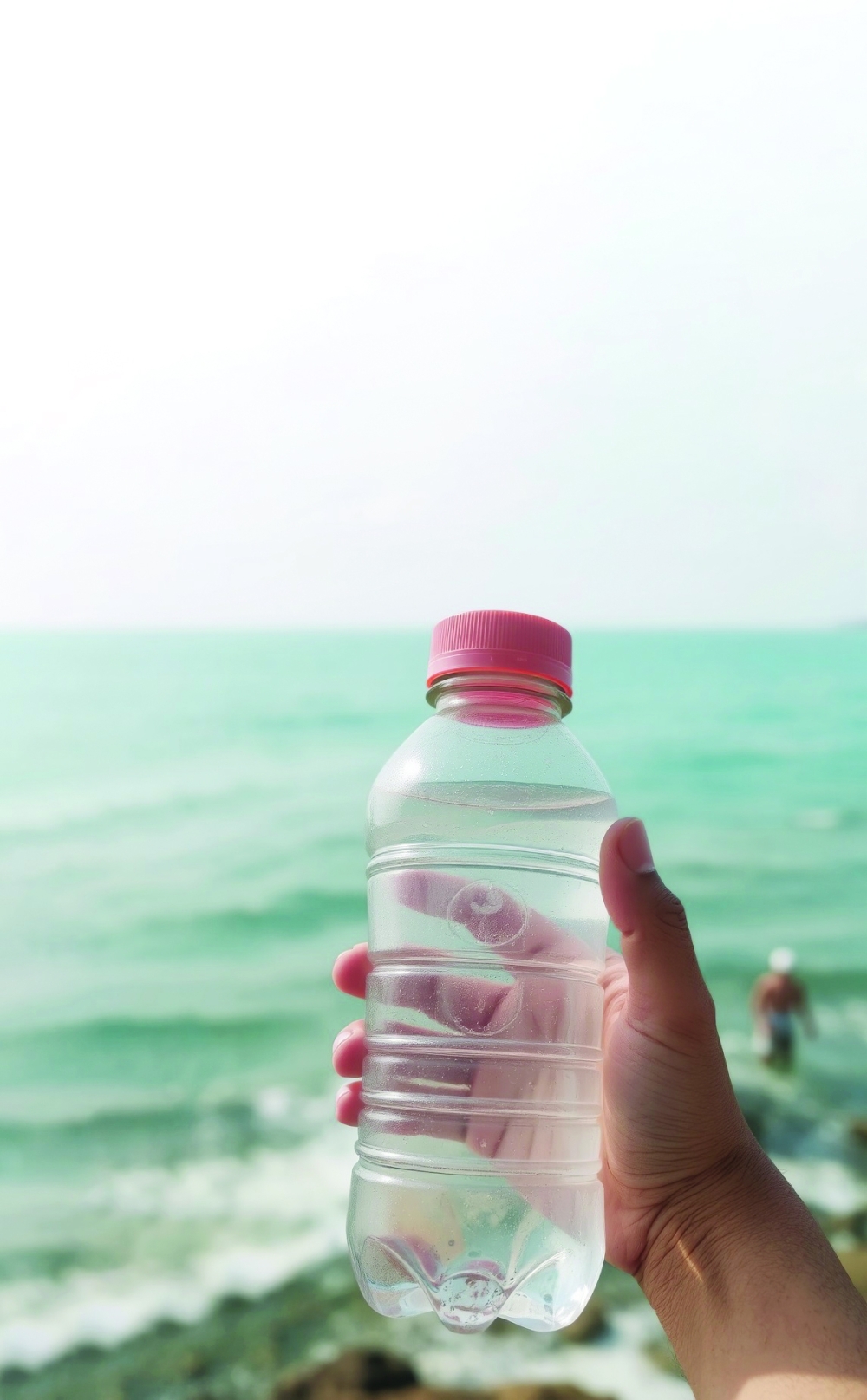





In a world drowning in plastic waste, one of the most visible culprits is something as seemingly harmless as a bottle of water. Lightweight and convenient, plastic water bottles have become part of everyday life. But beneath that convenience lies a mounting environmental cost—one that appears in landfills, oceans, and even in our food chain.
Across the globe, momentum is growing to reduce dependence on single-use plastics, and bottles are a major part of that story. The shift begins with a simple but powerful act: bringing your own. Reusable water bottles—made of stainless steel, glass, or durable BPA-free plastic—are fast becoming daily essentials. In the Gulf’s unforgiving heat, they do more than cut waste; they keep water colder, longer.
Access is key. Around the world, refill stations are appearing in airports, shopping centres, universities, and workplaces, making it easy to refill on the go. Apps like Refill and Tap now map out nearby refill points. In Oman, an increasing number of cafés, gyms, and co-working spaces are offering water refills, quietly encouraging a shift in consumer behaviour.
Concerns about water quality often drive the decision to buy bottled water, even where supplies are safe. But this is also changing. Modern home filtration systems—from simple charcoal pitchers to high-performance reverse osmosis filters—now offer a reliable and cost-effective alternative. They empower households to trust their tap water and significantly reduce plastic use.
Offices, schools, and event organisers are also adapting. Water dispensers and “bring your own bottle” policies are replacing pallets of bottled water. Some public events have gone further—banning plastic bottles entirely and offering branded reusable bottles alongside refill stations.
Meanwhile, innovation is redefining what a bottle can be. Start-ups are developing biodegradable options made from seaweed, sugarcane, and starch-based materials that break down naturally instead of lingering for centuries. Recent research in Oman’s waters confirmed that cassava starch-based bioplastics degrade considerably faster than conventional polyethylene, opening the door for locally suitable alternatives.
A Clear Message in Oman
Oman has taken a significant step towards environmental conservation by implementing a comprehensive policy aimed at eliminating single-use plastics. This initiative underlines the country’s commitment to tackling plastic pollution and aligns with its broader sustainability goals outlined in Oman’s Vision 2040.
Concerns over plastic waste rose in Oman during the early 2020s. The Ministry of Environment and Climate Affairs (MECA) highlighted increasing challenges related to plastic debris polluting marine and terrestrial environments. By 2021, the government recognised the urgent need for action, acknowledging the impact on marine ecosystems and waste management infrastructure. Regional cooperation within the Gulf Cooperation Council (GCC) further propelled momentum for environmental reform.
In 2022, Oman announced plans to restrict the import, production, and use of single-use plastics, including plastic bags, cutlery, and packaging. Stakeholders such as environmental organisations like the Omani Environment Society, alongside private companies, played an active role in shaping these regulations. Awareness campaigns launched in 2023 aimed to educate the public on the harmful effects of plastic pollution and promote sustainable alternatives, such as reusable bags and biodegradable packaging.
Legislative measures were enacted in June 2024, when the Council of Oman approved the Plastic Waste Reduction Law. This legislation banned the distribution of single-use plastic bags nationwide, with initial compliance deadlines set for early 2025. Retailers were encouraged to adopt reusable or biodegradable options, and enforcement measures—including fines between OM R10 and OM R50 for violations—were introduced in March 2025. The ban was further extended in June 2025 to cover other single-use plastics, such as straws, cutlery, and polystyrene containers. To facilitate compliance, the government established recycling centres and incentivised local manufacturers to develop sustainable alternatives.
Early results are encouraging, with data showing a 35% reduction in plastic bag use within three months of enforcement. Environmental organisations praise Oman for its proactive stance, emphasising that such policies are vital for protecting marine ecosystems along its extensive coastline. Moving forward, Oman aims to expand waste reduction initiatives further and continue public education campaigns to ensure regional compliance. The government remains committed to sustainable development and conserving its natural resources for future generations.
Oman is sending a clear message: single-use plastics are being phased out for good.
Change takes time, but it is underway. The more we opt to refill rather than replace, the more we dilute the grip of throwaway culture. Bottles are a good place to start—not just for the planet, but for the habits that shape our future.
Hydration doesn’t need to come wrapped in plastic. The future is refillable, renewable, and rooted in responsibility.
Oman Observer is now on the WhatsApp channel. Click here