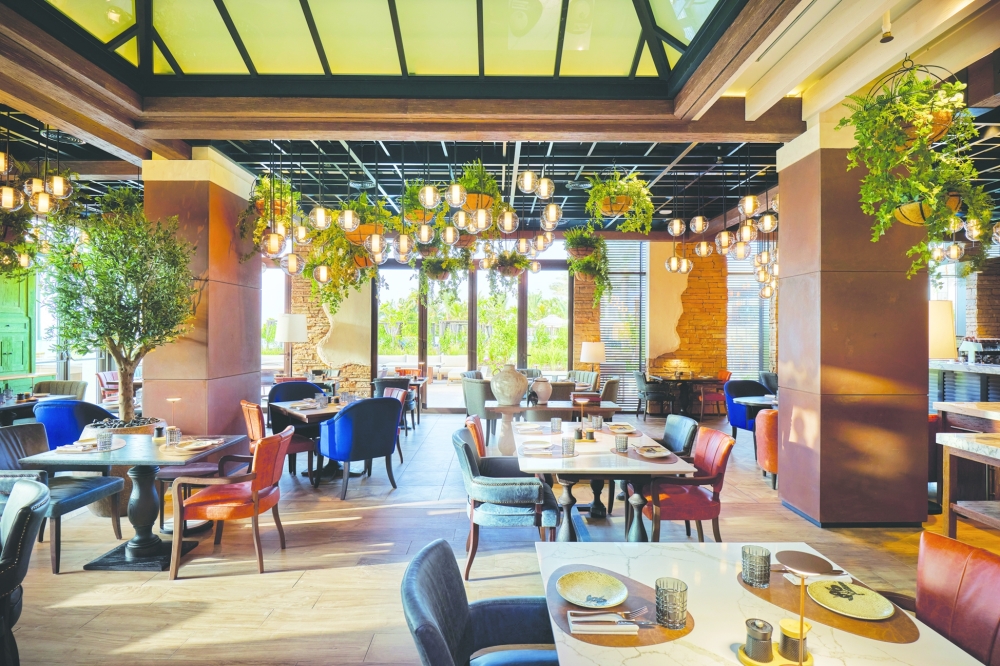





In today’s competitive culinary world, diners are increasingly seeking more than just exotic flavours—they crave authenticity, quality, and a narrative behind every plate. As a result, the importance of selecting the finest ingredients has never been more critical in determining the success of a restaurant, especially those vying for or holding Michelin stars. Michelin’s assessment extends beyond aesthetics or service; the organisation’s inspectors place significant emphasis on the quality of ingredients used, recognising that supreme produce forms the foundation of remarkable dishes.
This shift towards ingredient-driven excellence has led chefs worldwide to seek out unique, high-grade produce to craft memorable, authentic, and innovative dishes. It’s within this context that Oman is emerging as a noteworthy player, thanks to its rich culinary larder rooted in pristine seas, fertile lands, and traditional harvesting techniques. The recent collaboration hosted by Mandarin Oriental Muscat vividly showcased this potential—combining Portuguese and Italian culinary traditions with the unique, high-calibre ingredients sourced from Oman, highlighting their place on the international gastronomic stage.
The event, a four-hands dinner featuring Chef José Barroso of Dubai’s Michelin-starred Tasca by José Avillez and Essenza’s own Chef Davide Borin, was more than just a celebration of Mediterranean flavours; it was a testament to Oman’s rising prominence as an ingredient hotspot. The five-course menu, which masterfully fused Portuguese and Italian culinary influences with local Omani produce, demonstrated how Oman’s ingredients could elevate dishes from simple to spectacular, earning their rightful place in high-end, globally recognised cuisine.
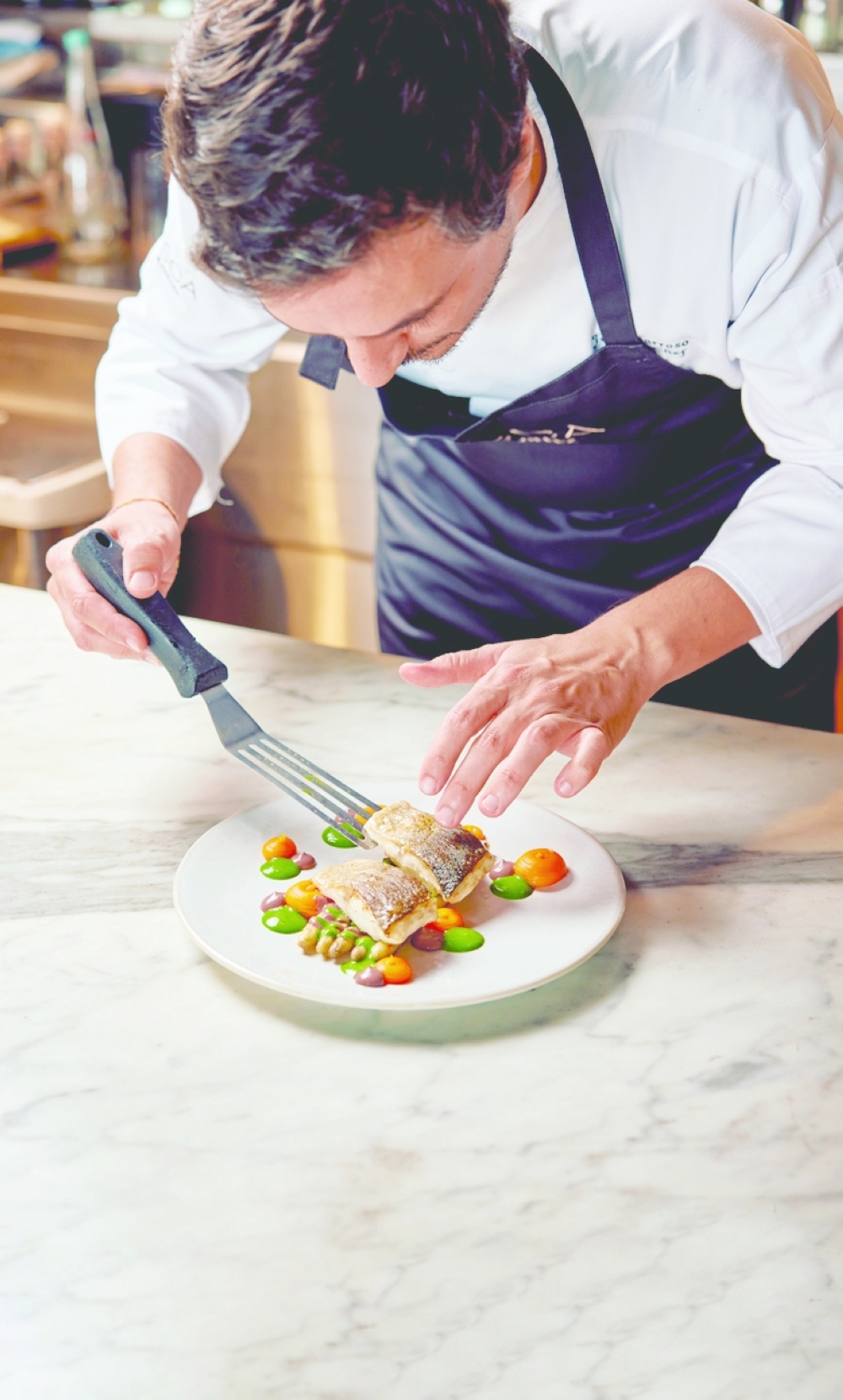


The collaboration bridged two culinary traditions that, while geographically close, are distinct in their flavours and ingredients. Portuguese cuisine is distinguished predominantly by its love of seafood—salted cod (bacalhau), sardines, and shellfish—highlighting Portugal’s maritime history and the Atlantic coast’s bounty. Its dishes typically balance sweet, sour, and savoury elements; ingredients like olive oil, garlic, citrus, and dried herbs offer a rustic yet refined profile.
Italian cuisine, on the other hand, celebrates seasonal produce and regional diversity. Northern Italy cherishes butter, rice, and cheeses, with dishes boasting subtlety and richness, while Southern Italy leans into bold, garlic-infused, spicy dishes often featuring seafood—an echo of its Mediterranean surroundings. The Italian approach emphasizes simplicity and ingredient integrity, allowing fresh produce like tomatoes, basil, and olive oil to shine.
The event’s exciting narrative lay in the seamless integration of these culinary philosophies, united through Oman’s exceptional ingredients—seafood, herbs, and spices that poignantly framed traditional dishes from both countries. Here, Oman’s offerings proved not just compatible but pivotal to the experience.
The Seas of a Hidden Culinary Powerhouse
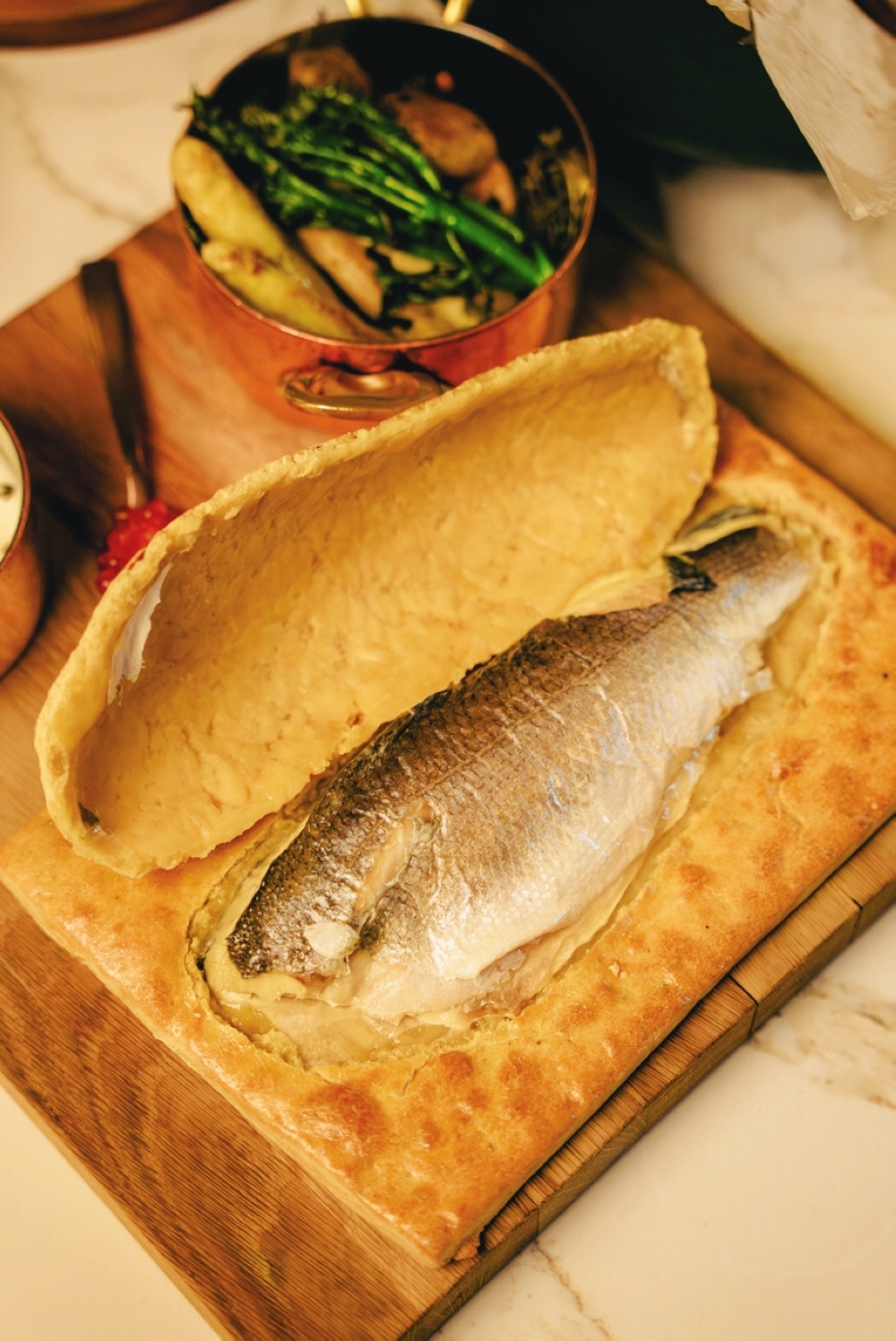
Oman’s geographical position endows it with some of the most pristine waters for seafood in the world. The Arabian Sea and theIndian Ocean surrounding Oman provide a diverse bounty—lobster, octopus, king prawns, sardines, and tuna—that are not only integral to local diets but also coveted globally. Omani seafood is renowned for its freshness, quality, and distinctive flavour, thanks to sustainable harvesting practices and traditional fishing communities.
According to sources from the Oman Food & Beverage sector, the country’s seafood exports have been steadily increasing, reaching markets in Asia, Europe, and the Middle East. The quality of Oman’s marine produce has attracted attention from international chefs seeking premium ingredients, particularly for fine dining establishments that value consistency and authenticity.
Beyond seafood, Oman’s spice trade—centred historically around ports like Muscat—has contributed aromatic herbs and spices such as cardamom, cumin, and coriander to the culinary landscape. These ingredients, often harvested from local farms or imported from the Indian Subcontinent, add depth and complexity to dishes, further raising Oman’s profile as an ingredient hub.
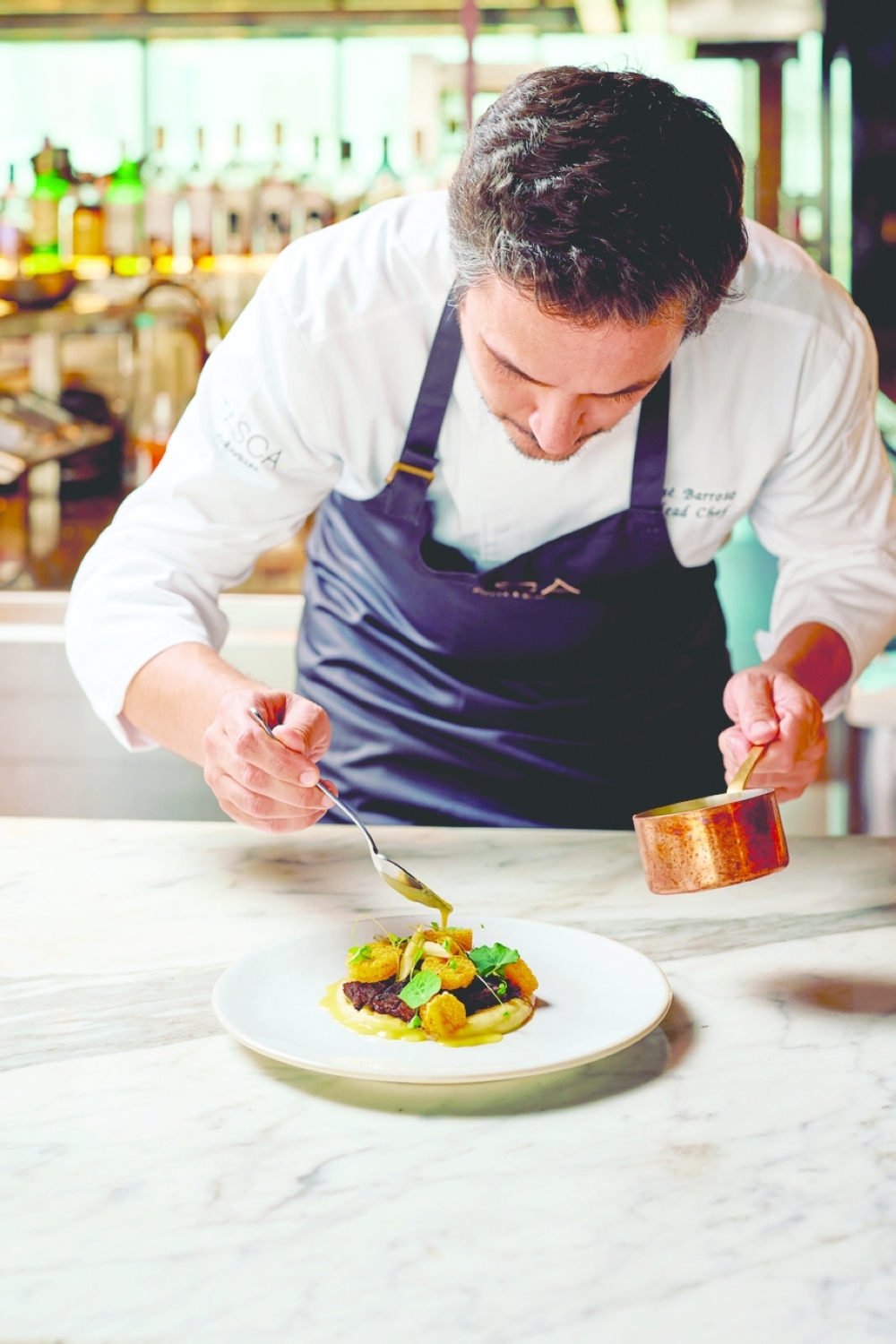
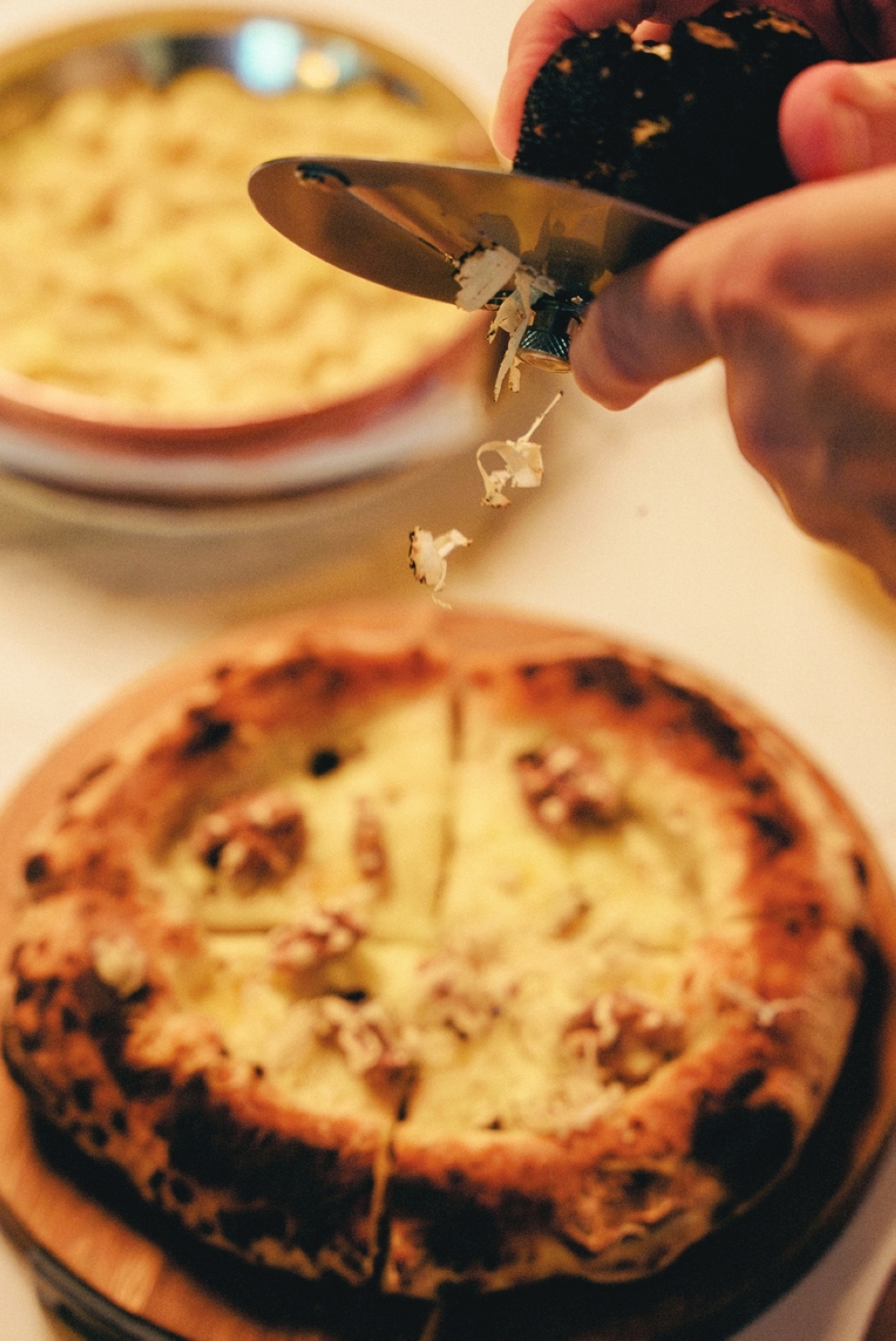
The culinary journey curated during the event was a reflection of Oman’s versatility. The five-course menu was an intentional “trifecta”—blending Portuguese marine staples, Italian rustic traditions, and Oman’s fresh ingredients. Notable highlights included Omani lobster used in the pasta “Allo Scoglio,” showcasing how locally sourced seafood could elevate Mediterranean dishes. The Wagyu Picanha complemented with black beans and rice subtly integrated local produce into a Portuguese comfort-food classic.
Each dish showcased the distinct role of Oman’s ingredients, not merely as supplementary elements but as integral to the dish’s flavour profile and authenticity. The freshness of Oman’s seafood lent a richness and vibrancy that no imported or frozen produce could replicate, and homemade herbs and spices added layers of complexity.



Each dish showcased the distinct role of Oman’s ingredients, not merely as supplementary elements but as integral to the dish’s flavour profile and authenticity. The freshness of Oman’s seafood lent a richness and vibrancy that no imported or frozen produce could replicate, and homemade herbs and spices added layers of complexity.
Mastering the Art of Local Ingredients
The chefs involved expressed great admiration for Oman’s produce. Chef Barroso highlighted the importance of sourcing local ingredients to truly capture authenticity.
For the chefs, working with Oman’s bounty isn’t just about ingredient quality; it’s a cultural experience.
This event showcased more than just fine dishes; it symbolised Oman’s growing status as a regional hub for high-quality ingredients that can compete on the world stage. While Oman has traditionally been recognised for its natural beauty and hospitality, its culinary sector is now poised for international recognition—provided the country continues to invest in quality sourcing, sustainable practices, and culinary innovation.
To align itself with the global culinary elite, Oman can leverage its freshwater sources, strategic location, and traditional fishing techniques to produce more export-quality ingredients. Building partnerships with local farmers, fishermen, and artisanal producers can revamp the country’s reputation from a gastronomic perspective, much like its neighbouring Gulf countries that are increasingly becoming culinary hotspots.
The recent collaboration at Mandarin Oriental Muscat vividly demonstrated that Oman’s ingredients hold extraordinary potential for elevating the world’s most refined dishes. From the pristine waters spawning vibrant seafood to aromatic spices nurtured along historic trade routes, Oman provides a treasure trove of flavours that are both authentic and sophisticated.
Oman Observer is now on the WhatsApp channel. Click here