Oman is currently going through an extensive national transformation as outlined in Vision 2040 which seeks to diversify the economy, reduce reliance on hydrocarbons, and promote sustainable development. One of the most defining features of this transformation is the integrated framework designed around the strategic goal of generating employment opportunities for nationals and increasing local content in all economic activities. Oman’s development agenda also places critical importance on “local content”, which can broadly be referred to as the value added of the workforce, goods, and services employed in a specific industry. It is my intention in this article to examine the evolving landscape of employment in Oman, local content policies and laws, sectoral performance, the role of SMEs, skill development programs, as well as the impending challenges and prospects of the economic transformation. Oman’s inclusive economic resilience vision is being supported by government programs and hard data, and this is what the paper seeks to present.
NATIONAL LOCAL CONTENT POLICY (2024-2030)
In 2024 the council of ministers approved the national local content policy (2024-2030) as a guiding document aimed at embedding Omani goods, services, and labor into the economy. Maximising the in-country value (ICV) generated from public and private sector investments is one of the main objectives under the policy. It also supports Oman Vision 2040 on economic diversification, social inclusion, and sustainability. The policy is built on four strategic pillars:
• Supply Chain Development: Sponsoring local Omanis by both the government and private sectors as suppliers and contractors.
• Workforce Development: Equipping Omanis through strategic educational programs, vocational trainings, and practical job placements.
• Innovation and Technology Transfer: Improving the national capabilities through partnering in R&D and knowledge transfer as well as through licensing.
• Entrepreneurship and SME Participation: Supporting small and medium enterprises (SMEs) through finance, mentorship, and contract allocation.
The policy requires the ministries and large corporations to embed the ICV framework into their tendering processes. This also includes provisions for workforce, procurement from Omani suppliers, and local subcontractor employment.
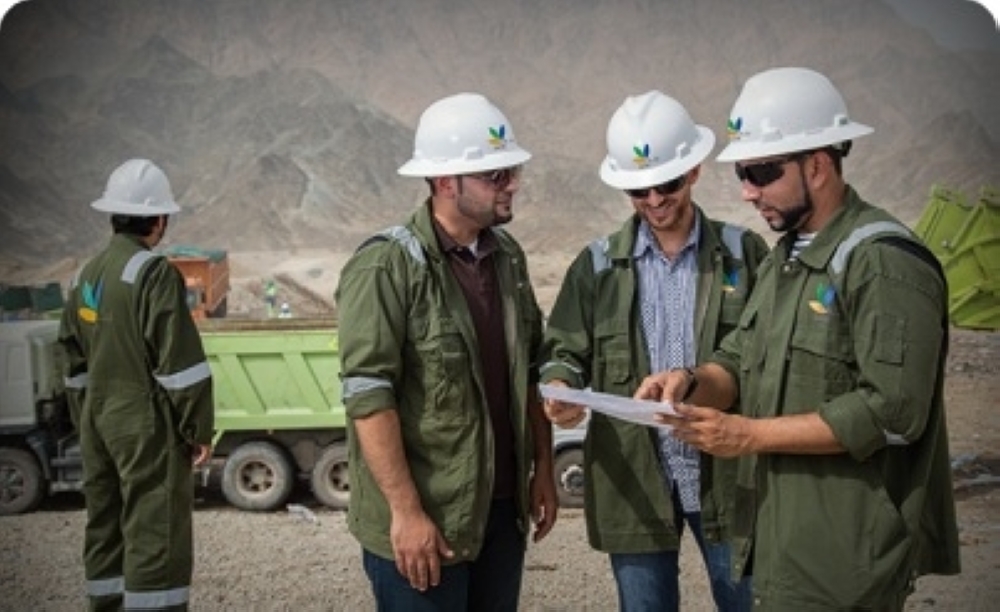
OMANISATION STRATEGY
Legal Changes: To boost Omanis’ employment opportunities, the country introduced several new labor laws and ministerial decrees. The most impactful include:
• Labour Law No. 53/2023: Introduces new rules on employment contracts, termination, and conflict resolution.
• Ministerial Decree No. 501/2024: Broadened the scope of occupations reserved for Omanis and added fines for breaches.
• Workforce Localisation Plans: Companies must file annual plans detailing the number of Omanis employed (or to be employed), their distribution by gender, salary, training, and outlined promotion pathways.
Non-licenced firms may be penalised with fines, restricted expatriate hiring, or barred from public tenders.
Omanisation Sector Goals: To foster sustainable job creation, Oman has established targeted Omanisation goals tailored to particular sectors. These depend on the strategic value and labor intensity of each sector: Banking & Insurance (60-70%), Manufacturing (35-40%), Retail/Wholesale (20-25%), Oil & Gas (40-50%), Tourism & Hospitality (30-35%), and Construction (15-20%).
These benchmarks are met through mandatory quotas, regular audits, and integration into the licensing and visa issuance processes.
The private sector is the backbone of Oman's economy, with a workforce of more than 1.7 million. Nevertheless, the share of Omanis working in it is very small in proportion to foreign workers.
Employment in the Public Sector: As noted earlier, the public sector continues to be the biggest employer of Omanis, with more than 90 per cent coming from the local population out of a total of 195,902 employees. Focused on increasing the number of Omanis in the private sector, the government has also implemented new policies and training initiatives directed at the sector.
LOCALLY DEVELOPED CONTENT AND RESULTS
Key Initiatives: A number of local content initiatives have been started at the national level to achieve the intended objectives:
• Majd Programme: Launched in 2024 by the Ministry of Energy & Minerals, this initiative mandates that 10-30% of contract value in the energy sector be allocated to Omani companies and SMEs. 12 contracts amounting to 172.5 million USD were granted in the first phase.
• Taseen and Itqan Programs: These industrial development initiatives are aimed at decreasing the volume of imports, increasing local production, and advancing research and development activities. They also promote partnerships between local companies and foreign technology partners.
Economic and Employment Impact: The economic impact of local content policies is visible on a much wider scale.
• More than $33 billion has been injected into the local economy as from 2013
• Over 3000 direct employment opportunities in the private sector
• Around 100 industrial facilities established with total investments of $400 million
SME Participation in Local Content Small and medium enterprises are a cornerstone of Oman’s local content strategy. The government has put in place systems such as Riyada and Esnad that enable SMEs access to government contracts, training opportunities, and funding options.
Oman has committed itself to develop an education and training ecosystem that cultivates market-oriented skills among its youth.
• Technical and Vocational Education & Training (TVET): Offers diploma and certificate courses in engineering, electronics, mechanics, and logistics.
• Public-Private Collaboration: Employers work with polytechnics and schools to align course content with workplace expectations.
• STEM and Digital Skills: Coding, AI, and renewable energy are national priorities.
• Mandatory Training Plans: Expat employment mandates carry with them legal obligations to train Omanis for the role.
SCULPTING VALUE AND PROFIT:
• Value Retention: Offsetting capital outflows through local production and procurement.
• Job Creation: Thousands of jobs created predominantly among women and youth.
• SME Empowerment: Entrepreneurial opportunities from greater access to tenders.
• Innovation: National competitiveness is enhanced through incentivised R&D and technology transfer.
FURTHER ISSUES AND CONCERNS:
Despite these developments, the following issues are still a concern:
• Skill Gaps: Graduates not being able to fill available roles due to a lack of essential skills.
• Compliance vs. Performance: Meeting quotas doesn’t always result in hiring the best qualified candidates.
• Misuse of SME Benefits: Larger companies registering as shell SMEs for contract access.
• Investor Uncertainty: New companies might have problems with employment demands before they become profitable.
• Expat Displacement: Rapid Omanisation may exacerbate the shortage of specialists in certain fields.
CONCLUSION
Oman is undergoing a tremendous shift within its socio-economic framework. With a blend of policy structural adjustments, strategic planning, inter-agency collaboration, and targeted investment, the country is working towards achieving an independent and more equitable economy. Moving forward, a perpetual fine-tuning towards prioritisation and market forces will be necessary, however, everything is now set. While policy is yet to be converted into action, Oman has excellent opportunities to realise its benefits and safeguard the welfare of its citisens as the Vision 2040 promises.
Oman Observer is now on the WhatsApp channel. Click here