Voters have delivered a withering verdict on the Labour government after a week in which the anniversary of their election victory was marred by shambolic U-turns and infighting.
Voters’ disapproval of the government appears to have intensified with a growing number of people opposing the government’s high-tax-high-spending policies, according to the latest Freshwater Strategy poll. The poll of eligible voters found that more than half (55 per cent) believe the Chancellor Rachel Reeves should resign while prime minister, Keir Starmer, who has insisted Reeves will remain Chancellor for a “very long time”, is also facing the pressure.
Starmer’s approval ratings have crashed to minus 38; making him the least popular politician in a monthly survey with fully 61 per cent of Brits now reporting a negative opinion of the PM. The chancellor also slipped to an approval rating of minus 37.
A majority of Brits (65 per cent) said Labour has done a good job on easing the cost of living with the same percentage unimpressed by efforts to reduce immigration. A similar percentage of voters said the government has done a poor job on welfare reform.
The latest snapshot provides insight into the challenges facing the government just 12 months on from their election win, with more voters now seeing immigration as the most important issue facing the UK. Small boat crossings are 50 per cent higher this year than at the same point in 2024, while forecasters believe that overall levels of migration will only be cut to 250,000 entrants a year (pre-Brexit levels) by 2030.
Labour ranked worse than the Conservative Party in terms of trust on reducing immigration. Voters also put inflation near the top of their list of most important issues.
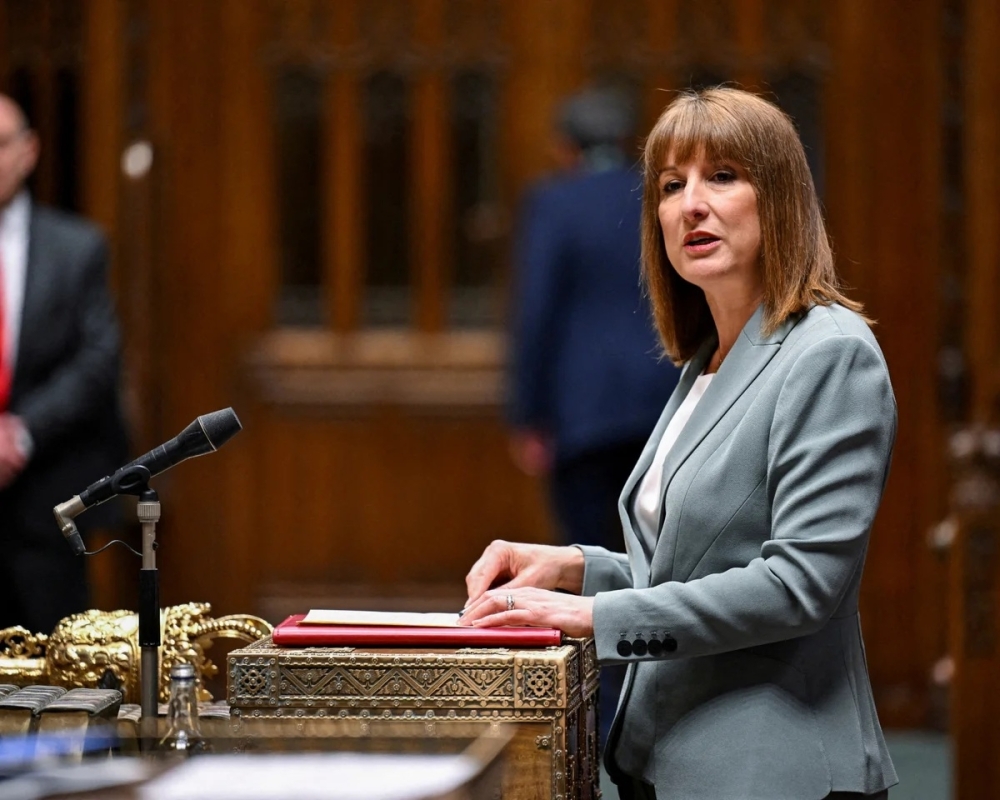
Economists in the financial district and at the Bank of England have warned that Rachel Reeves’ taxes on employers through higher national insurance contributions (NICs) was feeding through to higher prices in shops. The poll shows that only 25 per cent of voters have confidence in the government’s effort to spark economic growth, with 72 per cent either not very or not at all confident.
Treasury officials including Rachel Reeves have celebrated a string of interest rate cuts in the last year but global economic turmoil due to tariffs and higher taxes risks delaying further reductions in the coming months, policymakers have warned.
Reeves could decide to hike taxes further in this year’s autumn Budget given unfunded commitments on welfare spending and the partial restoration of winter fuel payments, altogether costing more than £5 billion.
Meanwhile, Reeves is facing renewed pressure to scrap the ring-fencing regime imposed on British banking giants in a bid to bolster the sector’s international competitiveness and bolster economic growth. The Chancellor has been lobbied by top banking chiefs to ditch the “redundant” 15-year-old legislation which requires major banks to separate their retail banking operations from their investment banking activities.
But Reeves has now been urged to re-think the regime by the wider financial services industry, KPMG data reveals. Almost two-thirds of financial services leaders have called for a ‘ring-fence’ which would adapt the current regime. Meanwhile one in five have called for the rules to be completely abolished.
Global and UK head of financial services at KPMG, Karim Haji, said: “Whichever side of the argument you sit on, the industry is calling out for fresh thinking on ring-fencing. It’s not 2008 anymore. Everything has changed, from the state of geopolitics to the way the world does business and the rules need to reflect that”.
A majority of leaders, 80 per cent, believe overhauling the system would help drive economic growth by enabling more efficient deployment of capital. Analysts have pegged NatWest and Lloyds as the top beneficiaries of a ring-fencing overhaul.
Oman Observer is now on the WhatsApp channel. Click here