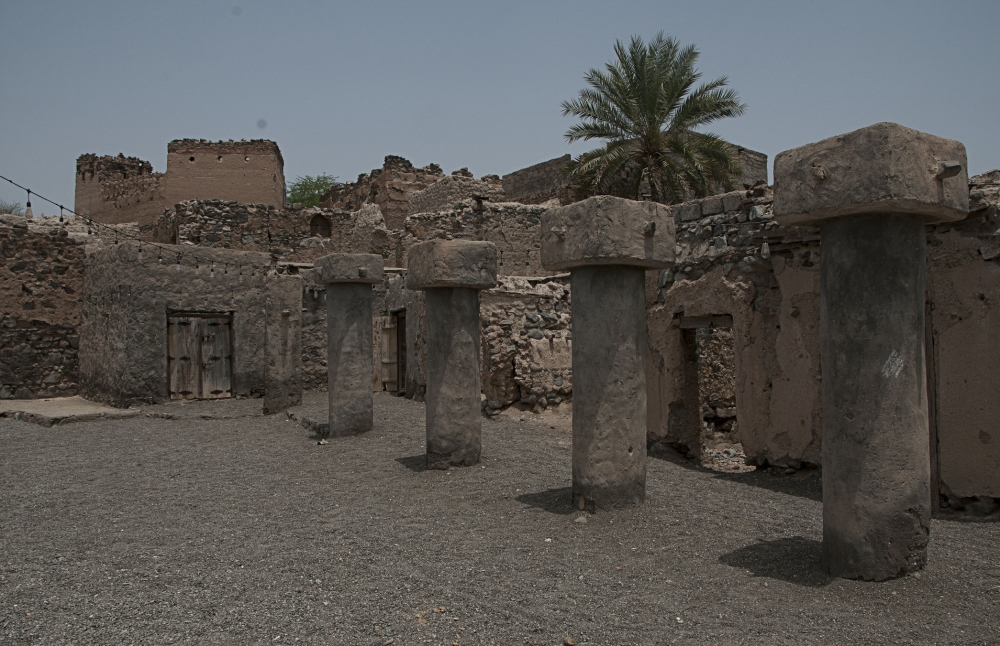





Al Minzifah village, located in the Wilayat of Ibra (160 km from Muscat), is distinguished by its forts, towers and old houses built of plaster and mud. Its facades are decorated with engravings and ornaments, making it one of Oman’s archaeological landmarks.
Although most of the village's buildings have cracked walls and some of their columns have fallen, this has not diminished its identity as a symbol of Oman's architectural arts.
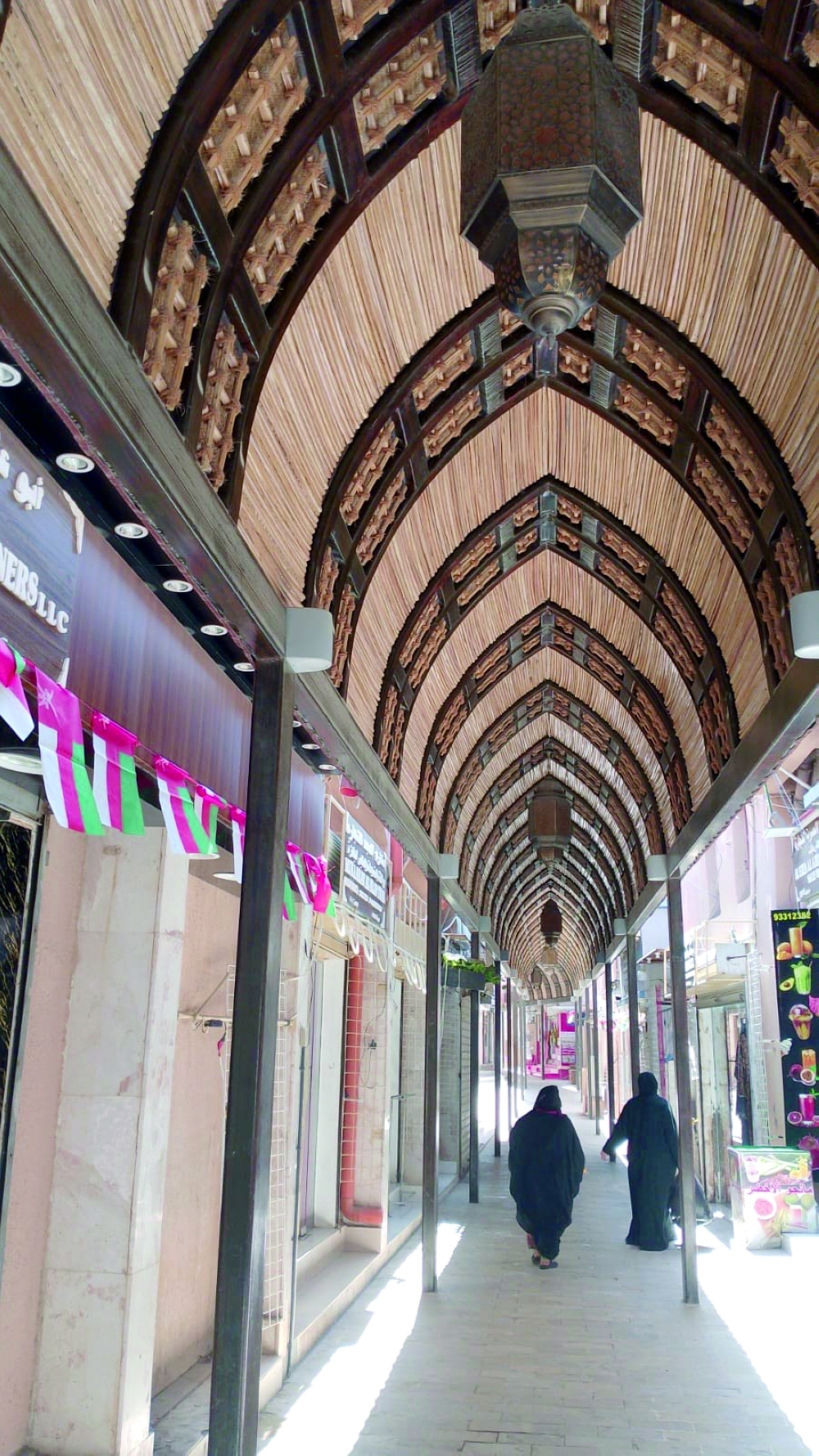
Anyone visiting this village can immediately recognise its historical and architectural significance. Historical sources indicate that it was the commercial centre of Ibra, with its architectural designs featuring shops that underscore the village's vibrant marketing activity.
In addition to its economic value, historical sources indicate that this village has succeeded in attracting many travellers and historians. Some have described it as one of the most beautiful Arab villages, with a unique Islamic and Arab character.
In recognition of its historical and economic value, the Ministry of Heritage and Tourism has undertaken a comprehensive, detailed study of this unique village. This study covers the old buildings, the surrounding green oases and the revival of traditional crafts still practiced by residents. The ministry seeks to leverage all factors that may contribute to enhancing tourism in the coming period.
The development plan also includes ‘Bait Al Derwazah’ one of the oldest houses in the village. It was built on several floors and is distinguished by its exquisite geometric carvings and decorations. The restoration of ‘Bait Al Derwazah’ dates back to 2012, in a deliberate move aimed at encouraging the villagers to restore their old homes.
Parts of these houses, which have been partially destroyed, can be restored and rehabilitated, and then invested in as museums, inns, or cafes. In addition to this house, the village includes other houses called Al Minzifah Palaces, most of which consist of two or three floors, including ‘Bait Al Shareeah’, ‘Bait Al Kabeer’, ‘Bait Al Oud’ and ‘Bait Al Boomah’.
As for the date of construction of this village, some sources date it back to the beginning of the Ya'rubi state. The oldest inscriptions on the archaeological buildings in this village date back to 1716.
Oman Observer is now on the WhatsApp channel. Click here