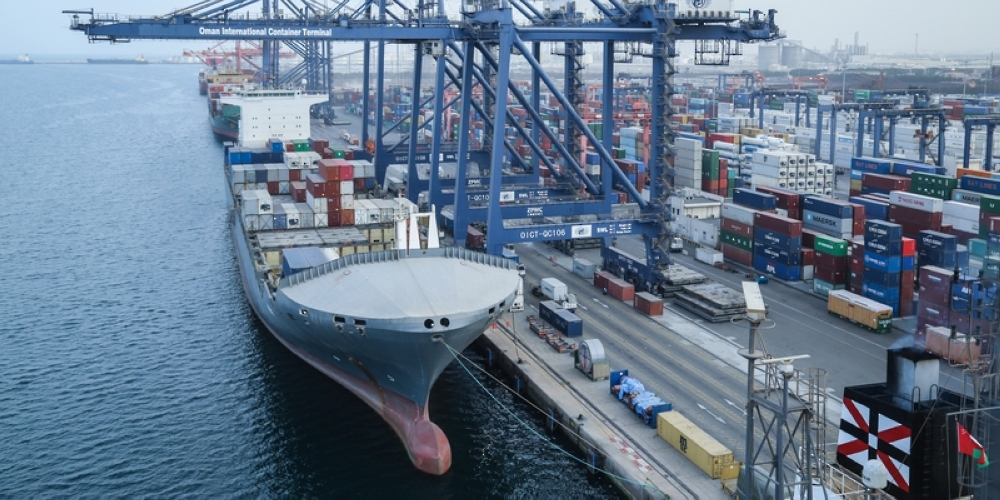
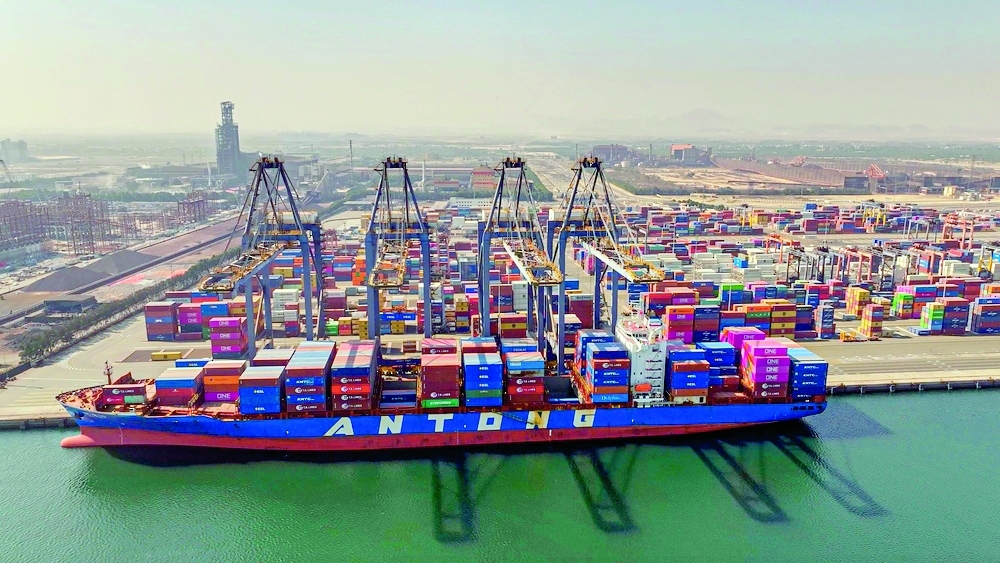
Moody’s recent upgrade of the Sultanate of Oman’s credit rating from Ba1 to Baa3, with a stable outlook, marks a major turning point in our economic journey. It is more than just a rating change — it is a clear sign that Oman has gained the trust of international markets. It reflects the progress we have made in strengthening our economy, managing our finances carefully and laying the groundwork for long-term growth.
This milestone sends a powerful signal to global markets: Oman is now an investment-grade economy and an emerging hub of low-risk, high-potential opportunity. This means lower risk for investors, more confidence in our future and better access to international financing for both the government and the private sector. At the global level, it puts Oman in a stronger position to attract foreign capital, build strategic partnerships and support private sector growth. Locally, it opens up new opportunities for businesses to grow, create jobs and invest with greater confidence.
The upgrade didn’t happen by chance. It is the result of several years of hard work and wise decision-making. One of the most important factors behind this success is the government’s clear strategy to reduce public debt. In 2021, Oman’s debt stood at around 65% of GDP. By the end of 2024, it had dropped to 35.5%. This is a remarkable achievement and reflects serious efforts to manage our resources wisely and reduce financial risk.
Alongside debt reduction, the government has shown strong commitment to controlling spending. Government expenditure as a share of GDP has dropped significantly — down to less than 29% in 2024, compared to an average of over 41% in the years between 2016 and 2020. At the same time, the cost of interest payments on debt has also come down, freeing up more funds for investment in development, infrastructure and public services.
What makes this achievement even more important is that it comes at a time when oil prices are not as high as they once were. The government has been able to manage its finances carefully, even as oil prices remain moderate. Oman’s fiscal breakeven oil price — the price needed to balance the budget — has dropped from $84 per barrel to under $70. This means that our budget is now more resilient to fluctuations in the global energy market.
All of these efforts have created a stronger, more stable economic environment. But the real value of this upgrade lies in what it makes possible. It opens the door to new opportunities — especially for investors and businesses. With an investment-grade rating, Oman will now be able to access international finance at lower interest rates.
This helps the government, of course, but it also benefits banks and businesses. Banks will be able to borrow funds at better rates from international markets and pass those benefits on to local companies through more affordable loans.
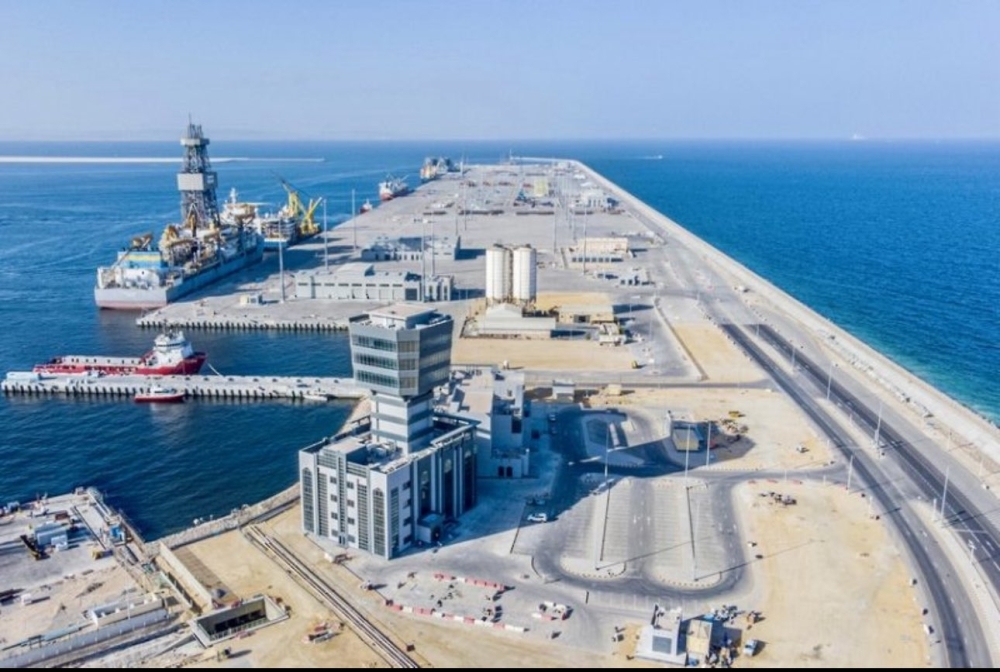
This is especially important for small and medium-sized enterprises, which are the backbone of our economy. Improved access to capital empowers SMEs to scale operations, generate employment and reinforce Oman’s economic base. For foreign investors, this is a clear signal that Oman is a safe and promising destination for long-term investment. Sectors like logistics, tourism, clean energy, technology and manufacturing all stand to benefit from this renewed confidence.
The rating upgrade also supports Oman’s long-term vision to build a diversified economy. While oil and gas will continue to play an important role, the government has already taken steps to reduce our reliance on hydrocarbons. A key example includes major investments in green hydrogen, green steel and renewable energy industries — sectors that will define the global economy of the future. Oman is also expanding its liquefied natural gas production, aiming to increase capacity by 30% by the year 2030.
These efforts not only reduce risk, but also create exciting opportunities for both local entrepreneurs and international partners. The business environment in Oman is becoming more attractive, more reliable and more supportive of innovation and growth. We are creating the right conditions for investors to thrive — and for the private sector to play a leading role in national development.
However, while this upgrade is a moment to celebrate, it also comes with responsibility. Oman must continue on the path of reform, diversification and prudent fiscal management. Global challenges remain, especially with shifting energy markets and environmental pressures. But the progress we’ve made gives us the strength and flexibility to adapt and succeed. Now is the time to double down on these efforts — encouraging innovation, empowering the private sector and building strong partnerships with global investors.
We must also make sure the world knows what Oman has achieved. This is the time to promote our success, to showcase our business potential and to invite global partners to be part of Oman’s next chapter. We have the foundation in place. The institutions are stronger, the vision is clearer and the world is watching.
In short, Moody’s upgrade is not just a reward for past efforts — it is an invitation to shape the future. For local businesses, for global investors and for all those who believe in Oman’s potential, this is the moment to act. With unity, vision and confidence, Oman is ready to grow — stronger, faster and more sustainably than ever before.
Oman Observer is now on the WhatsApp channel. Click here