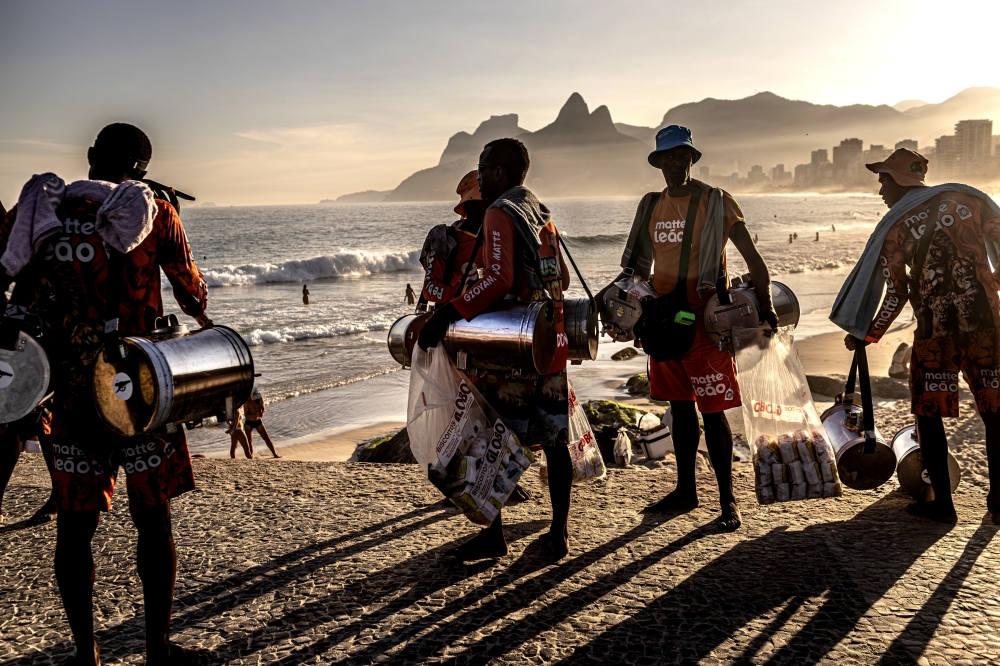





RIO DE JANEIRO — On the beaches of Rio, just about anything you need will come to you.
The sand has long been an open-air, democratic marketplace.
Vendors come down from poor hillside neighborhoods to sell chairs and umbrellas, grilled meat and beer, soccer balls and swimsuits.
The vendors — with their colorful outfits and creative calls for attention — have become part of the Rio beach landscape.
Their flow can be incessant, but they are part of the show.
Now that may be changing.
Rio’s mayor has issued a decree to regulate the city’s 30 miles of coastline, including rules on vendors, music, and the beach’s aesthetic.
Many residents fear that it will change Rio’s beach culture as they know it.
Up and down Rio’s coast, 600 “barracas,” tarp-and-pole beach stalls, rent chairs and umbrellas and sell coconuts and caipirinhas, Brazil’s national cocktail.
The structures are erected every morning and disassembled every night.
The barracas have long added colorful flair to the coastline, with creative advertisements and distinctive flags.
But under the new rules, which went into effect this month, the barracas must remove all flags and use standardized black-and-white signs, with the same font and size.
The result is a lifeless, monotone aesthetic — the opposite of the vibrant, diverse scene that Rio’s beaches are known for.
Rio’s mayor, Eduardo Paes, said the move was meant to prevent “visual pollution” that was “turning Rio de Janeiro’s greatest asset and greatest landscape into a real mess.”
City leaders say the black-and-white design might be temporary if officials can agree on an alternative.
Few beachgoers like it.
The decree also requires beach vendors to obtain licenses, something few have, and prohibits any items used to prepare food, including gas canisters, charcoal, wooden skewers, and plastic foam coolers.
That means an effective ban on some of Rio’s most famous beach foods: boiled corn, skewered shrimp, and barbecued meat and cheese.
Some vendors have already been fined, and others have been scared off by the new rules. But enforcement has been mixed.
Vendors said the work represented one of their only options to make a living. Many said they could make $10 to $100 a day, depending on the weather.
Eduardo Cavaliere, Rio’s vice mayor, said in an interview that the rules were necessary to impose some order on a sometimes chaotic scene. But he said the city would seek ways to keep many vendors on the beach.
The city has tried similar rules in years past. Paes once threatened to bar sellers of maté, or iced tea, who carry metal tanks of the drink around their necks.
The mayor backed off after a backlash. Instead, he made maté sellers some of the few licensed vendors on the beach.
“No matter what we do, there will continue to be organized chaos,” said Cavaliere, the vice mayor. “That’s the identity and the beauty of Rio de Janeiro’s beaches. But we need to have a minimum of rules.”
He lives right off Ipanema Beach, he said, and his favorite beach snack is now banned: boiled corn.
This article originally appeared in The New York Times.
Oman Observer is now on the WhatsApp channel. Click here