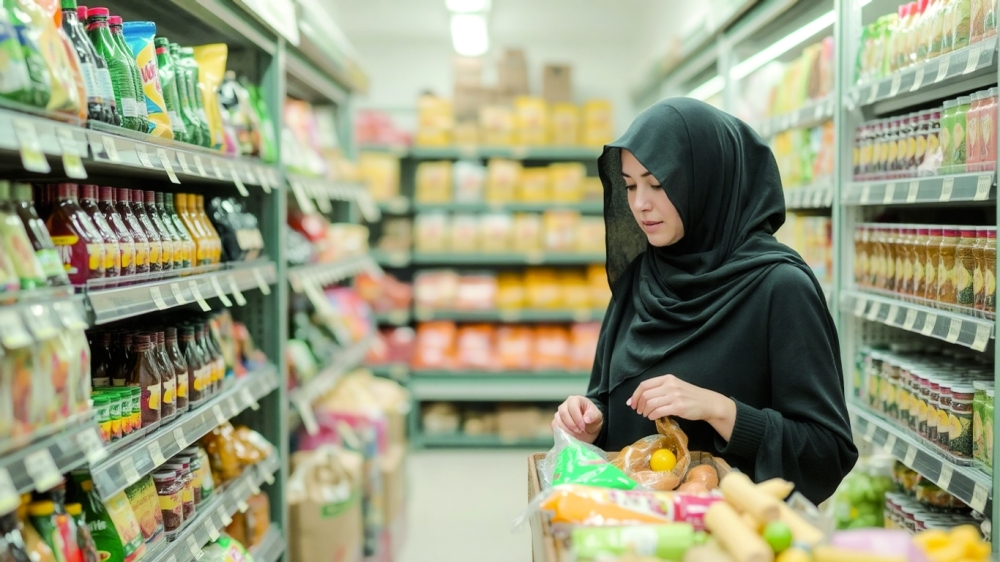
Every time I choose to spend my money in Oman — whether at a high-end boutique, a modest stall in Muttrah Souq, or a local grocery store — I am met with astonishment. Friends and acquaintances often express surprise, even disbelief, that I don’t prefer to shop during my frequent travels to Europe or the US (and to some Dubai), where goods are often cheaper, trendier, or more varied. But to me, choosing to buy in Oman is not simply about convenience or cost; it is a conscious act of national pride and economic support. It is about being a nationalist in the most practical sense of the word.
We live in a time where consumerism has gone global. Social media floods us with influencers flaunting foreign brands, encouraging us to chase products from abroad. In this atmosphere, buying local can be dismissed as backward or unnecessarily expensive. Omanis frequently complain that the local buying power is low, that the choices are few, or that the products are outdated. But I see this as a classic catch-22. If we all refrain from purchasing locally, then of course local markets will stagnate. The merchandise will sit on shelves, unsold, until it becomes irrelevant. Businesses will not take the risk to import better goods, nor will local manufacturers innovate, simply because the demand is not there.
To me, every Omani rial spent locally is a vote for the future of our economy. When I choose to buy from a local shop instead of flying to Dubai for a cheaper version, I am signalling to that business owner — and the larger economic ecosystem — that there is value in staying, growing and evolving in Oman. I am contributing to the circulation of money within the country, rather than letting it disappear into foreign economies that have already reached maturity.
This is why I rarely haggle in places like Muttrah Souq, even when bargaining is expected. Many view this as foolish or naive, but I see it as an investment. That small vendor I pay a few rials more to may be supporting a family or trying to keep a centuries-old trade alive. My extra rial might be insignificant to me, but to them, it could mean the ability to restock, repair, or reinvest. This is also why I don’t object too strongly to buying from larger, monopolised companies — so long as they operate within Oman, employ Omanis, and contribute to our national development. Even in these big companies, every job created matters, every tax paid supports public infrastructure and every success story adds to our national pride.
There is also an emotional dimension to buying local. Supporting Omani products helps preserve our culture, our craftsmanship and our stories. Whether it's an abaya stitched in Muscat, dates harvested from an interior farm, a piece of silver jewellery from Nizwa, or perfume mixed in a small workshop, these goods carry a sense of place and belonging that imported goods simply cannot replicate. When I wear or use them, I feel rooted. I feel that I am participating in the collective narrative of what it means to be Omani.
Nationalism is not only about waving a flag on National Day or sharing patriotic messages on social media. It is also about the quieter, everyday choices we make — where we eat, what we wear, how we shop. If we all took pride in investing in our local economy, Oman’s markets would evolve. Products would improve. Innovation would follow. Opportunities for Omanis would increase. The economy would diversify. And our national identity would be strengthened from within.
So no, I don’t travel to buy what I can find here. I pay a little more, and I do so gladly. Because in every rial I spend, I am choosing Oman.
Oman Observer is now on the WhatsApp channel. Click here