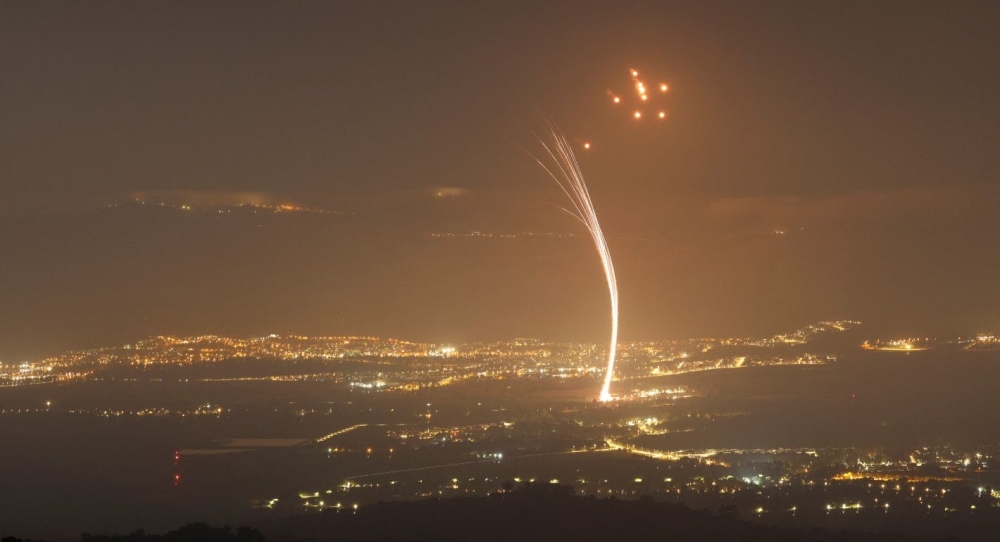
The skies over the Middle East darkened with more than smoke a couple of weeks back. They dimmed with fatigue, a sense of cruelty, and the stressful truth that once again, two nations had danced to the edge and dropped over. A few weeks ago, the skies over the Middle East darkened with more than just smoke. They were heavy with fatigue, cruelty and the bitter truth that two nations had danced to the edge and fallen over.
For 12 days, Iran and Israel waged a real war. Decades of tension seemed to explode in one boiling conflict, shaking the foundations of the region and challenging the assumptions of the world. Then came the silence; the guns stopped, but peace is not silence.
In the aftermath of war, peace is often spoken of as a destination as the end of violence, the silencing of weapons, the absence of bloodshed. However, the true peace is more than just the cessation of conflict. It is a process — a complex, difficult rebuilding of lives, relationships and societies shattered by violence.
Many see peace as a passive return to normalcy. In reality, true peace, especially after war, is far from passive. It is active, deliberate and hard-won. It carries the burden of memory, the weight of loss and the lessons that must never be forgotten. As someone once said, history never says goodbye; it says, "see you later."
Every war leaves behind a trail of damage, cities reduced to rubble, families distressed, futures rewritten and communities torn apart. Soldiers return home carrying both visible and invisible scars. Civilians live with empty chairs at dinner tables and names etched permanently into memory.
Beyond the physical destruction, war breaks trust, spreads fear and fuels cycles of hatred. When the final battle ends, its emotional and psychological toll remains far longer. In this way, peace comes at the cost of these lives and legacies; it is built upon them.
Therefore, rebuilding after war must address not only physical infrastructure such as schools, hospitals, roads and homes, but also emotional and psychological recovery. People must be supported in rebuilding trust and reclaiming a sense of safety and purpose.
Peacebuilding also often requires support from the international community. Humanitarian aid, peacekeeping efforts and diplomatic engagement can help ensure that post-war transitions are stable and just. However, foreign involvement must be respectful of local cultures and dynamics, supporting not undermining the peace process.
Indeed, peace after war is never easy. It is filled with setbacks, tensions and the risk of renewed violence. Yet history shows that even the deepest wounds can begin to heal. The people of Israel and Iran alike are exhausted, not only from this latest conflict, but from decades of fear, uncertainty and hostility. There is no guarantee that peace will hold. But there is also no future in repeating the past.
What must always be remembered is that peace is not simply the absence of bombs. It is a sustained commitment to dialogue, mutual security and shared humanity. This war may mark a turning point as militaries have shown what they can do. Now it is time to see what diplomacy can achieve.
The world must demand more from its leaders — not silence, not threats, not vengeance, but a genuine commitment to diplomacy, dignity and lasting peace. If the international community fails to seize this moment, the next war may be far worse and peace may slip even further out of reach. Peace is not built by ink and handshakes alone. It is built by the courage to confront the horrors of war and say, “Never again.”
As we reflect on conflict, let us not see peace as the closing chapter, but as the beginning of something new. Perhaps, a chance to rebuild with wisdom, to govern with compassion and to live with the humility that comes from knowing how quickly destruction can return.
In the silence after the storm, peace speaks not in victory, but in memory, not in pride, but in promise. Peace is a wound stitched, not erased.
Oman Observer is now on the WhatsApp channel. Click here