




MUSCAT: The Ministry of Commerce, Industry and Investment Promotion is spearheading efforts to modernise Oman’s business environment by leveraging digital platforms that simplify procedures, foster innovation, and enhance investor confidence. These initiatives support international best practices, aiming to boost the ease of doing business and attract investment across sectors.
At the centre of this transformation is the "Oman Business" platform, offering a comprehensive suite of digital services. These include commercial registration, licensing, agency and intellectual property management, certificate issuance, and company liquidation. The platform operates as a unified digital interface, designed to streamline operations and reduce bureaucratic hurdles.
The platform is integrated with 17 government entities and exchanges data with 35 others, including the Oman Chamber of Commerce and Industry. Ten government entities have activated the compliance register, reinforcing a collaborative ecosystem that enhances service efficiency. As of the end of 2024, over 76.5% of the Ministry’s services were digitised, and 89% of commercial activities were automatically licensed. Since April 2021, more than 328,000 licences have been issued automatically.
Advanced technologies such as artificial intelligence are embedded in services like "Know Your Customer", enabling foreign investors to register remotely without a residency card, using biometric verification. The "Investment Guide" simulates the registration process, providing step-by-step guidance on required documents, approvals, and fees—making the investor journey more seamless.
Complementing this is the "Invest in Oman" platform, a digital gateway to the country’s investment landscape. It offers insights into incentives and opportunities across free zones and economic zones, while facilitating communication with potential investors. Since its launch in February 2023, the platform has received 90 investment applications valued at RO 5.38 billion, with 43 projects worth RO 2.25 billion localised in key sectors such as industry, healthcare, food security, and renewables.
To support local businesses, especially SMEs, the "Made in Oman" platform plays a strategic role. Since its launch in February 2024, over 5,000 products from 380 Omani factories have received the "Made in Oman" label. The platform promotes these products domestically and internationally, enhancing their visibility, increasing production, and creating employment opportunities across production, management, and marketing.
Additionally, it connects SMEs to procurement opportunities in both public and private sectors, supporting operational growth. The platform also strengthens national supply chains by reducing reliance on imports and improving self-sufficiency.
The “Ma’arouf Oman” platform enhances e-commerce trust by authenticating licensed online stores. It links shops to their official records, increasing consumer confidence. Registered stores have risen by 236.4% since the platform’s launch.
In the realm of digital commerce, the Ministry developed the National E-Commerce Plan under the “Tanwee” programme, approved in Q3 2021. The plan comprises 30 initiatives, with three directly managed by the Ministry—now fully implemented. This strategy supports a robust legislative framework and promotes e-commerce expansion until 2027.
To ensure product quality and stimulate innovation, the Hazm platform identifies items requiring conformity certification and links them with accredited assessment bodies. As of mid-2025, 21 such bodies were registered, with 333 national conformity certificates and 3,789 energy efficiency labels issued. Hazm supports SMEs by guiding them through regulatory requirements and fostering a competitive, high-quality industrial environment.
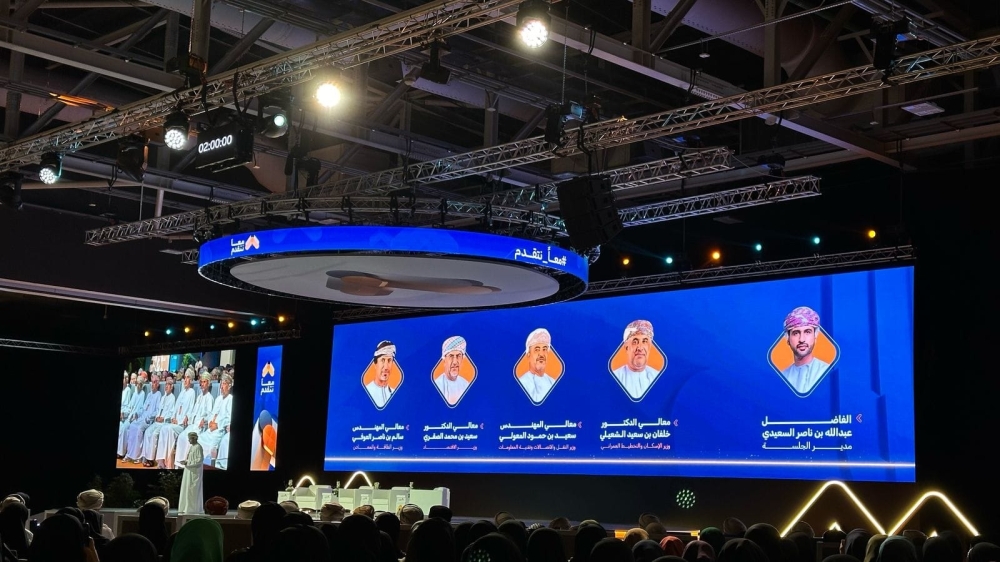
The Oman Business Forum complements these efforts through knowledge-sharing sessions that bring together experts, policymakers, and investors to exchange views on investment trends and business reforms.
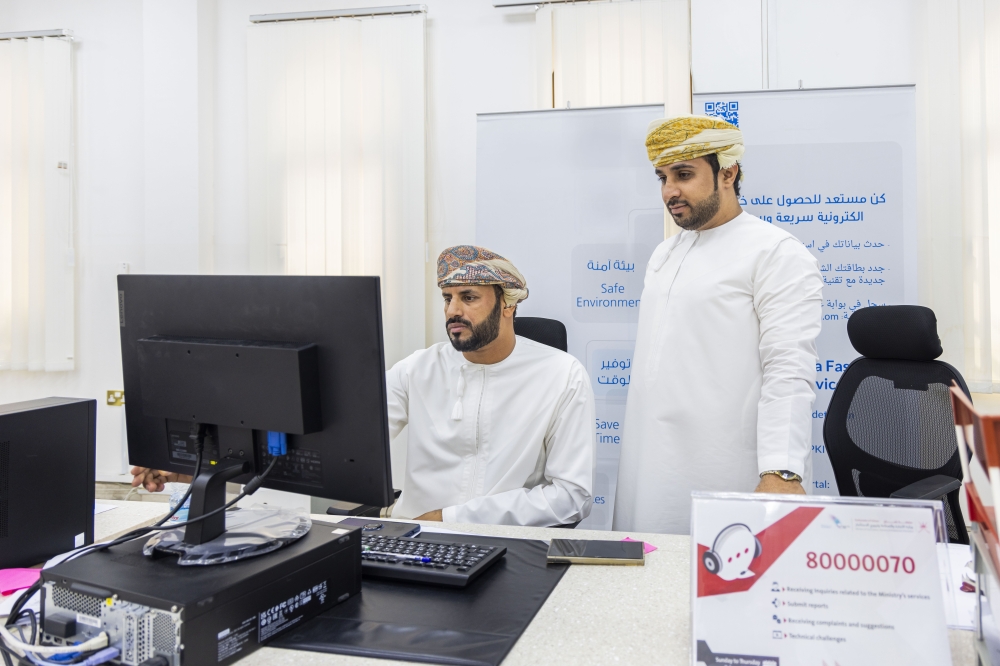
Meanwhile, Sanad Service Centres are expanding rapidly, offering 377 electronic services in partnership with 25 government and private institutions. In 2024 alone, these centres completed over 872,000 transactions. By June 2025, there were 920 centres, employing more than 2,365 individuals—60% of whom are women, with 65% of staff aged between 20 and 39.
Oman Exports, a groundbreaking digital export platform launched by the Ministry, has revolutionised how Omani products reach global markets. It facilitates export processes, offers promotional tools, and connects local producers with international buyers. Together with the "Made in Oman" platform, it enhances product visibility, competitiveness, and integration into global value chains.
These platforms also enable manufacturers to access government services, conduct market analyses, and adapt their products to international standards. Performance metrics show rising numbers of digital licences and increased registration of factories and products, underlining the platforms’ impact on Oman’s economic growth and the private sector’s contribution to GDP.
To maintain high standards, platforms are integrated with national inspection systems and quality certification schemes. The Ministry continues to raise public awareness around the superiority of Omani products and their compliance with global benchmarks.
Looking ahead, the Ministry is focused on enhancing platform functionality through AI and data science to better serve sector-specific needs. According to Mubarak bin Mohammed al Dohani, Director General of Planning and Head of the Digital Transformation Team, these platforms are now strategic enablers of economic growth, technological localisation, and youth empowerment—key to Oman’s sustainable development. — ONA
Oman Observer is now on the WhatsApp channel. Click here