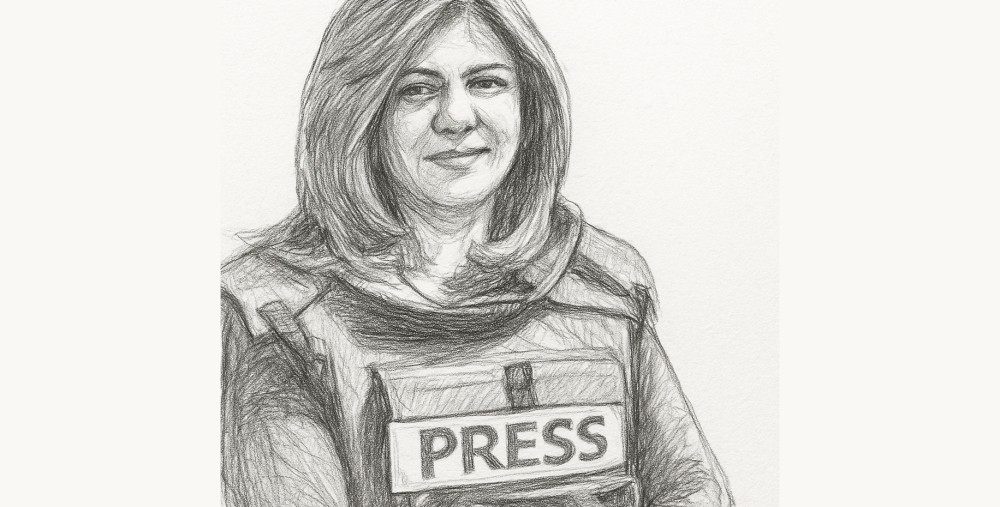





Arab women have significantly impacted the media landscape, serving as presenters, journalists, writers, and leaders. In recent years, they have made notable progress across various media sectors, gaining more opportunities in print, radio, television, and digital platforms. Influential female figures have emerged, shaping public opinion and making their mark even in conflict reporting. Among these trailblazers, Shireen Abu Akleh stands out for her dedicated journalism that reshaped media coverage in Palestine. As a seasoned correspondent for Al Jazeera, she broadened international focus on Palestinian issues, highlighting the struggles and narratives of the Palestinian people. Her professional and thorough reporting aimed to present the Palestinian voice authentically. Shireen became a recognised figure in both Palestinian and Arab households, celebrated for her insightful and timely content. Her untimely death in 2022 was a significant loss to the journalistic community.
In Egypt, Lamis El Hadidi has emerged as a key media personality known for her in-depth coverage of political and social issues. With a neutral and professional approach, she has effectively spotlighted corruption and injustice within Egyptian and Arab communities, particularly concerning vulnerable groups. Lamis is also dedicated to advocating for women’s rights and promoting tolerance in Arab societies.
While many Arab women face significant hurdles in media employment due to deep-rooted gender biases, Oman presents a different narrative marked by progressive changes and supportive frameworks. A trailblazer in this regard is Muna Mahfoudh, recognised as Oman’s first female television presenter. Starting her career during a time when women’s representation in media was scarce, Muna encountered numerous challenges, including societal doubts and limited opportunities. However, her determination, along with community and government support for gender equality, allowed her to succeed as a respected media figure.
Building upon this foundation, Omani women are increasingly thriving in diverse media roles, from journalism to digital platforms. Pioneers like Rahma Hussain Al Issa and Muzna Al Musafer are leading the way. Muzna, Oman’s first female film director, has profoundly impacted the media landscape through her work in filmmaking, mentorship, and cultural advocacy. Her acclaimed films, such as Niqaab and Cholo, have received international accolades, with Cholo winning Best Script at the Abu Dhabi Film Festival in 2013. Beyond directing, she mentors aspiring filmmakers, conducts workshops, and organises screenings to promote Omani cinema. Her active participation in regional film festivals and discussions about Gulf cinema’s future further enriches Oman’s media community, reflecting the country’s cultural diversity.
This progress is further supported by government initiatives aimed at promoting gender equality and empowering women. The Basic Law and labour regulations aligned with international standards have created a favourable environment for women’s workforce participation. Huda Hamad, an Omani writer and journalist, has remarked on the remarkable evolution of women’s representation in Omani cultural media. Women are taking on various roles, indicating a commitment to gender inclusivity.
Despite ongoing challenges, such as balancing work and personal life, there is a clear movement towards greater inclusion. Initiatives like the ‘Tasmu’ programme by the Royal Academy of Management are vital for enhancing women’s leadership skills across sectors. Launched in 2024, Tasmu aims to develop the leadership capabilities of Omani women across the public and private sectors, and civil society, aligning with Oman Vision 2040’s goal of fostering an environment where women can excel.
Complementing these efforts, programmes like Sidrah 3.0 empower young Omani women to effect change in their communities. Sidrah 3.0, a transformative six-month youth leadership development programme, recently celebrated the graduation of 61 participants from nine governorates. The programme emphasises leadership, problem-solving, and entrepreneurship, preparing participants to thrive as future leaders and aligning with Oman Vision 2040’s objectives.
Through these combined efforts, Omani women are not only breaking barriers in media but are also shaping the nation’s future across various sectors.
Oman Observer is now on the WhatsApp channel. Click here