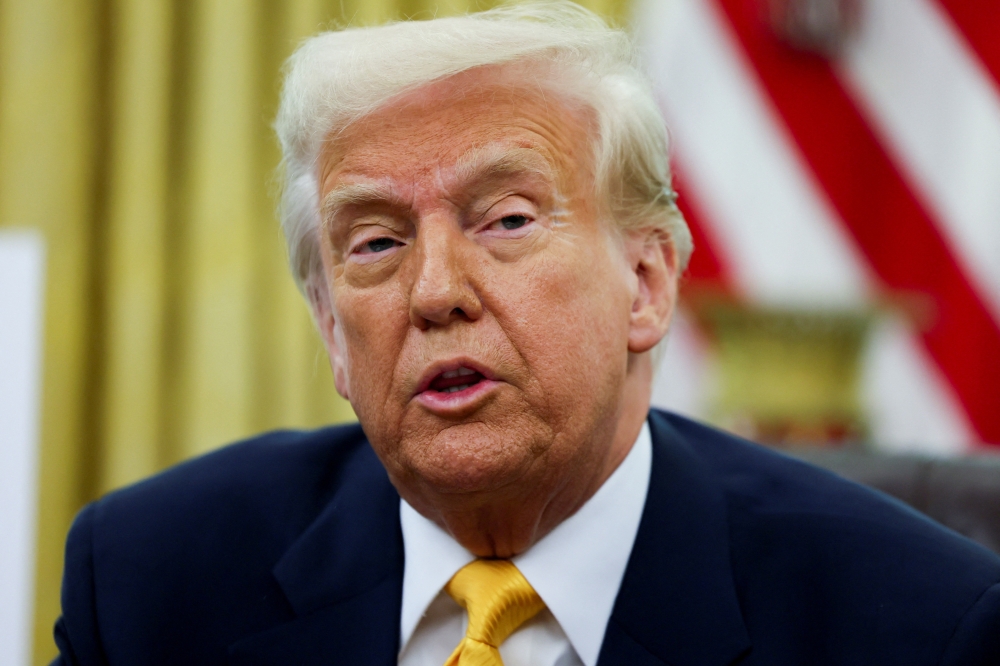
On June 22, 2025, the United States launched a military operation called 'Midnight Hammer' against three nuclear facilities in Iran: Fordow, Natanz and Isfahan.
The US claimed the goal was to stop Iran from developing nuclear weapons. These strikes were the first direct American attack in the recent Iran–Israel conflict, which began earlier that month when Israel carried out its own strikes.
Many experts in international law said the American action was illegal. According to Article 2(4) of the UN Charter, the use of force is forbidden unless it is in self-defence after an armed attack or approved by the UN Security Council. In this case, Iran had not attacked the US, and there was no Security Council authorisation. As a result, the strike is widely considered a pre-emptive attack, which is not allowed under international law.
Despite this, Western governments reacted with silence or support. Nato's Secretary-General Mark Rutte claimed the strike did not break international law. German Chancellor Friedrich Merz said there was 'no reason to criticise' the US action.
British Prime Minister Keir Starmer called Iran’s nuclear programme a 'grave threat' and supported the strikes, even though the UK had no direct role. Only French President Emmanuel Macron said the strikes were illegal, but he still agreed with the idea that Iran’s programme must be stopped.
This is an example of the West applying double standards. When Russia attacked Ukraine in 2022, Western leaders loudly defended international law and national sovereignty. But when the US ignores those same rules, many of these leaders remain silent. The law is treated as flexible depending on who is breaking it. This weakens the idea of justice and fairness in global politics.
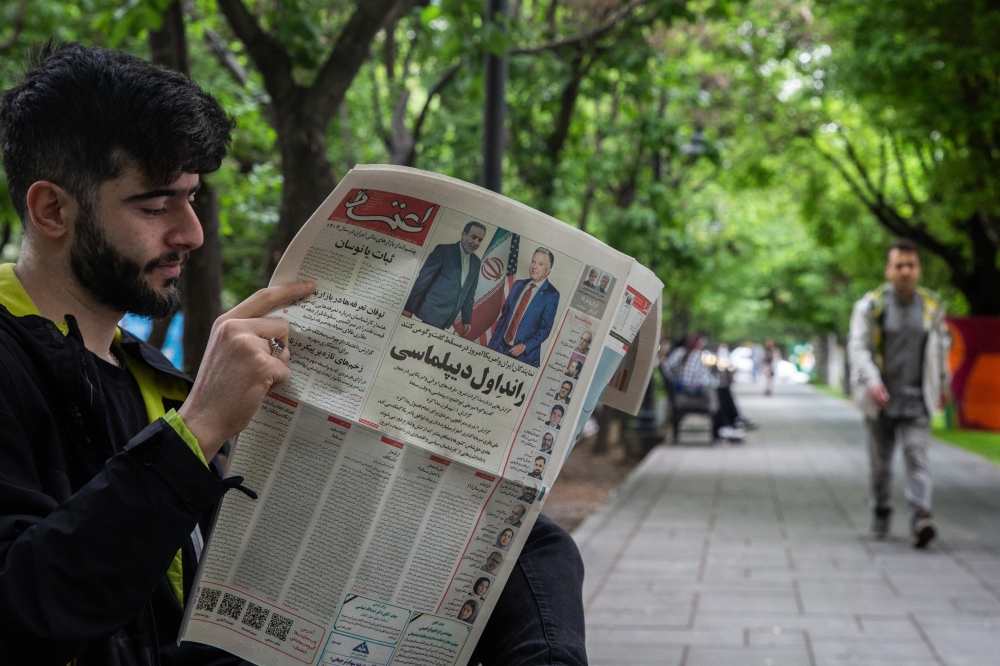
The Western media also showed bias. In the United States, newspapers like The New York Times and The Washington Post called the strikes 'necessary' and 'inevitable'. They focused more on technical damage than legal or moral questions. They repeated President Trump’s claim that Iran’s nuclear programme was 'obliterated', even though later intelligence reports showed the damage only delayed the programme by a few months.
CNN, another major US network, highlighted Nato's defence of the strike, but gave very little space to international law experts who disagreed. Most American media avoided discussing whether the action was legal. They mostly supported the US government’s version of the story.
In Europe, some outlets like the BBC and Politico.eu gave more attention to legal issues. They reported Macron’s concerns and included intelligence that questioned US claims. But even they often accepted the wider Western view that Iran is a dangerous state and that stopping its nuclear development is justified - even if the method is illegal.
There is another issue often forgotten in these reports: Iran is a member of the Nuclear Non-Proliferation Treaty (NPT) and remains under the supervision of the International Atomic Energy Agency (IAEA). At the time of the strikes, the IAEA had not confirmed Iran was building nuclear weapons. Meanwhile, Israel has never joined the NPT and is believed to possess nuclear weapons. This important detail is almost never mentioned in Western coverage.
The result is a picture that always shows Iran as a threat and Israel or the US as protectors. This is not balanced journalism. It helps to justify military actions and hides the legal and human consequences.
Former UN secretary-general Kofi Annan once said, “If the rule of law is to mean anything, it must apply equally to all.” Today, that rule seems weak. Powerful countries are allowed to act outside the law, while weaker nations are judged more harshly. This harms the credibility of international law and may lead to more conflicts in the future.
If the international community wants peace and justice, it must return to fairness. Law should not change based on politics. Media should question every government equally. And strikes like the one on Iran must be judged by the same rules we apply to others. Without this, the law becomes just another weapon for the strong.
Oman Observer is now on the WhatsApp channel. Click here