




TEHRAN: Iran could transfer its stocks of enriched uranium to another country in the event of an agreement with the United States on Tehran's nuclear programme, Iran's UN Ambassador Amir Saeid Iravani said on Saturday, according to news site Al-Monitor.
A transfer of 20 per cent and 60 per cent enriched uranium would not be a red line for Tehran, Iravani said, adding that the material could alternatively remain in Iran under International Atomic Energy Agency (IAEA) supervision.
However, he stressed that Iran would not renounce its right to domestic uranium production, a condition the United States firmly rejects.
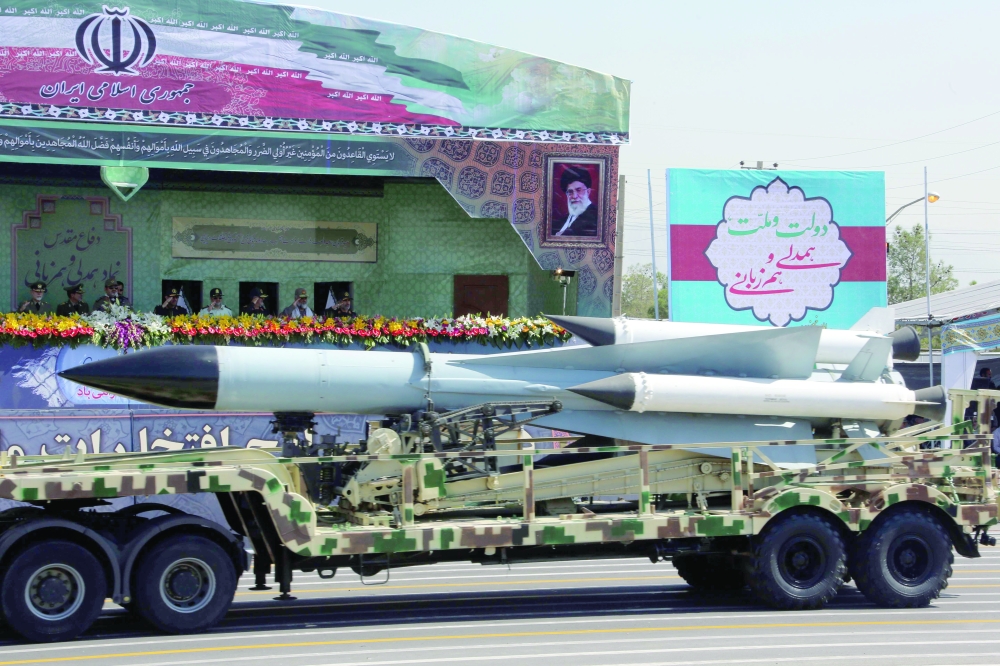
Iravani also ruled out any restrictions on Iran's ballistic missile programme and reiterated that a new agreement would hinge, among other conditions, on the lifting of international sanctions.
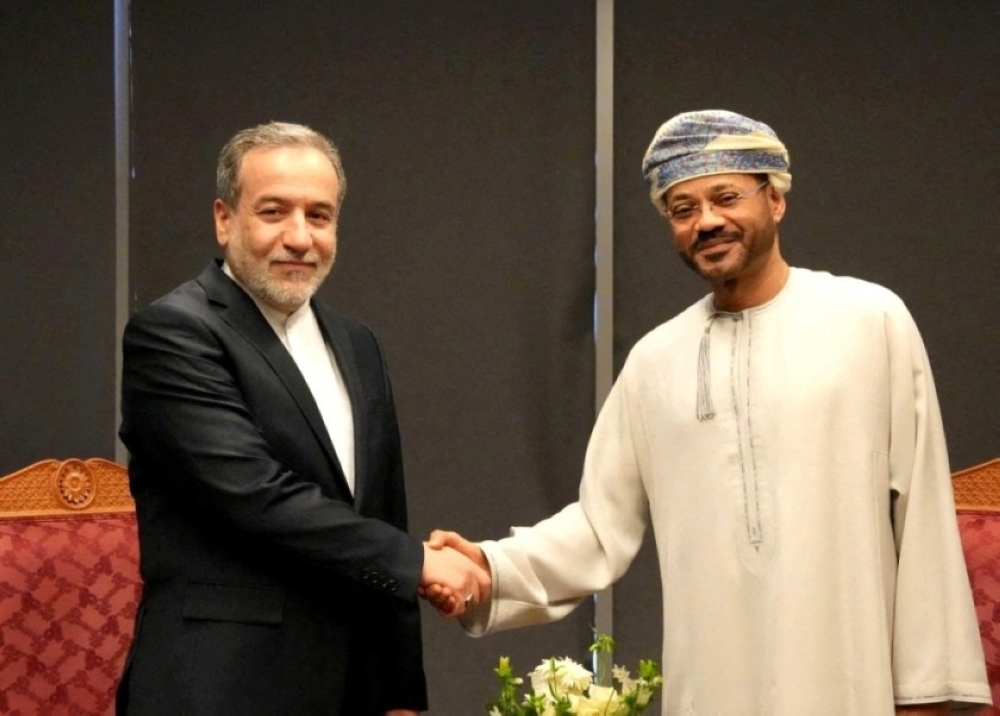
His remarks come hours after Iranian Foreign Minister Abbas Araghchi posted on X late Friday that Iran is fundamentally willing to resume nuclear negotiations with the United States, though he urged US President Donald Trump to moderate his tone.
"If President Trump is genuine about wanting a deal, he should put aside the disrespectful and unacceptable tone towards Iran's Supreme Leader, Grand Ayatollah Khamenei and stop hurting his millions of heartfelt followers," Araghchi said. "Good will begets good will and respect begets respect".
Trump recently said that new talks with Iran would take place "next week," though he offered no further details. Several previous rounds of negotiations between Washington and Tehran have failed to yield an agreement.
Earlier this month, tensions escalated sharply when Israel, accusing Iran of fast-approaching a point of no return in its goal of obtaining atomic weapons, carried out strikes on nuclear sites, defence positions, cities and energy infrastructure during a 12-daywar.
More than 20 high-ranking Iranian military officials were killed, some in their homes. The US also intervened with a strike on Iranian nuclear facilities.
Trump later said the attacks had set back Iran's nuclear programme by years and when asked if he would strike again should uranium enrichment continue, he replied in the affirmative, insisting Iran must not acquire nuclear weapons.
In response to the attacks, the Iranian parliament passed a law this week suspending cooperation with the IAEA. However, Tehran has not formally notified the agency and experts warn that negotiations cannot proceed without the IAEA's technical oversight.
Iran maintains that its nuclear programme is intended solely for civilian purposes.
The IAEA believes Iran has managed to produce 400 kilogrammes of uranium with a purity level of 60 per cent.
Experts say this could be used to produce several nuclear weapons if the material were further enriched to 90 per cent. It is unclear what happened to the stockpile in the wake of the attacks by Israel and the US.
Oman Observer is now on the WhatsApp channel. Click here