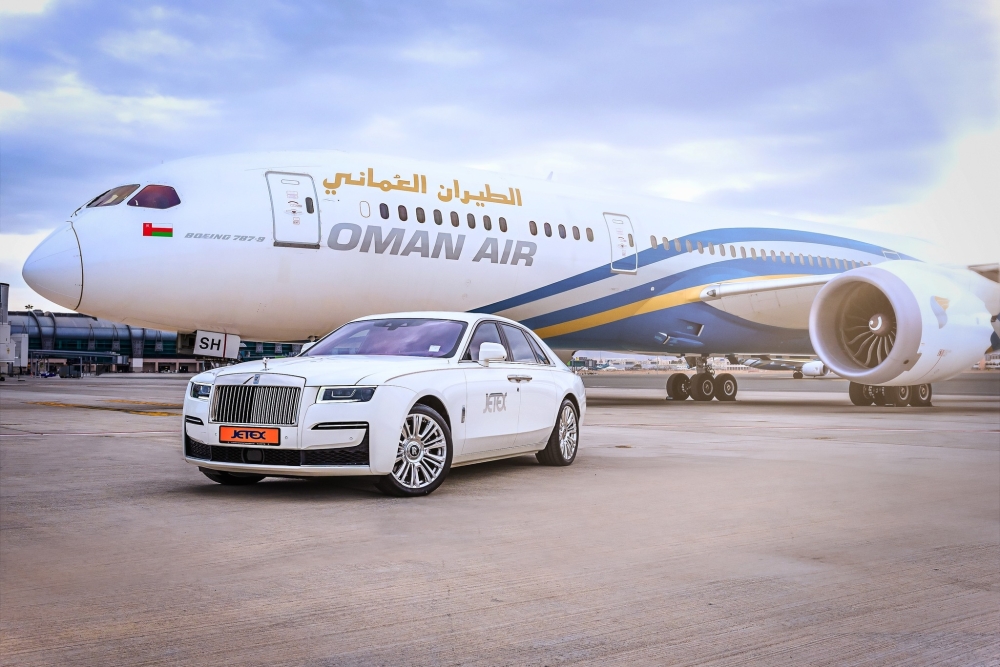
The cotton tote in my handbag has become muscle memory. Unroll, fill it with tomatoes and coriander, and feel the weave tighten across my knuckles. On Monday evening while shopping in Muttrah, that rhythm was interrupted by a headline on my phone: Qatar had shut down its airspace. More than 160 flights were grounded or turned around after missiles were reportedly fired in the region, raising concerns around the Al Udeid Air Base near Doha. A Qantas jet flew fifteen hours to nowhere, returning to Australia without ever landing in Doha.
The announcement came quickly, and the disruption was immediate. Though the closure lasted only a few hours, the sense of fragility lingered. For a brief moment, it felt like a glimpse into how swiftly normal life can be unsettled by forces far beyond our control. In that moment, I found myself thinking not only about warplanes and airspace, but about the everyday systems we rely on; food, water, shelter and routine.
It is against this backdrop that Oman prepares to launch the third phase of its single-use plastic bag ban on July 1. Fruit stalls, bakeries, sweet shops and grocery corners will no longer be allowed to distribute flimsy plastic carriers. In their place will come cloth, paper, or reusable alternatives.
The shift began in 2021, not with a sweeping ban, but with a nudge. One that signalled where we were headed without forcing immediate change. It was never about overnight transformation. The aim was to make space for new habits to form, to let communities and corner shops find their footing. Oman’s target is to eliminate single-use plastic bags nationwide by 2027. What happens between now and then will depend less on rules and more on whether this change begins to feel like second nature.
And that change matters more than it may seem. Plastic waste rarely dominates headlines the way airspace closures or armed conflicts do, but its impact is constant. A single bag dumped into a wadi. A coral reef quietly bleached. A turtle caught in drifting debris. On their own, these moments might seem small, but multiplied by millions, they become a crisis. The Middle East and North Africa region already leaks over six kg of plastic into the sea per person each year, the highest rate in the world.
It’s easy to feel removed from such numbers until you see the alternative with your own eyes. That evening, as I left the souq, I passed an older gentleman selling fresh dates arranged not in plastic tubs, but in handwoven buckets made from date palm fronds. He told me the leaves came from the same trees that bore the fruit. “Nothing is wasted from the nakhla,” he said, holding one up with pride. A material once used out of necessity now offered a model for sustainability. What had once been overlooked now stood as an alternative to imported plastic, rooted in wisdom, not nostalgia.
By the next morning, the skies had reopened. Flights resumed, and the urgency faded. But plastic waste, like conflict, does not disappear just because the immediate disruption ends. I packed the same cotton tote before heading out again, its fold now part of my routine. Change doesn’t always need noise. Sometimes it lives in the weight of what we carry, and choose to carry again.
Rumaitha al Busaidi
The writer is environmental strategist and advocate for sustainable development
Oman Observer is now on the WhatsApp channel. Click here