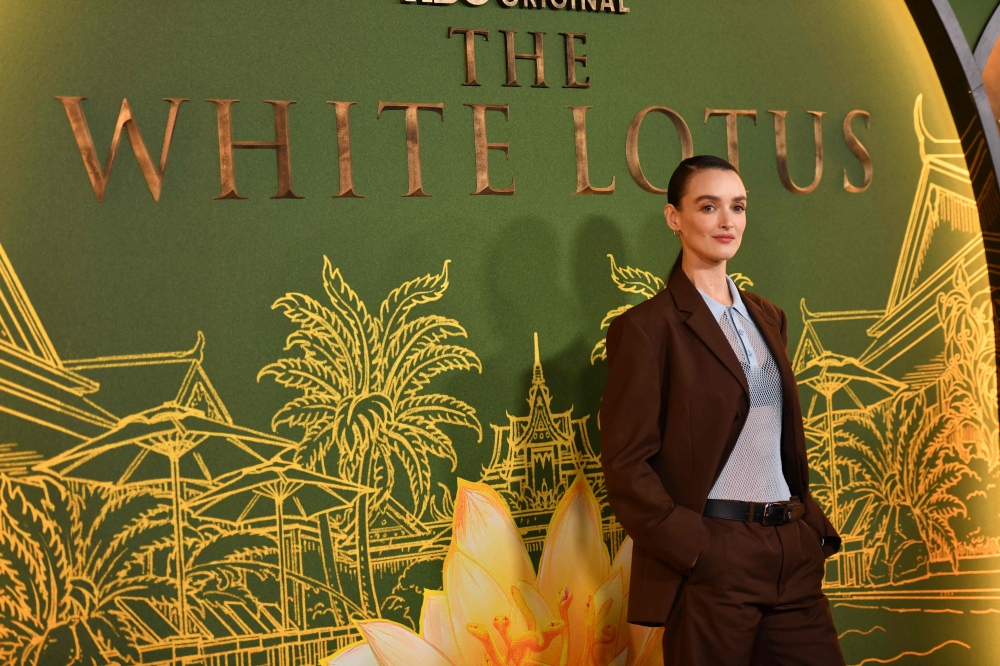





The first half of 2025 saw the return of strike-delayed hit shows, like “Severance,” “The White Lotus” and “The Last of Us,” that took turns dominating the cultural conversation. But only one of them made our top TV list.
Read on to find out which one and to see which other series, new and old, scripted and nonfiction, impressed our television critics the most (listed alphabetically).
‘Andor’
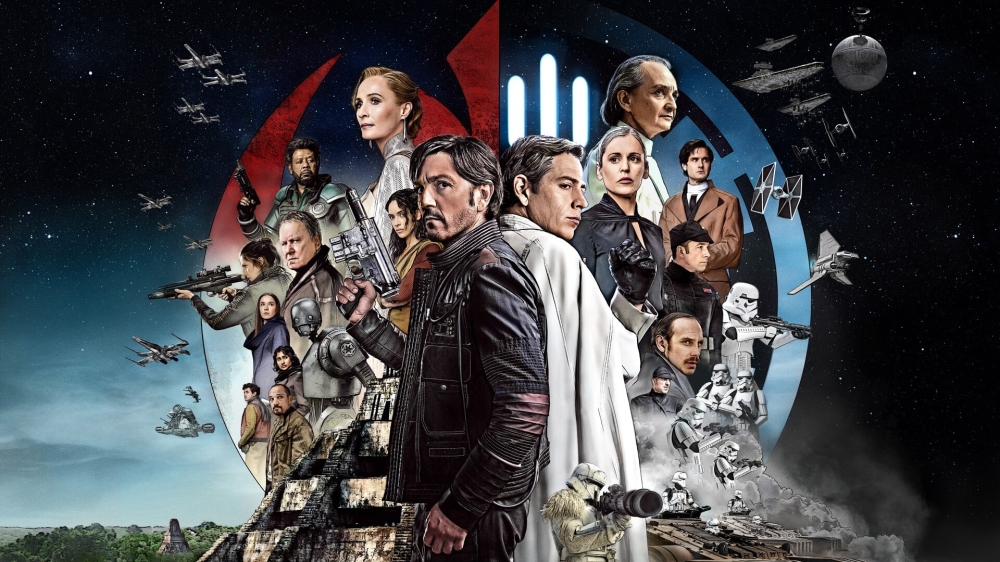
A prequel series to “Rogue One: A Star Wars Story” (2016) — and arguably the most acclaimed “Star Wars” story of any kind since that film — “Andor” offered one of TV’s deepest explorations of the political realities and human costs of rebellion. Its two-season run wrapped up in May.
“Prequels are often where dramatic tension goes to die,” James Poniewozik writes. “How invested can you be in a story whose outcome you already know? The genius of ‘Andor,’ created by Tony Gilroy, is to make that knowledge an asset.”
‘Asura’
Written and directed by Hirokazu Kore-eda (“Shoplifters”), this Japanese period drama is visually sumptuous and emotionally meticulous in its depiction of four sisters grappling with controlling men and their complex relationships with one another.
The series “is the full package: a detailed, human-scale domestic drama with plenty to say, fascinating characters to say it and the stylishness to make it sing,” Margaret Lyons writes. “The downside is that other shows feel paltry and thin in comparison. The upside is everything else.”
‘Exterior Night’
The first television series by great Italian filmmaker Marco Bellocchio, “Exterior Night,” revisits the 1978 kidnapping and killing of politician Aldo Moro by the Red Brigades. (Bellocchio explored those events previously in his 2003 film “Good Morning, Night.”)
“Moro’s abduction and death was a watershed moment in the ‘years of lead,’ when politically motivated bombings, shootings, kidnappings and assassinations convulsed Italy and other European countries,” Mike Hale writes. “But it is a story that can speak to anyone who has a sense of living in perilous times. As a character in ‘Exterior Night’ says, a society can tolerate a certain amount of crazy behavior, but ‘when the crazy party has the majority, we’ll see what happens.’”
‘Murderbot’
In this comic sci-fi thriller, based on the novel “All Systems Red” by Martha Wells, Alexander Skarsgard plays a jaded robot that is charged with protecting a crunchy space commune but would rather just watch pulpy soaps.
“The real killer app of the story, adapted by Chris and Paul Weitz, is the snarky worldview of the artificial life form at its center,” Poniewozik writes. “Skarsgard gives a lively reading to the copious voice-over, but just as important is his physical performance, which radiates casual power and agitated wariness. Murderbot is odd, edgy, unmistakably alien, yet its complaint is also crankily familiar. It just wants to be left in peace to binge its programs, like Chance the Gardener if he had guns in his arms.”
‘The Pitt’
With its “24”-like hour-by-hour structure, “The Pitt” infuses the familiar pleasures of a medical show with fevered intensity and narrative references to the pandemic and contemporary social issues.
“‘The Pitt’ generated old-school melodrama out of a simple understanding: The E.R. is where people end up when something goes wrong, either with the body individual or with the body politic,” Poniewozik writes. “And what is wrong with the American corpus? Buddy, take a number; the waiting room is full.”
‘Severance’
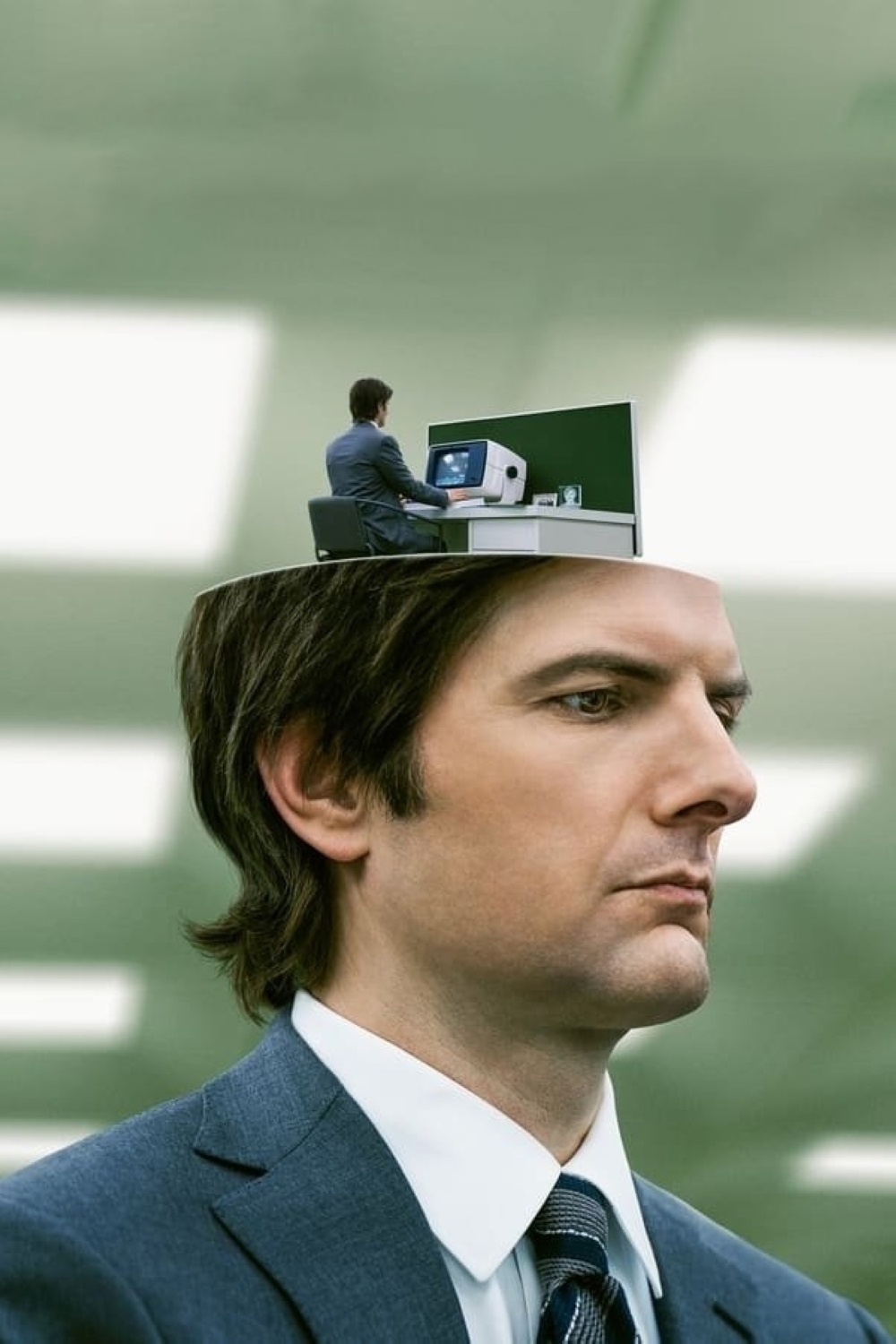
In its second season, this trippy workplace drama deepens its mysteries and expands its emotional palette as the mentally “severed” employees, their loved ones and their bosses battle (sometimes literally) over competing agendas and the future of Lumon Industries. The show finally returned in January, nearly three years after the end of Season 1.
“Its makers seem to have used every second of the absence productively,” Poniewozik writes. “The season takes new turns while remaining the most ambitious, batty and all-out pleasurable show on TV, an M.C. Escher maze whose plot convolutions never get in the way of its voice, heart and sense of humor.” —NYT
Oman Observer is now on the WhatsApp channel. Click here