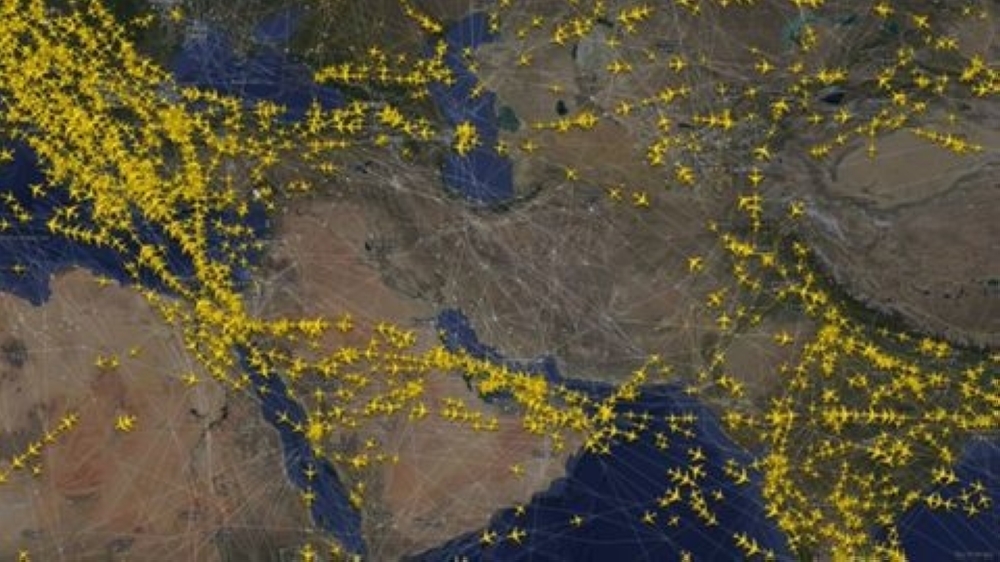





BEIJING:Oil prices surged on Thursday after Israel said it attacked Iranian nuclear sites in Natanz and Arak overnight, as investors grappled with fears of a broader conflict in the Middle East that could disrupt crude supplies.
Brent crude futures rose 88 cents, or 1.15%, to $77.58 a barrel by 0708 GMT, after gaining 0.3% in the previous session when high volatility saw prices fall as much as 2.7%. US West Texas Intermediate crude for July rose $1.11, or 1.48%, to $76.25 a barrel, after settling up 0.4% in the previous session when it dropped as much as 2.4%.
The July contract expires on Friday. The more active August contract rose 92 cents, or 1.25%, to $74.42 a barrel.
There is still a "healthy risk premium baked into the price as traders await to see whether the next stage of the Israel-Iran conflict is a US strike or peace talks," said Tony Sycamore, market analyst at IG.
Goldman Sachs on Wednesday said a geopolitical risk premium of about $10 a barrel is justified, given lower Iranian supply and risk of wider disruption that could push Brent crude above $90.
Trump on Wednesday told reporters that he may or may not decide whether the US will join Israel in its attacks on Iran. The conflict stretched into its seventh day on Thursday.
The risk of major energy disruptions will rise if Iran feels existentially threatened, and US entry into the conflict could trigger direct attacks on tankers and energy infrastructure, said RBC Capital’s analyst Helima Croft.
Iran is the third-largest producer among members of the Organization of the Petroleum Exporting Countries, extracting about 3.3 million barrels per day (bpd) of crude oil. About 19 million bpd of oil and oil products move through the Strait of Hormuz along Iran’s southern coast, and there is widespread concern the fighting could disrupt trade flows.
Separately, the US Federal Reserve kept its interest rates steady on Wednesday but pencilled in two cuts by the end of the year. Chair Jerome Powell said cuts would be "data-dependent." — Reuters
Oman Observer is now on the WhatsApp channel. Click here