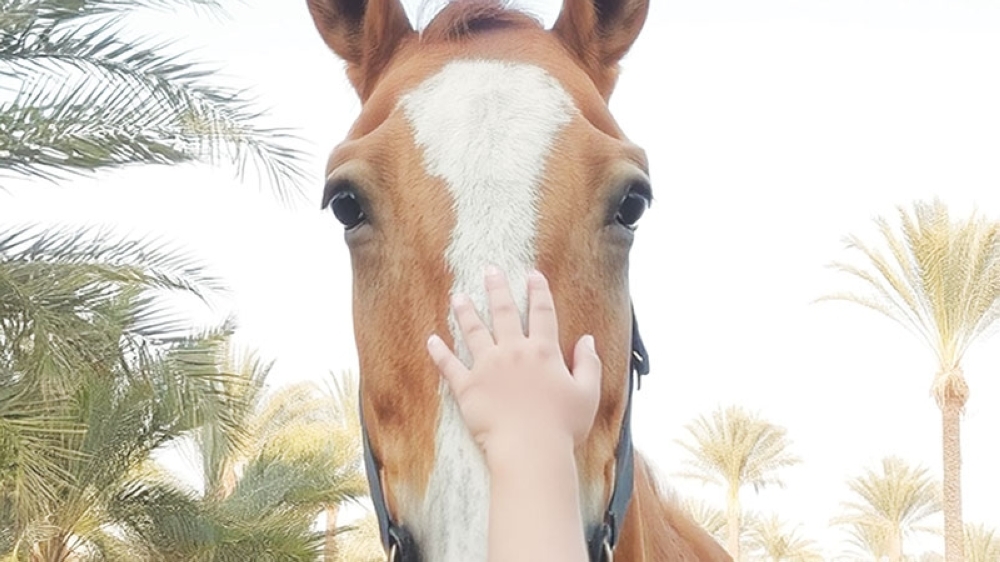





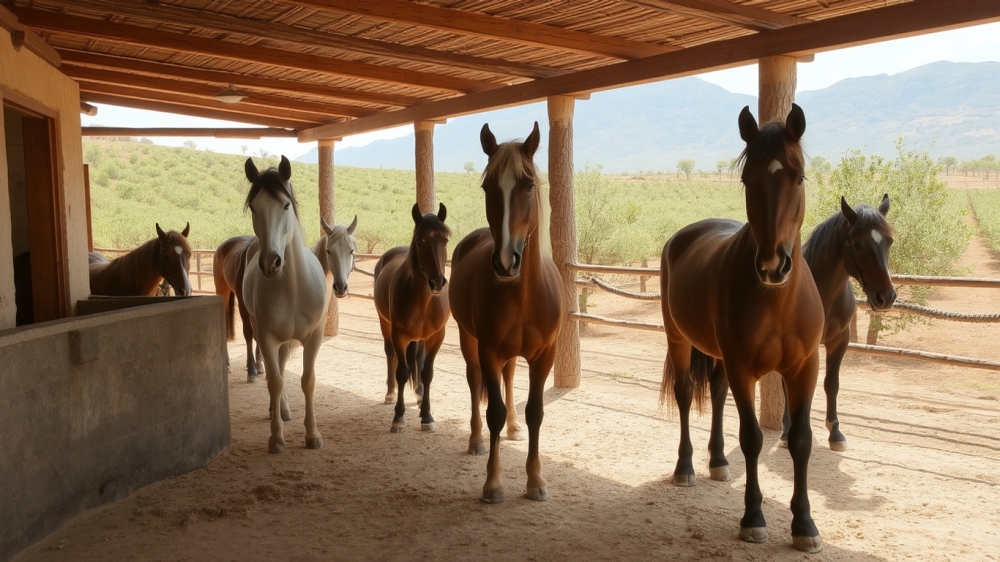
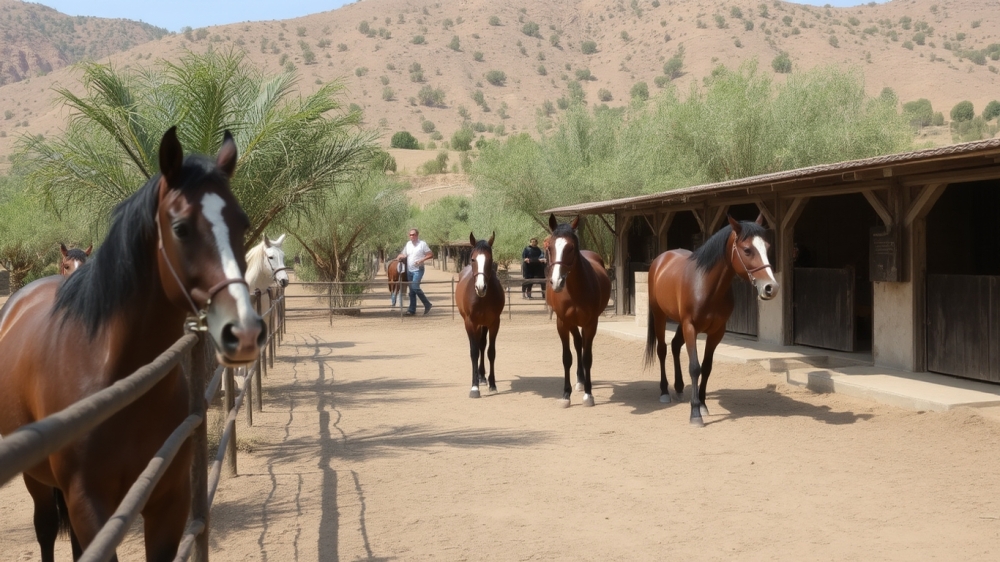
In A’ Seeb, near the coast, there’s a special place called Murabit Al Murasilat, which is actually an equestrian centre. It might look like just another riding school on the outside, but what makes it different is what they do inside. They run a programme that helps children with special needs, especially those with autism, motor difficulties, or anxiety, through horse riding. This is all about giving kids a chance to grow, connect, and learn in a calm, supportive environment.
Over the past month, a psychologist named Hakima Al Balushi has been running this horse therapy programme. She’s a trained psychologist who focuses on behaviour therapy and family support for children with special needs. The idea is simple but powerful: horses can do more than we think when it comes to helping children. They don’t just sit there; they respond to emotions and behaviour in a way that can help kids improve their speech, motor skills, or emotional balance.
Hakima explains that this therapy isn’t just for a certain type of child. It can help many different kids, whether they’re dealing with anxiety, speech delays, or behavioural issues. She says, “There isn’t a case that benefits more than another. The horse helps each child in their own way. Some kids get calmer and more emotional control, while others start talking better or moving more confidently. It’s all about understanding each child’s needs and staying consistent.”
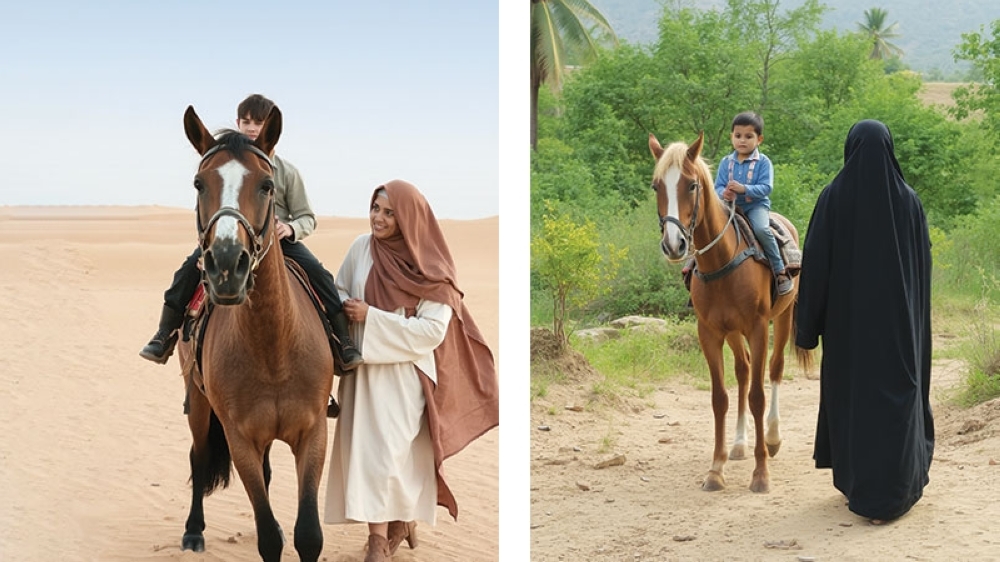
One story Hakima remembers really well is about a boy who hadn’t spoken in seven years. He’d tried speech therapy before, but nothing worked. Then one day, during a riding session, he suddenly said his first word — “Baba,” which means dad. Hakima says the boy’s face lit up. That moment meant everything because it showed how something as simple as riding a horse could unlock abilities that had been hidden for years. From then on, his speech started improving step by step.
The horses used in these sessions are carefully picked. They must be calm, patient, and responsive. They also undergo special training to make sure they’re suitable for working with children who have different needs. The reason for this careful selection is scientific: studies show that horses are really good at picking up on people’s emotions and responding accordingly. This ability can help children feel safe and understood during the sessions.
It’s important to remember that this kind of therapy doesn’t always happen in hospitals or clinics. Sometimes, it’s outdoors, with the open sky above, which makes it feel more relaxed and natural. That’s part of what makes this approach special — it’s not clinical or intimidating, but gentle and reassuring.
Supporting children with autism isn’t easy, especially when you look at the bigger picture. Around the world, autism affects about 1 in 100 children, according to the World Health Organisation. In some parts of the Middle East, including countries like Saudi Arabia, the United Arab Emirates, and Oman, that number is increasing. It’s believed that up to 1% of children in some of these countries are now diagnosed with autism. That’s a lot of children who need understanding, support, and different ways to help them develop.
In Oman, the numbers are still being collected, but it’s clear that autism cases are on the rise. The government and healthcare providers are starting to pay more attention, opening clinics and centres that focus on early help. But there’s still a long way to go. Many families struggle to get proper support or don’t even recognise the signs early enough. That’s why projects like the horse therapy in A’ Seeb are so important. They add new options for children and their families and show that there are different ways to bring about change.
The challenges faced by children with autism aren’t just about communication or learning. They also include social difficulties, sensory issues, and sometimes challenging behaviour. And because of these challenges, families often feel stressed or unsure of how to help their children. In many Middle Eastern countries, society’s view of autism can be confusing or even dismissive. There’s still some stigma, which makes it harder for children and parents to seek support early.
In Oman, things are slowly starting to improve. There’s more awareness now than in previous years. News reports show that local organisations are trying new things — like combining therapies such as art, music, and traditional healing with modern treatments. Some communities even use storytelling and Islamic arts to encourage children’s development, aiming to make therapy more familiar and less intimidating.
Besides traditional methods, Oman is also exploring other new approaches, such as herbal remedies and alternative therapies that blend local culture with science. These efforts aim to help children feel more accepted and supported, especially in rural areas where healthcare resources might be limited or hard to access. The hope is that with more awareness and new ways to help, children with autism everywhere can have a better chance at living full, happy lives.
What’s happening at Murabit Al Murasilat shows that there's hope. It’s about showing that even when the challenges seem big, there are ways to help children thrive. This horse therapy isn’t just about riding horses; it’s about building confidence, reducing anxiety, and encouraging communication in a gentle, natural way.
The project has already made a real difference for many families. Parents who once felt overwhelmed now see their children making progress—maybe saying their first words, showing more interest in playing with others, or simply becoming more relaxed and happy. And for the children themselves, it’s about more than just therapy; it’s about experiencing moments of joy and achievement that can inspire them for the future.
Oman Observer is now on the WhatsApp channel. Click here